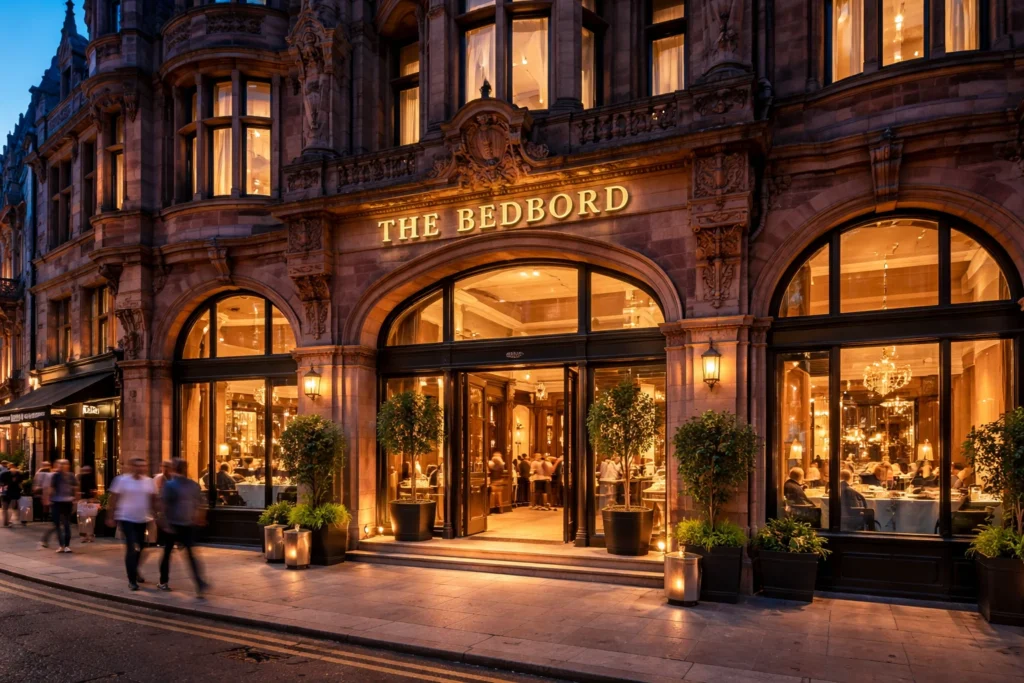
Europe’s hospitality sector is navigating a complex landscape in 2026, with hotel values showing only marginal growth despite strong tourism demand. According to recent industry insights, the continent’s hotel market has experienced a significant slowdown in value appreciation, reflecting the combined effects of inflation, geopolitical tensions, and rising financing costs.
While travel demand remains robust across key destinations such as Paris, London, and Rome, the broader economic environment is creating challenges for investors and hotel owners. This contrast between operational strength and financial constraints highlights the evolving dynamics of Europe’s tourism industry.
Strong Travel Demand Supports Hotel Performance
Tourism demand across Europe continues to recover strongly, with many cities reporting occupancy levels that exceed pre-pandemic benchmarks. Leisure travel remains the primary driver of this growth, as travelers seek cultural experiences, historic destinations, and seasonal events.
In addition to leisure tourism, business travel and corporate events are gradually returning, contributing to steady occupancy rates in urban centers. Conferences, exhibitions, and international meetings are once again filling hotel rooms, providing a reliable source of revenue for operators.
This combination of leisure and corporate travel has helped maintain healthy room rates across the region, particularly in popular destinations known for their global appeal.
Inflation and Financing Costs Limit Value Growth
Despite strong operational performance, hotel values have increased only slightly, reflecting the impact of economic pressures. Rising inflation has led to higher operational costs, including energy, labor, and maintenance expenses, which are affecting profitability.
At the same time, increased interest rates have made financing more expensive, reducing the attractiveness of new investments. For many investors, the cost of borrowing has become a critical factor in decision-making, leading to more cautious approaches to acquisitions and development.
This shift marks a departure from previous years when low borrowing costs supported rapid growth in asset values. Today, financial considerations play a much larger role in shaping the market.
Geopolitical Uncertainty Adds to Market Complexity
Geopolitical factors continue to influence the European hospitality sector, creating an environment of uncertainty. Ongoing conflicts, political transitions, and economic fluctuations across the region are affecting investor confidence and long-term planning.
While these challenges have not significantly reduced travel demand, they have contributed to a more cautious investment climate. Investors are increasingly focusing on risk management and stability, prioritizing markets with strong fundamentals and reliable performance.
This cautious approach is reflected in the slower pace of hotel value growth, as stakeholders navigate an unpredictable global landscape.
Luxury Segment Remains Resilient
One area of the market that continues to perform well is the luxury hotel segment. High-end properties in major cities and resort destinations are benefiting from strong demand among affluent travelers.
International visitors, particularly from long-haul markets, are driving this trend, seeking premium experiences and high-quality accommodations. As a result, luxury hotels have been able to maintain higher room rates and occupancy levels compared to other segments.
This resilience highlights the importance of targeting specific market segments that can withstand economic pressures and deliver consistent returns.
Regional Variations Across Europe
The impact of economic and geopolitical factors varies across different parts of Europe. Major tourism hubs such as Barcelona and Amsterdam continue to attract strong visitor numbers, supporting hotel performance.
In contrast, smaller markets and emerging destinations may face greater challenges due to limited infrastructure and lower levels of international exposure. These variations underscore the importance of location in determining hotel performance and investment potential.
Investors are increasingly focusing on prime destinations with established tourism industries, where demand is more predictable and resilient.
Corporate Travel and Events Provide Stability
The gradual return of corporate travel is playing a key role in stabilizing the hotel market. Business events, conferences, and exhibitions are once again contributing to occupancy levels, particularly in major cities.
This segment provides a steady stream of bookings that complement leisure travel, helping hotels maintain consistent revenue throughout the year. The recovery of this sector is expected to continue, supporting the overall growth of the hospitality industry.
Adapting to a Changing Market Environment
Hotel operators and investors are adapting to the evolving market by focusing on efficiency and innovation. Cost management has become a priority, with many properties implementing strategies to reduce expenses and improve profitability.
At the same time, technology is playing an increasingly important role in enhancing operations and guest experiences. From digital booking platforms to data-driven pricing strategies, hotels are leveraging innovation to remain competitive.
Sustainability is also becoming a key focus, as travelers and investors alike prioritize environmentally responsible practices.
Long-Term Outlook for European Hospitality
Despite current challenges, the long-term outlook for Europe’s hotel market remains positive. The region’s rich cultural heritage, diverse destinations, and strong global appeal continue to attract millions of visitors each year.
Infrastructure improvements, ongoing tourism promotion, and the return of international travel are expected to support future growth. While short-term value increases may remain modest, the underlying fundamentals of the market remain strong.
As economic conditions stabilize, the hospitality sector is likely to regain momentum, offering new opportunities for investment and development.
Conclusion
The European hotel market in 2026 reflects a balance between resilience and caution. Strong travel demand is driving occupancy and revenue, while economic pressures and geopolitical uncertainty are limiting value growth.
For investors and operators, navigating this environment requires a strategic approach that prioritizes efficiency, adaptability, and long-term planning. As the industry continues to evolve, Europe remains a key destination for global tourism, offering enduring opportunities despite current challenges.