Frasers Hospitality has announced an ambitious expansion plan across Asia, with 18 new serviced and hotel residences set to open by 2028. The move highlights the rising demand for extended-stay accommodation and reflects broader shifts in travel behaviour across the region.
The expansion will span multiple key markets, including Thailand, Malaysia, Indonesia, Vietnam, China, and Japan. These destinations have been identified by tourism authorities as high-growth markets driven by increased mobility, urban development, and evolving traveler preferences.
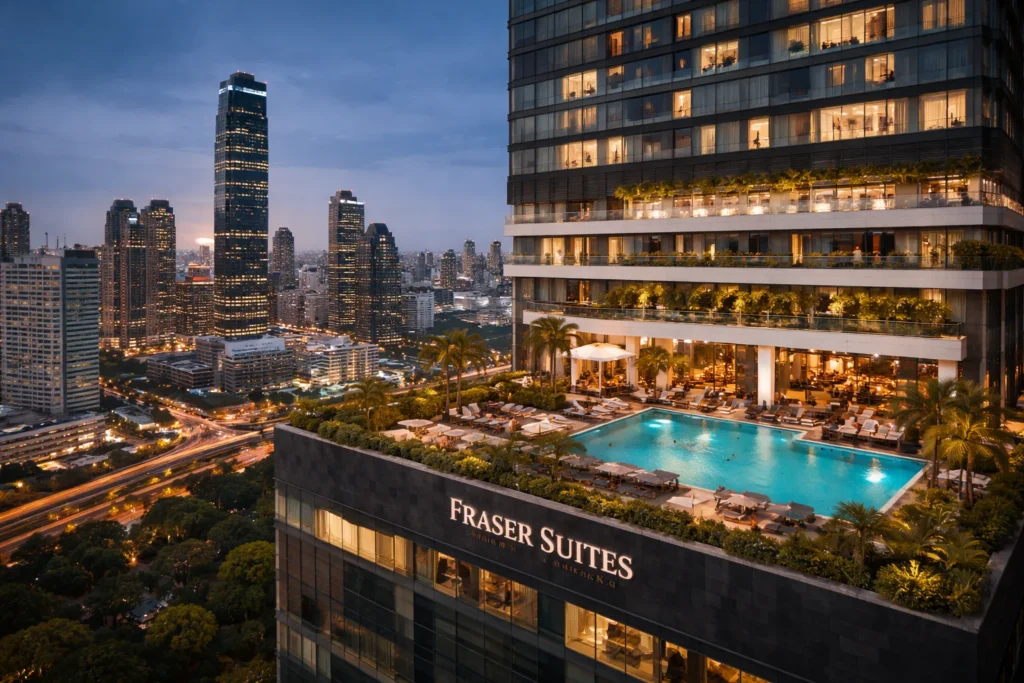
A key highlight of the expansion is the upcoming flagship Fraser Suites Bangkok, scheduled to open in late 2026 in Bangkok. Positioned within a major mixed-use development in the city’s central business district, the property will feature over 250 residences designed for long-stay guests. Bangkok continues to be one of Asia’s leading tourism hubs, supported by strong international arrivals and government-led tourism initiatives.
Tourism boards across Asia have noted a steady increase in demand for serviced residences, particularly among business travelers, digital nomads, and long-term visitors. This trend is closely linked to the rise of flexible work arrangements and blended travel, where individuals combine work and leisure during extended stays.
Frasers Hospitality’s expansion strategy focuses on catering to this segment by offering accommodation that combines hotel-style services with the comfort of residential living. Features such as fully equipped kitchens, flexible layouts, and wellness facilities are designed to meet the needs of modern travelers seeking longer stays.
In Southeast Asia, the company is strengthening its footprint with new properties in Malaysia and Vietnam. Developments in Penang and Putrajaya will provide a mix of serviced apartments and lifestyle-focused accommodation. Penang, known for its UNESCO-listed heritage areas, remains a key destination promoted by Malaysia’s tourism authorities for cultural and culinary tourism.
In Vietnam, a new residence in Hanoi is expected to open by the end of 2026, offering hundreds of units within a mixed-use urban development. Hanoi’s tourism sector has been growing steadily, supported by its historical attractions and expanding infrastructure.
The expansion also includes new developments in China, where the company is entering the premium rental apartment segment. Properties in Chengdu and Dalian will cater to young professionals and long-term residents, reflecting the increasing demand for flexible urban living solutions.
In addition to major cities, Frasers Hospitality is exploring opportunities in culturally significant destinations such as Wuzhen. Known for its historic water town setting, Wuzhen is promoted by tourism authorities as a heritage destination, attracting visitors interested in traditional architecture and cultural experiences. The planned serviced residence will offer a unique blend of modern living and historic surroundings.
Japan is another key market in the expansion plan, with a new property set to open in Tokyo. The development in Roppongi, a well-known business and cultural district, will provide serviced apartments designed for both business and leisure travelers. Japan’s tourism sector continues to benefit from strong international demand and government initiatives aimed at promoting regional tourism.
The growth of serviced residences reflects changing travel patterns across Asia. Official tourism data indicates that travelers are increasingly opting for longer stays, particularly in urban destinations that offer a mix of work, leisure, and cultural experiences. This trend is expected to continue as remote work and flexible lifestyles become more common.
Frasers Hospitality’s approach emphasises operational resilience and adaptability. By focusing on extended-stay formats, the company aims to create properties that can perform consistently across different market conditions. This strategy aligns with industry insights that highlight the stability of long-stay accommodation compared to traditional short-term hotel stays.
The expansion also contributes to the development of tourism infrastructure in key markets. New properties create employment opportunities, support local economies, and enhance the overall visitor experience. Governments across Asia have prioritised such developments as part of broader tourism growth strategies.
Wellness and lifestyle amenities are a central component of the new properties. Facilities such as fitness centres, communal spaces, and curated experiences are designed to enhance guest satisfaction and encourage longer stays. These features align with the growing importance of wellness tourism, which has been identified as a key trend by tourism authorities.
The integration of serviced residences within mixed-use developments further enhances their appeal. By combining residential, retail, and commercial spaces, these developments create vibrant urban environments that cater to diverse needs. This approach supports sustainable urban growth and improves accessibility for residents and visitors alike.
Frasers Hospitality’s expansion reflects confidence in Asia’s long-term tourism potential. The region continues to be one of the fastest-growing travel markets globally, driven by rising incomes, urbanisation, and increased connectivity. Investments in accommodation infrastructure are essential to support this growth and meet evolving traveler expectations.
Looking ahead, the focus on extended-stay accommodation is expected to shape the future of hospitality in Asia. As travelers seek more flexible and personalised experiences, serviced residences offer a compelling alternative to traditional hotels.
The Frasers Hospitality Asia expansion underscores the importance of innovation and adaptability in the tourism industry. By responding to changing travel patterns and investing in high-growth markets, the company is positioning itself to play a key role in the region’s evolving hospitality landscape.
For travelers, the upcoming openings provide new opportunities to experience Asia’s diverse destinations with greater comfort and flexibility. As the industry continues to evolve, developments like these highlight the growing importance of long-stay tourism in shaping the future of travel.