








Global travel has entered a powerful growth phase with record-breaking numbers. International tourist arrivals reached over 1.5 billion in 2025. This surge surpassed pre-pandemic levels and marked a new era for global tourism.
Travel demand has increased across all major regions. Tourists now travel more frequently and spend more during each trip. This trend reflects strong consumer confidence and rising interest in global exploration.
The tourism industry has also shifted rapidly toward digital platforms. Travelers now rely on online systems to plan and manage their trips. This transformation has reshaped how tourism services operate worldwide.
Tourism Becomes a Multi-Trillion-Dollar Economic Force
Tourism now plays a major role in global economic activity. International tourism revenues have reached over two trillion dollars. This growth highlights the sector’s importance in global trade and employment.
Europe continues to lead as the most visited region. Millions of tourists visit its cities, beaches, and cultural attractions each year. The region maintains strong appeal due to its diverse offerings.
Other regions have gained momentum and expanded their tourism presence. Africa has recorded strong growth, driven by rising interest in new destinations. The Middle East has also emerged as a major tourism hub.
These shifts show a broader distribution of tourism activity. Travelers now explore a wider range of destinations than before.
Hotel Demand Surges Alongside Rising Travel Activity
The hotel industry has experienced strong growth due to increased travel demand. Occupancy rates have reached high levels across many destinations. Hotels now face pressure to deliver better services and experiences.
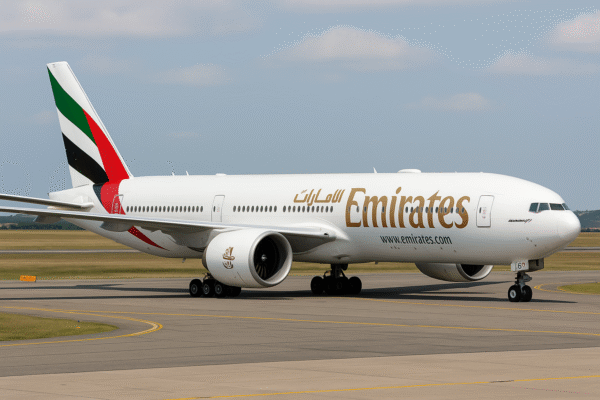
Air travel has also supported this expansion. Increased flight capacity has brought more travelers into global markets. Airlines have expanded routes to meet rising demand.
Countries like Spain have seen strong growth in hotel stays. The demand for premium accommodation has increased significantly. Travelers now prefer higher-quality hotels and upgraded experiences.
This trend has encouraged investment in luxury and mid-range properties. Governments and businesses see quality accommodation as a key driver of tourism growth.
Digital Platforms Redefine Travel Booking Experiences
Digital technology now drives the modern travel industry. Online platforms have become essential for booking hotels and planning trips. Travelers compare prices, read reviews, and confirm bookings within minutes.
These platforms also help travelers discover new destinations. Personalized recommendations guide users toward suitable options. This convenience improves the overall travel experience.
Small tourism businesses must adapt to this digital shift. Many rely on online tools to reach global audiences. Without digital presence, businesses struggle to compete in today’s market.
However, challenges remain for smaller operators. Many still lack access to advanced digital tools and skills. This gap creates pressure to upgrade technology and improve capabilities.
Governments Promote Smart Tourism and Innovation
Governments have started to adopt smart tourism strategies. These plans connect transport, hotels, and attractions through digital systems. The goal is to improve efficiency and visitor satisfaction.
Authorities also focus on fair competition within the digital marketplace. They aim to regulate online platforms and protect consumer rights. This balance ensures sustainable industry growth.
Training programs support small businesses in adopting new technologies. Governments provide funding and resources to encourage innovation. These efforts help businesses remain competitive.
Policy makers also use data to improve tourism management. Digital tools allow real-time monitoring of visitor trends and behaviors. This insight helps create better tourism strategies.
Sustainability Challenges Shape Future Tourism Plans
The rapid growth of tourism has created new challenges. Popular destinations face issues like overcrowding and environmental stress. Governments must manage these risks carefully.
Authorities now use data to control visitor flow. They promote lesser-known destinations to reduce pressure on major sites. This approach spreads tourism benefits more evenly.
Sustainability has become a central focus in tourism planning. Destinations aim to protect natural and cultural resources. Responsible tourism practices now guide industry development.
Travelers also show greater awareness of environmental impact. Many prefer destinations that support sustainable practices. This shift influences future tourism trends.
Emerging Regions Gain Strength in Global Tourism
New regions have started to attract more international visitors. Africa has recorded strong growth due to increased investment and promotion. The Middle East has also expanded rapidly through infrastructure development.
Asia continues its recovery with steady growth in arrivals. Countries in this region have regained momentum after earlier disruptions. South Asia has returned to strong tourism levels.
The Americas have shown moderate growth with rising interest in cultural and nature tourism. Central and South America have gained popularity among global travelers.
These changes highlight a more balanced global tourism landscape. Travelers now have more options and diverse experiences.
Digital Innovation Shapes the Future of Travel
The future of tourism will rely heavily on digital innovation. Travelers expect fast, seamless, and personalized booking experiences. Technology will continue to improve convenience and efficiency.
Major global events will also drive tourism growth. International competitions and cultural events attract millions of visitors. These events create opportunities for destinations to showcase their offerings.
Tourism growth is expected to continue in the coming years. Increased connectivity and digital tools will support this expansion. The industry will evolve with changing traveler expectations.
A New Era of Travel and Tourism
The global tourism industry has entered a new phase of growth and transformation. Record travel numbers and digital advancements have reshaped the sector. Travelers now enjoy greater access, choice, and convenience.
Destinations and businesses must adapt to this evolving landscape. Investment in technology and quality services will define future success. The balance between growth and sustainability will remain crucial.
This new era offers exciting opportunities for travelers and industry players alike. The world has become more connected, and tourism continues to thrive in this dynamic environment.
For more travel news like this, keep reading Global Travel Wire