The upcoming Good Friday long weekend is driving a significant increase in travel bookings and hotel demand across India, reinforcing the growing importance of short leisure breaks in the country’s tourism landscape. As travelers seek quick escapes before the peak summer season, destinations across the country are witnessing a noticeable rise in interest and occupancy levels.
Tourism authorities have consistently highlighted the role of extended weekends in stimulating domestic travel. The Good Friday holiday period, combined with evolving traveler preferences, is now emerging as a key window for short getaways. This trend reflects a broader shift toward experience-driven travel, where individuals prioritise meaningful journeys over long, infrequent vacations.
Major metropolitan cities such as Mumbai and Bengaluru continue to serve as primary departure hubs, with travelers opting for nearby destinations that offer convenience and accessibility. Popular choices include spiritual, cultural, and nature-focused locations such as Rishikesh, Varanasi, and Ooty, all of which are seeing strong demand.
Government tourism data and regional tourism boards have observed increased interest in heritage cities as well. Destinations like Jaipur and Udaipur continue to attract travelers seeking cultural experiences, historic architecture, and luxury stays. These cities play a key role in India’s tourism offerings, combining heritage with modern hospitality infrastructure.
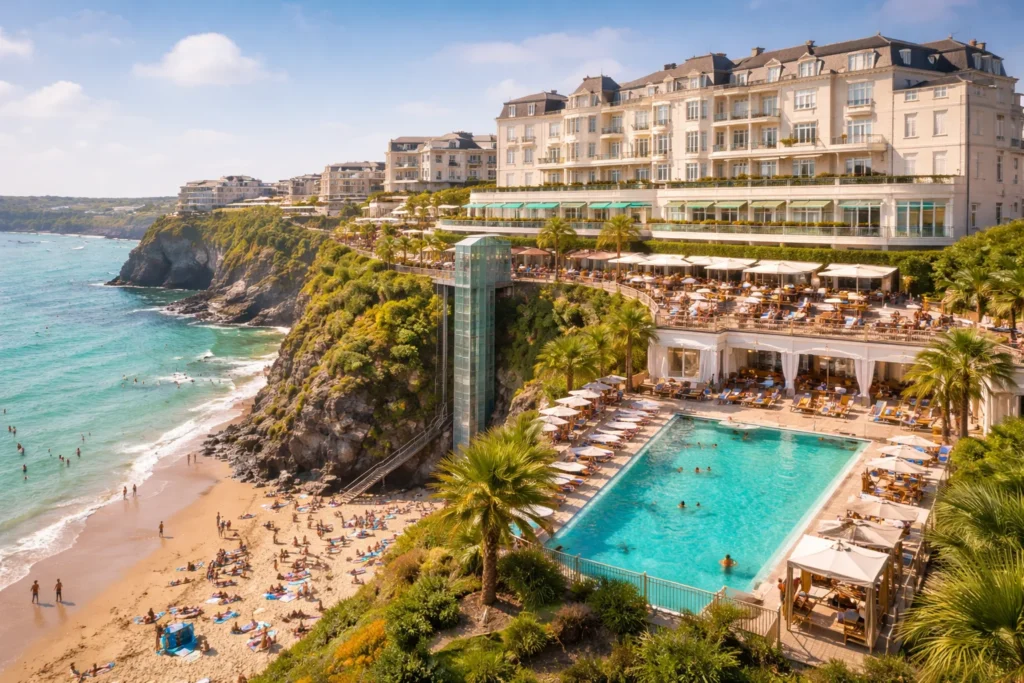
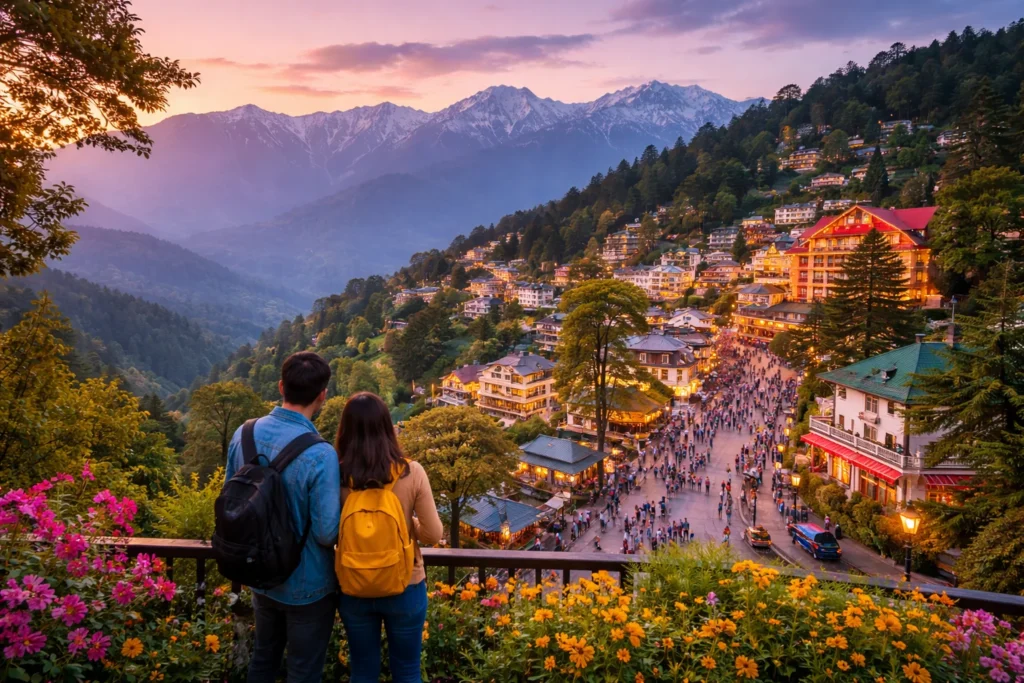
Seasonal factors are also influencing travel decisions. As temperatures rise in many parts of the country, travelers are gravitating toward cooler destinations. Hill stations such as Mussoorie, Munnar, Kodaikanal, and coastal retreats like Varkala are experiencing increased demand. These destinations offer a combination of natural beauty and climate comfort, making them ideal for short breaks.
The surge in travel demand is having a direct impact on the hospitality sector. Hotels and resorts across popular destinations are reporting higher occupancy rates, with many properties nearing full capacity during the long weekend. This trend is supported by official tourism insights that highlight the growing role of domestic travel in driving the industry’s recovery and growth.
Increased demand has also led to a rise in room rates. Dynamic pricing strategies adopted by hotels allow them to adjust rates based on demand, resulting in higher average daily rates during peak travel periods. This reflects the strong willingness among travelers to spend on quality experiences, particularly during short vacations.
Luxury accommodations and villa rentals are also benefiting from the surge. Destinations within driving distance of major cities, such as Lonavala, Alibaug, Goa, and Coorg, are witnessing particularly high demand. These locations offer privacy, space, and flexibility, making them popular among families and groups.
Travel behavior is also evolving, with shorter planning cycles becoming more common. Industry observations indicate that travelers are booking trips closer to their travel dates, often within one to two weeks. This shift reflects greater spontaneity and flexibility, supported by digital booking platforms and improved access to travel information.
The rise of experiential travel is another key factor driving demand. Travelers are increasingly seeking purposeful journeys that focus on relaxation, wellness, and cultural immersion. This has led to growing interest in nature retreats, spiritual destinations, and wellness-focused stays, which align with broader tourism trends promoted by state and national tourism bodies.
Transportation patterns also highlight changing preferences. Short-haul flights and intercity road trips are becoming more popular, enabling travelers to maximise their time at destinations. Routes connecting major cities to nearby tourist hubs are witnessing increased traffic, reflecting the demand for convenient and efficient travel options.
The Good Friday weekend surge is also contributing to regional tourism development. By spreading demand across a variety of destinations, it helps reduce pressure on traditional hotspots while promoting lesser-known locations. This aligns with sustainable tourism goals aimed at balancing visitor distribution and preserving local environments.
For the hospitality industry, the surge provides an opportunity to enhance service offerings and attract repeat visitors. Hotels and resorts are focusing on curated experiences, personalised services, and unique activities to differentiate themselves in a competitive market. These efforts contribute to improving overall visitor satisfaction and strengthening destination appeal.
Tourism authorities continue to encourage domestic travel through campaigns and initiatives that highlight diverse destinations and experiences. The growing popularity of long weekend travel supports these efforts, driving economic activity and supporting local communities.
Looking ahead, the trend of short, high-frequency trips is expected to continue shaping India’s tourism landscape. As travelers seek more flexible and experience-driven journeys, long weekends like Good Friday will play an increasingly important role in driving travel demand.
The Good Friday weekend travel surge demonstrates the resilience and adaptability of the tourism sector. By responding to changing traveler preferences and leveraging opportunities created by extended holidays, the industry continues to evolve and grow.
For travelers, this period offers the chance to explore new destinations, enjoy meaningful experiences, and make the most of limited time. As demand continues to rise, the importance of planning ahead and securing bookings early becomes essential to ensure a smooth and enjoyable travel experience.