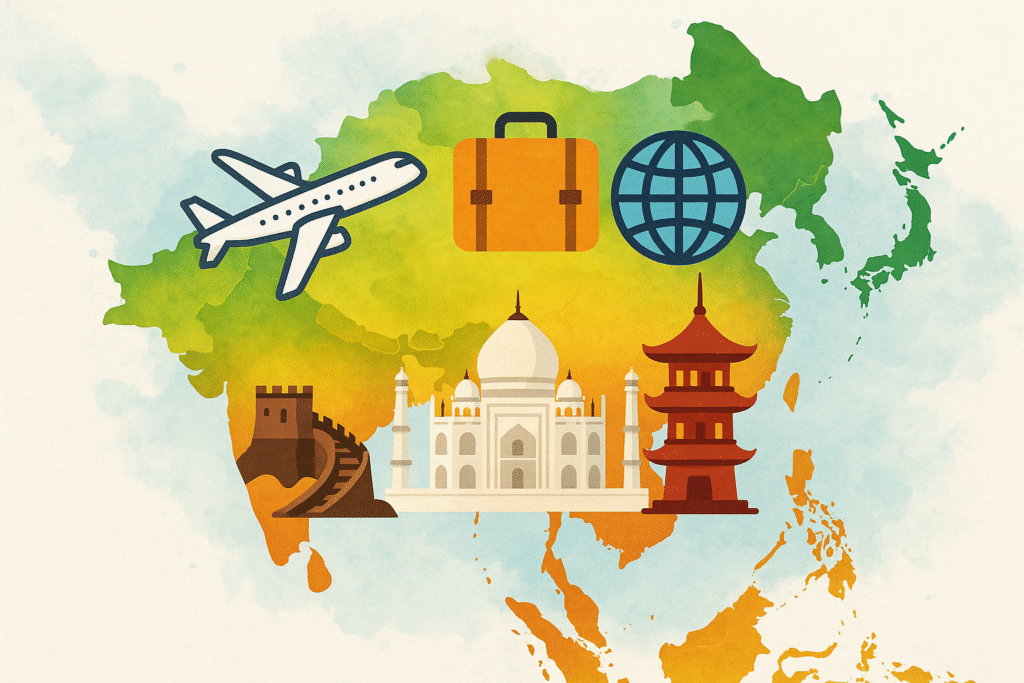
Travel trends keep shifting as global tourism grows and travellers look for fresh experiences. Hilton now directs its strongest Asia strategy toward China, Japan and India. This change reflects the company’s long-term belief in these three major destinations. Each market offers unique strengths, and Hilton now aligns its development plan to capture rising demand in each region.
The company calls Asia a core pillar of its overall growth. However, the balance inside that region continues to change as travellers adjust their habits and governments expand tourism infrastructure. Hilton now highlights India as a major future engine, Japan as a strong performer and China as a huge yet complex market that still offers broad potential.
Japan Shows Strong Tourism Growth
Japan grows more appealing every year. The country attracts travellers who want vibrant cities, deep culture and smooth transport. Hilton recognises Japan’s strong demand, so the company increases its luxury and lifestyle pipeline there. New hotel openings appear across major cities as domestic business travel grows again.
Many travellers choose Japan for its mix of tradition and modern comfort. Cities like Tokyo and Osaka deliver food, culture and fast access to transport networks. Tourism leaders in Japan continue to improve attractions, safety standards and public services. These efforts create a strong environment for hotel development, so Hilton strengthens its investment there.
Moreover, Japan’s consistent tourism recovery supports long-term confidence. Hilton plans more high-end hotels to meet luxury demand from visitors who return often. This focus signals a clear belief in Japan’s ability to support rising travel numbers.
India Becomes a Powerful Tourism Frontier
India rises as Hilton’s most ambitious Asia priority. The company signed a major licensing agreement to open many new mid-scale hotels across key states. This move strengthens Hilton’s presence in a country where domestic travel grows every year.
India experiences a huge jump in middle-class travel. More families take weekend trips. More young travellers explore new cities. Government tourism campaigns also encourage discovery of heritage and nature sites. These factors create strong demand for reliable mid-range hotels. Hilton sees this trend clearly, so the company prepares for large-scale expansion.
New highways, airports and rail corridors improve movement across the country. States support tourism investment through clear rules and better infrastructure. Travellers benefit from more choice and better value. As more hotels open in India, people can explore smaller cities with greater comfort and confidence.
India’s long-term potential stands out. The country’s tourism story moves from niche to mainstream. Hilton wants to shape that story with steady growth, strong service standards and wide geographic reach.
China Offers Huge Scale and Growing Complexity
China remains essential to Hilton’s Asia plans. The country delivers hotel numbers that few markets can match. Major cities expand quickly, and travellers from inside China create constant demand. Hilton continues to grow across multiple brands, especially in the luxury and lifestyle categories.
However, China’s market now shows greater complexity. Travellers change their preferences faster. Competition increases as many local hotel brands upgrade their offerings. Regulations evolve as the travel sector modernises. Hilton adjusts its strategy to match these shifts, so the company balances expansion with selective investment.
Even with new challenges, China offers unmatched scale. Travellers enjoy a vast mix of natural, cultural and urban experiences. Cities like Shanghai, Beijing, Chengdu and Shenzhen attract both business and leisure travellers. Hilton aims to serve these travellers with stronger brand presence and refined service quality.
Destinations Feel the Impact of Hilton’s New Moves
Hilton’s Asia strategy influences many destinations. Japan gains new high-end hotels that support global visitors. India prepares for a wave of mid-scale openings that help travellers reach new regions. China sees continuous upgrades across major cities as competition pushes service standards higher.
Travellers benefit from these shifts. They gain more choice in each country. They enjoy better value in markets that add hotels quickly. They also gain smoother experiences as countries improve transport links and tourism facilities.
These changes influence travel patterns. More travellers choose Japan for business and short cultural breaks. India attracts families, adventure seekers and heritage lovers who want variety and affordability. China draws travellers who seek modern cities, rich history and advanced infrastructure.
What This Means for Travellers Everywhere
People travel because they seek connection, discovery and comfort. Hilton now shapes its Asia presence around those desires. The company prepares for stronger demand across the region. As these markets grow, travellers gain richer choices and more reliable hospitality options.
India brings new energy. Japan brings stability and culture. China brings scale and familiarity. Together, these three destinations shape the future of travel in Asia. Hilton’s new direction shows clear confidence in that future.
Travellers now stand at the centre of this growth story. They gain access to new hotels, smarter services and improved experiences. Each trip becomes easier, smoother and more rewarding.
For more travel news like this, keep reading Global Travel Wire