Ireland’s hospitality industry continues to demonstrate resilience as Ireland tourism remains a key driver of economic activity, supported by strong domestic travel demand and steady hotel performance. Despite a slight decline in inbound visitor numbers, official tourism statistics and government data indicate that the sector has maintained stability through high occupancy rates, strategic investment, and consistent domestic engagement.
According to national tourism figures, Ireland welcomed more than 6.4 million international visitors in 2025. While this represented a modest decline compared to the previous year, the overall tourism economy remained robust, with visitors contributing billions in spending. Government tourism authorities have highlighted that domestic travel has played a crucial role in offsetting the impact of reduced international arrivals, ensuring continued demand for accommodation and services.
Dublin, as the country’s primary tourism and business hub, recorded particularly strong performance. Official data shows that hotel occupancy in the capital reached 84%, reflecting sustained demand throughout the year. The city centre also experienced growth in average room rates, contributing to increased revenue for hospitality operators. Tourism officials attribute this success to a combination of leisure travel, corporate activity, and major events that attracted both domestic and international audiences.
High-profile events have been a significant factor in driving tourism to Dublin. Government-backed cultural and sporting events, including major finals and international fixtures, have boosted visitor numbers and supported hotel occupancy during peak periods. These events not only enhance the city’s global profile but also contribute to local economic activity by attracting large crowds.
Regional destinations across Ireland have also shown stable performance, highlighting the importance of balanced tourism development. Cities such as Cork, Galway, and Limerick reported consistent occupancy levels, with notable increases in room rates. Tourism authorities emphasise that regional growth is essential for distributing visitor traffic more evenly and promoting sustainable tourism practices.
In Cork, steady occupancy combined with rising room rates reflects ongoing demand from both leisure and business travellers. Galway, known for its cultural festivals and coastal attractions, has continued to attract visitors seeking unique experiences. Limerick’s strong performance further demonstrates the appeal of regional cities, supported by improved infrastructure and targeted tourism initiatives.
The resilience of Ireland’s hotel sector is also evident in the level of investment activity. Official economic data indicates that hotel transactions reached significant levels in 2025, with numerous properties changing ownership. This reflects strong investor confidence in the long-term potential of Ireland tourism and the hospitality market.
Government agencies have highlighted that continued investment in hotel infrastructure is vital for maintaining competitiveness in the global tourism market. Upgrades to guest rooms, dining facilities, and public spaces are being prioritised, ensuring that accommodation standards meet evolving traveller expectations. Sustainability initiatives are also becoming a key focus, aligning with national policies aimed at reducing environmental impact.
Despite the overall positive performance, tourism authorities acknowledge that challenges remain. The slight decline in inbound tourism and reduced visitor spending indicate the need for ongoing efforts to attract international travellers. Factors such as global economic conditions and changing travel patterns continue to influence demand, requiring adaptive strategies from both government and industry stakeholders.
However, the outlook for 2026 remains cautiously optimistic. A significant proportion of hotel operators expect improved trading conditions, supported by forward bookings and continued domestic travel. Tourism boards are actively promoting Ireland as a destination, focusing on its cultural heritage, natural landscapes, and vibrant cities to attract a diverse range of visitors.
Dublin’s hotel development pipeline remains active, with several projects progressing through planning and approval stages. These include new builds, expansions, and refurbishment initiatives aimed at increasing capacity and enhancing service quality. Local authorities are working closely with developers to ensure that growth aligns with urban planning and sustainability goals.
At the policy level, discussions around the introduction of a tourist accommodation levy are ongoing. While no final decision has been made, government bodies are evaluating the potential impact on both the tourism sector and local communities. Such measures are part of broader efforts to manage tourism growth and ensure long-term sustainability.
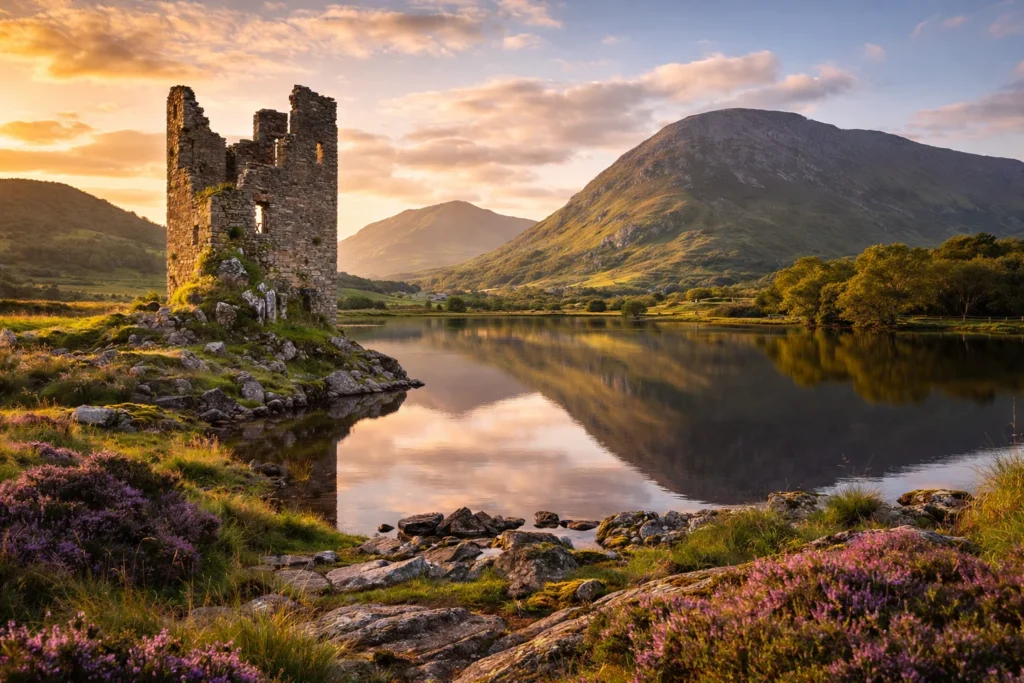
Ireland’s position within the European tourism market remains strong, supported by its reputation as a welcoming and culturally rich destination. The country continues to benefit from its accessibility, diverse attractions, and high standards of hospitality. These factors contribute to its appeal among both domestic and international travellers.
The role of domestic tourism has become increasingly গুরুত্বপূর্ণ in maintaining stability within the sector. Government campaigns encouraging residents to explore local destinations have successfully boosted travel within the country. This trend not only supports the hospitality industry but also promotes regional development and cultural appreciation.
As Ireland tourism evolves, the focus on quality, sustainability, and innovation will be essential for continued growth. Investments in infrastructure, combined with strategic marketing and policy support, are expected to strengthen the sector’s resilience in the face of global challenges.
For travellers, the current landscape offers a wide range of accommodation options, from city hotels to regional retreats. Enhanced facilities, improved service standards, and a commitment to sustainability ensure that visitors can enjoy a high-quality experience across the country.
The Irish hotel sector’s ability to adapt and thrive under changing conditions highlights the strength of its tourism industry. With continued support from government initiatives and private investment, Ireland is well-positioned to maintain its status as a leading destination in Europe.
As the sector moves forward, the combination of strong domestic demand, strategic investment, and a focus on sustainability will play a key role in shaping the future of Ireland tourism.