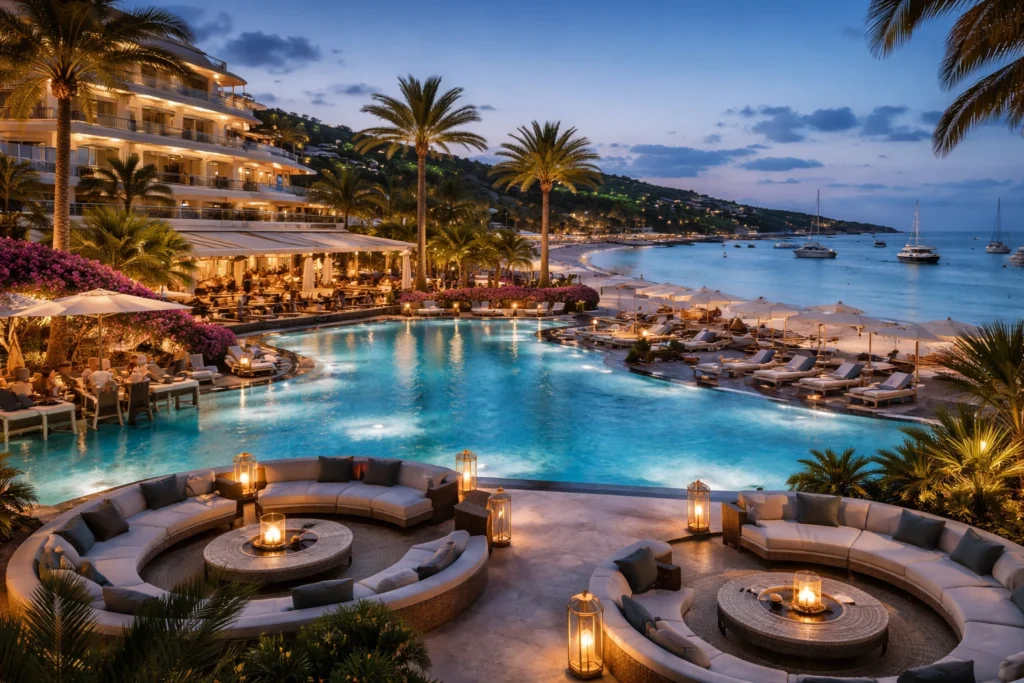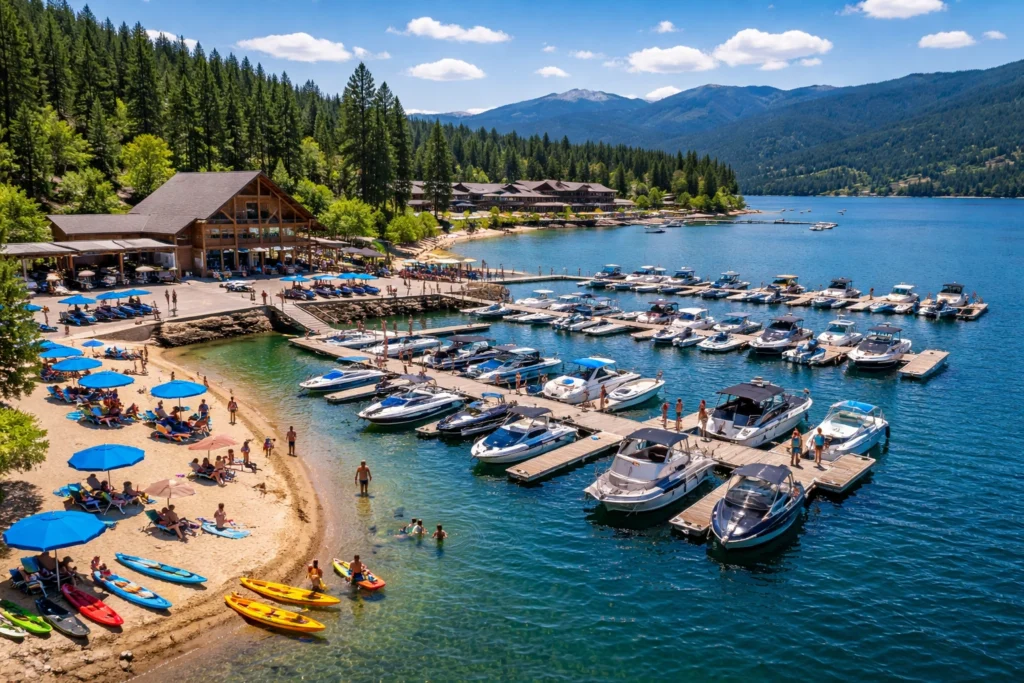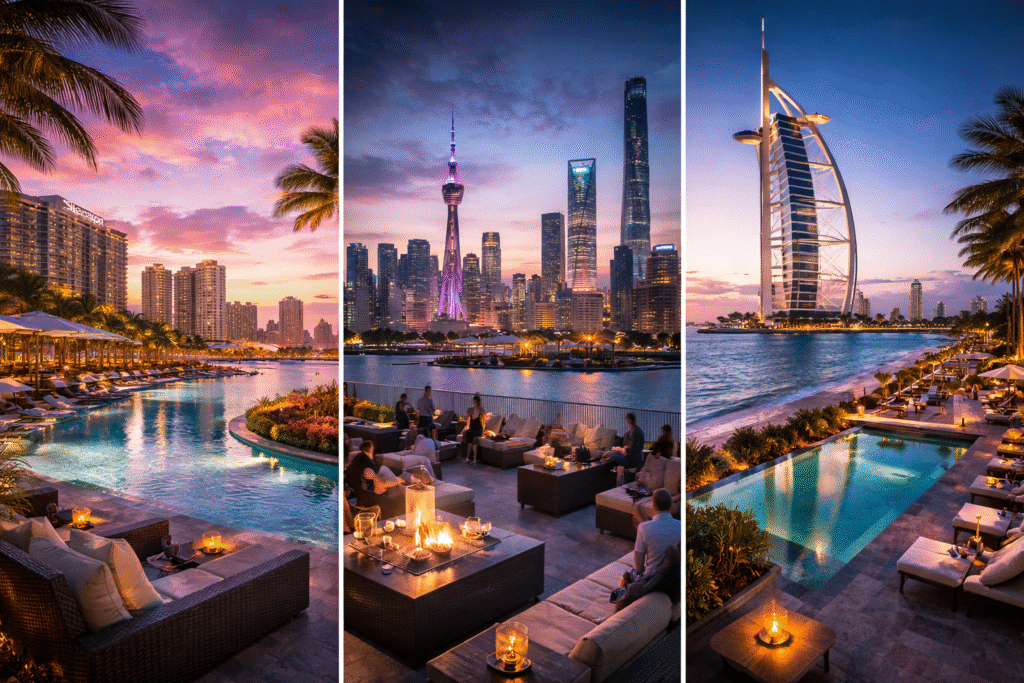
The global luxury hotel market continues its strong upward trajectory in 2025. High-net-worth travelers now travel more frequently and spend more per trip. This shift drives demand for premium accommodation and exclusive experiences.
Luxury hotels no longer rely on lavish rooms alone. Travelers now expect personalized service, privacy, and memorable moments. Operators across major markets have responded with innovation and investment.
The United States, China, and the United Arab Emirates lead this growth cycle. These markets combine strong domestic demand with international appeal. Their influence shapes global luxury hospitality trends.
Personalization Redefines the Luxury Guest Experience
Personalized service stands at the core of luxury hospitality in 2025. Guests expect hotels to anticipate needs before arrival. Tailored experiences now replace standardized luxury offerings.
Hotels create custom itineraries based on guest interests. Wellness programs adapt to individual preferences. Dining experiences now reflect personal tastes and dietary needs.
Technology supports this personalization. Guest profiles allow hotels to refine service delivery. Repeat visitors benefit from seamless and familiar experiences.
This approach builds loyalty and increases guest satisfaction. Luxury travelers value recognition and exclusivity. Hotels that deliver personalization gain a competitive edge.
Sustainability Shapes High-End Hospitality Choices
Sustainability now plays a critical role in luxury travel decisions. Affluent travelers increasingly value responsible tourism practices. Luxury brands now integrate sustainability into daily operations.
Hotels invest in energy-efficient systems and water conservation. Many properties source ingredients locally to support communities. Waste reduction programs now form part of brand standards.
Guests also expect transparency. Clear sustainability goals build trust and credibility. Luxury hotels now balance indulgence with environmental responsibility.
Governments continue to encourage sustainable tourism development. Policies support green construction and responsible operations. Luxury hotels align with these national priorities.
Digital Innovation Enhances Comfort and Efficiency
Digital transformation continues to reshape luxury hospitality. Hotels adopt smart room technology to improve comfort and convenience. Guests control lighting, temperature, and entertainment through intuitive systems.
Contactless services now enhance efficiency. Mobile check-in reduces wait times and improves privacy. Digital concierge platforms offer instant support and recommendations.
Artificial intelligence helps hotels understand guest behavior. Data insights support better service design. Technology enhances experience without removing human interaction.
Luxury travelers expect seamless digital experiences. Hotels that invest wisely meet modern expectations. Innovation now defines competitive advantage.
Experiential Luxury Drives Travel Decisions
Luxury travelers now prioritize experiences over possessions. Hotels respond by offering immersive and exclusive activities. Experiences create emotional connections and lasting memories.
Private cultural tours attract discerning guests. Bespoke culinary journeys highlight regional flavors. Wellness retreats focus on mental and physical renewal.
Adventure also plays a growing role. Luxury travelers seek guided nature experiences and unique landscapes. Hotels partner with local operators to deliver authenticity.
Experiential luxury supports higher spending and longer stays. Guests value meaningful travel moments. Hotels that curate experiences stand out in crowded markets.
United States Leads With Diverse Luxury Destinations
The United States remains a dominant luxury hotel market. Major cities and resort destinations drive strong demand. Domestic travel continues to support consistent occupancy.
Luxury brands expand in urban hubs like New York and Los Angeles. Resort destinations also attract affluent leisure travelers. Wellness and lifestyle concepts gain popularity.
Business travel recovery also supports luxury hotels. Premium meeting spaces attract corporate events. High-end service remains essential for executive travelers.
The US market benefits from strong infrastructure and consumer spending. This stability supports long-term growth.
China Emerges as a Powerful Luxury Travel Force
China continues to reshape the global luxury hotel landscape. Rising income levels drive demand for premium accommodation. Domestic tourism plays a growing role.
Luxury hotels expand in major cities and resort regions. Travelers seek international standards with local cultural elements. Design and service reflect this balance.
Outbound travel also continues to recover. Chinese travelers influence luxury trends across Asia and beyond. Hotels adapt offerings to meet cultural preferences.
Government support for tourism infrastructure strengthens market confidence. China remains central to global luxury hospitality growth.
UAE Sets Global Standards for Luxury Hospitality
The United Arab Emirates continues to define luxury hospitality excellence. Cities like Dubai and Abu Dhabi attract global travelers. Iconic architecture and premium service define the experience.
Luxury hotels focus on innovation and scale. New developments feature record-breaking designs and amenities. Service standards remain exceptionally high.
The UAE benefits from strong air connectivity and business travel. Events and exhibitions drive consistent demand. Leisure travel also continues to grow.
Government investment supports tourism diversification. Luxury hospitality remains a key economic pillar.
Europe Maintains Its Appeal for Timeless Luxury
Europe continues to attract luxury travelers seeking culture and heritage. Destinations like France and Italy remain strong performers. Boutique luxury properties gain popularity.
Hotels emphasize authenticity and craftsmanship. Historic buildings now house modern luxury concepts. Guests enjoy immersive cultural experiences.
Sustainable tourism also gains traction across Europe. Regulations support responsible development. Luxury hotels adapt to meet evolving standards.
Luxury Hotel Market Outlook Remains Strong
The luxury hotel market shows resilience in 2025. Economic uncertainty affects some segments but not premium travel. Affluent travelers continue to prioritize quality experiences.
Growth remains strongest in Asia and the Middle East. The Americas maintain steady performance. Sustainability and personalization will shape future success.
Luxury hotels that adapt quickly will outperform competitors. Investment in experience, technology, and responsibility remains essential. The sector enters 2025 with confidence and momentum.
For more travel news like this, keep reading Global Travel Wire