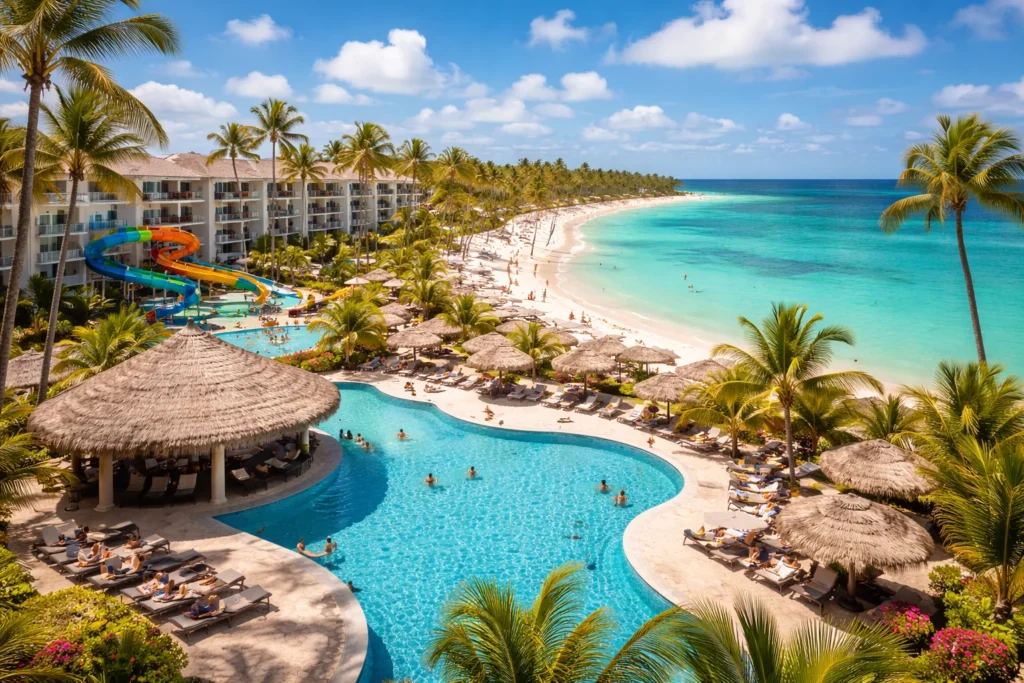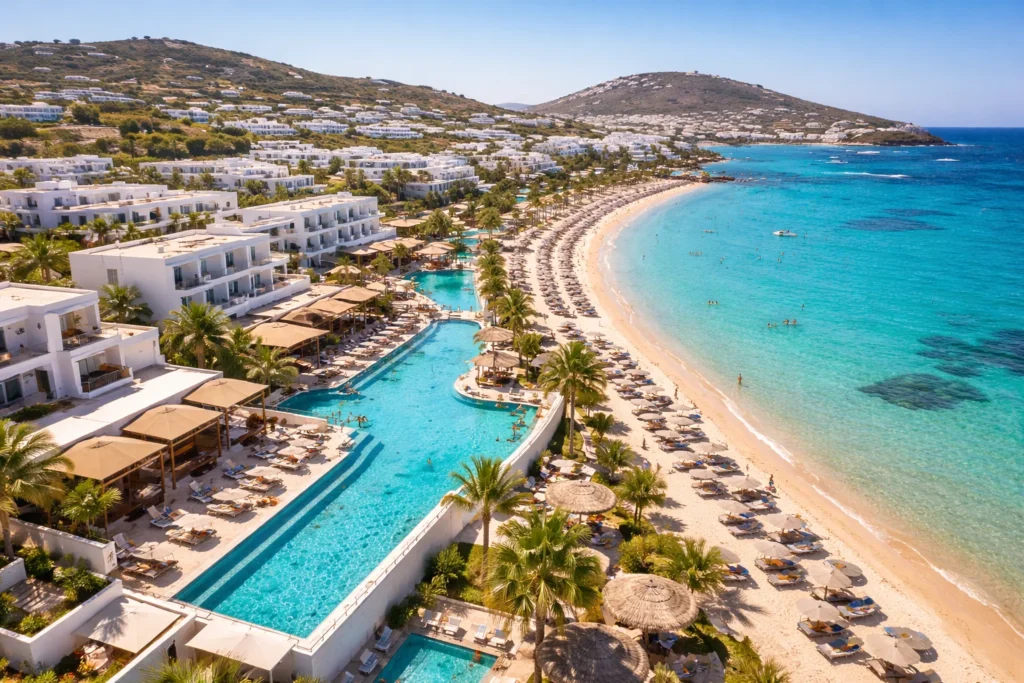
Greece’s tourism sector is set for a major boost as Marriott International announces a significant expansion of its hotel portfolio across the country. The new agreements, which include nine additional properties and nearly 1,000 rooms, highlight growing confidence in Greece as one of Europe’s most sought-after travel destinations.
According to official tourism strategies and investment trends, Greece continues to attract strong interest from global hospitality brands due to its diverse offerings, ranging from historic cities to island resorts. The expansion will increase Marriott’s footprint beyond its existing portfolio, which already includes dozens of properties across the country.
The new developments are strategically distributed across key destinations, including Athens, Crete, Paros, Zakynthos, and Milos. Tourism authorities have consistently identified these regions as priority areas for development due to their strong appeal among international travelers.
In Athens, the introduction of an extended-stay property under the Residence Inn brand reflects the city’s growing role as both a tourism and business hub. Government tourism agencies emphasize that urban centers like Athens benefit from diversified accommodation options that cater to different types of travelers, including long-term visitors and corporate guests.
Island destinations such as Crete are also central to the expansion. Crete, the largest Greek island, is a major contributor to the country’s tourism economy, offering a combination of beaches, cultural heritage, and natural landscapes. New projects in the region include luxury and resort-style properties designed to enhance the visitor experience while supporting local tourism development.
Emerging island destinations like Paros, Zakynthos, and Milos are gaining increasing attention from tourism boards. These locations are being promoted as alternatives to more established destinations, aligning with national strategies aimed at distributing visitor traffic more evenly across the country. The addition of internationally branded hotels in these areas is expected to attract new visitor segments and extend the tourism season.
The expansion also introduces new brands to the Greek market, including Residence Inn and Le Méridien, alongside properties under established collections such as Autograph Collection, Tribute Portfolio, and Luxury Collection. Tourism authorities note that brand diversity is an important factor in meeting the varied preferences of modern travelers, from luxury seekers to lifestyle-focused visitors.
From a tourism development perspective, the expansion reflects broader trends in the global hospitality industry. Travelers are increasingly seeking personalized and experience-driven stays, and hotel brands are responding by offering unique design concepts, local cultural integration, and tailored services. These features enhance the overall appeal of destinations and contribute to higher visitor satisfaction.
The investment also aligns with Greece’s long-term tourism goals. The Greek National Tourism Organization has emphasized the importance of sustainable growth, quality infrastructure, and diversification of tourism products. By expanding accommodation capacity and introducing new brands, the country is better positioned to accommodate increasing visitor numbers while maintaining service standards.
Tourism statistics indicate that Greece continues to experience strong demand from international markets, particularly during peak summer months. However, authorities are also focusing on extending the tourism season by promoting year-round travel. New hotel developments play a key role in this strategy by supporting off-season travel and offering facilities suitable for different types of visitors.
The economic impact of such expansions is significant. New hotel projects generate employment opportunities, support local businesses, and contribute to regional development. Tourism ministries highlight that investments in hospitality infrastructure have a multiplier effect, benefiting sectors such as transportation, retail, and cultural services.
Sustainability is another important consideration in modern tourism development. Many new hotel projects are incorporating environmentally friendly practices, including energy efficiency, waste management, and sustainable design. These initiatives align with global tourism trends and support Greece’s commitment to responsible tourism.
The expansion of Marriott’s portfolio also reflects confidence in Greece’s resilience as a tourism destination. Despite global challenges, the country has maintained its position as a leading travel hub, supported by strong infrastructure, rich cultural heritage, and diverse attractions.
For travelers, the introduction of new hotels offers greater choice and flexibility. Whether exploring historic landmarks in Athens or relaxing on the beaches of the Greek islands, visitors can access a range of accommodation options tailored to their preferences. This diversity enhances the overall travel experience and encourages repeat visits.
Looking ahead, tourism authorities expect continued investment in Greece’s hospitality sector as demand remains strong. Collaboration between international hotel brands, local stakeholders, and government agencies will be essential in ensuring that growth is sustainable and benefits the wider economy.
In conclusion, Marriott’s expansion in Greece represents a significant milestone in the country’s tourism development. By introducing new properties across key destinations, the initiative supports economic growth, enhances visitor experiences, and reinforces Greece’s position as a premier global travel destination in 2026 and beyond.