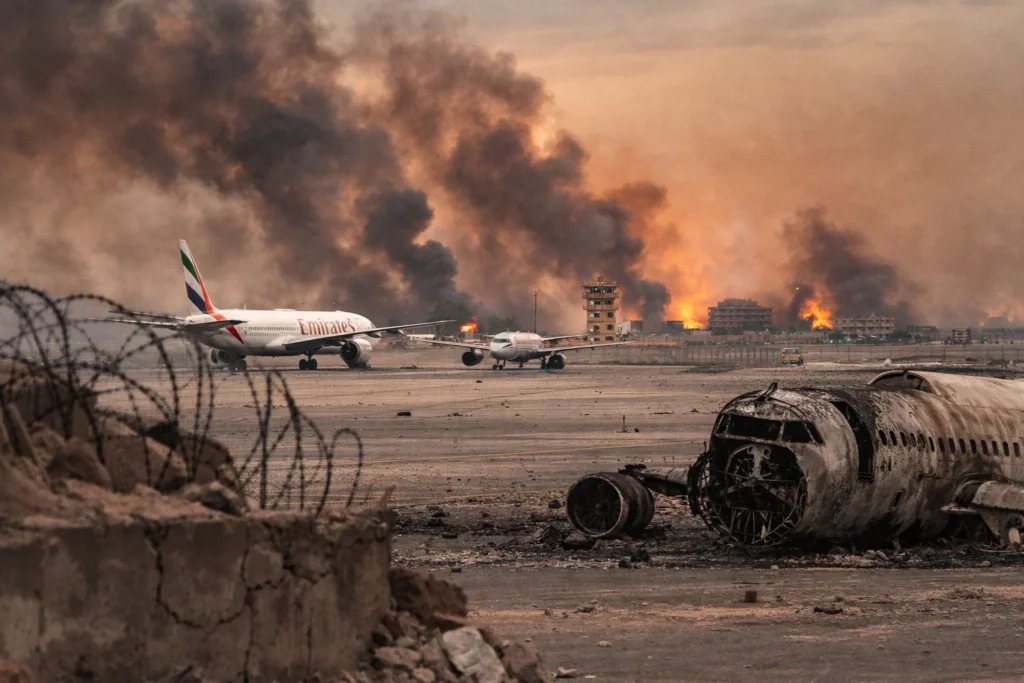
The ongoing geopolitical tensions in the Middle East are significantly affecting tourism flows, hospitality operations, and global travel patterns, prompting industry stakeholders to reassess strategies and adapt to rapidly changing conditions. As travel demand declines in affected areas, alternative destinations are witnessing increased interest, reshaping the global tourism landscape.
Tourism authorities across the region have acknowledged the impact of instability on visitor numbers and hospitality performance. Travel advisories, airspace restrictions, and safety concerns have led to a sharp decline in both leisure and business travel to key destinations in the Middle East. Cities such as Dubai, which traditionally serve as major global tourism hubs, have experienced fluctuations in bookings and occupancy levels.
The aviation sector plays a critical role in this disruption. Airspace limitations and rerouted flight paths have reduced connectivity, making travel to and through the region more complex. Airlines have adjusted schedules and capacities in response to these challenges, affecting the overall accessibility of destinations. Reduced connectivity has a direct impact on tourism, as travelers prioritize convenience and safety when planning trips.
Hospitality providers are also facing operational challenges. Lower occupancy rates and shorter booking windows have become common as travelers adopt a wait-and-watch approach. Tourism boards have noted that booking patterns are shifting, with travelers delaying decisions until closer to departure dates. This trend reflects heightened uncertainty and the need for flexibility in travel planning.
Government authorities in the region have introduced measures to support the tourism and hospitality sectors. Initiatives aimed at maintaining business continuity, improving liquidity, and supporting operators are being implemented to mitigate the impact of reduced demand. These efforts highlight the importance of public-private collaboration in sustaining the tourism ecosystem during periods of disruption.
The economic implications of the situation extend beyond tourism. Rising oil prices and supply chain disruptions are contributing to inflationary pressures, which can influence travel spending. Higher transportation costs, particularly airfares, may affect the affordability of travel and lead to changes in consumer behavior. Tourism authorities continue to monitor these trends as part of broader economic planning.
As demand shifts away from the Middle East, other regions are experiencing increased interest. Mediterranean destinations such as Greece, Spain, Italy, and Portugal are seeing a rise in bookings. These locations offer similar climate conditions and leisure experiences, making them attractive alternatives for travelers seeking familiar environments.
Island destinations like Cyprus and Malta are also benefiting from this shift. Their geographical proximity to the Middle East, combined with perceived stability, positions them as convenient substitutes for travelers who might otherwise have chosen Gulf destinations. Tourism boards in these countries are actively promoting their offerings to capture increased demand.
Major global cities are also attracting renewed interest. Destinations such as London, New York, and Tokyo are seen as stable and well-established travel hubs. These cities benefit from strong infrastructure, diverse attractions, and consistent demand, making them appealing options during uncertain times.
The shift in travel patterns is also influencing investment trends in the hospitality sector. Investors are increasingly focusing on markets with stable regulatory environments and predictable demand. Regions with strong legal frameworks and diversified tourism offerings are attracting greater attention, as they offer lower risk and more consistent returns.
Despite current challenges, the Middle East’s tourism sector retains strong long-term fundamentals. The region has invested heavily in infrastructure, hospitality development, and destination marketing. These investments continue to position it as a key player in global tourism, with the potential for recovery once stability is restored.
Tourism authorities emphasize that the impact of the current situation is likely to be temporary, depending on the duration of geopolitical tensions. Historical trends indicate that the region has demonstrated resilience in the face of previous disruptions, with recovery often following periods of stability.
In the meantime, hospitality providers are adapting to changing conditions by exploring new strategies. This includes diversifying offerings, targeting domestic and regional travelers, and enhancing value propositions to attract visitors. Flexibility and innovation are becoming essential in maintaining competitiveness.
The current environment also highlights the importance of perception in tourism. Traveler confidence plays a crucial role in destination choice, and efforts to communicate safety and stability are key to rebuilding demand. Tourism boards are focusing on transparent communication and targeted campaigns to address concerns and encourage travel.
For travelers, the evolving situation underscores the need for careful planning and awareness. Monitoring travel advisories, understanding airline policies, and considering alternative destinations are important steps in navigating uncertainty. Flexible booking options and travel insurance are increasingly seen as essential components of travel planning.
Looking ahead, the global tourism industry is expected to continue adapting to changing conditions. The redistribution of travel demand across regions reflects the dynamic nature of the sector, where external factors can quickly influence trends.
While the Middle East tourism impact remains significant, the industry’s resilience and adaptability provide a foundation for recovery. As conditions stabilise, the region is likely to regain its position as a major destination, supported by its strong infrastructure and diverse offerings.
In the broader context, the current situation serves as a reminder of the interconnected nature of global tourism. Changes in one region can influence travel patterns worldwide, highlighting the importance of collaboration, innovation, and strategic planning in sustaining growth and stability.