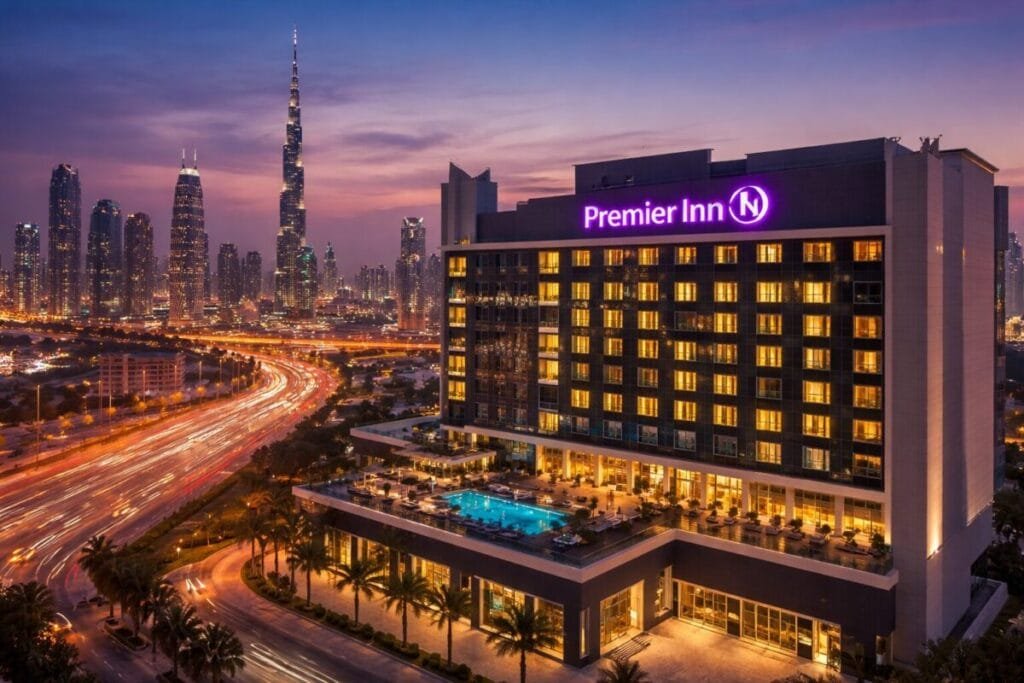
The United Arab Emirates is witnessing a new wave of hotel development as Premier Inn Middle East announces a significant expansion strategy across Dubai, Abu Dhabi, Ras Al Khaimah, Riyadh, and Jeddah. The ambitious plan includes the development of six to eight new properties, adding approximately 3,500 rooms to the company’s regional portfolio. Backed by an investment estimated at AED 2 billion, the expansion is set to reshape mid-market tourism by addressing growing demand for affordable yet high-quality accommodations across key travel hubs in the Gulf region.
Industry analysts say this move reflects shifting traveler preferences, as more visitors seek value-driven experiences without sacrificing comfort. With tourism numbers rising steadily across the UAE and Saudi Arabia, the mid-scale hospitality sector is emerging as one of the fastest-growing segments in the market.
Dubai’s Tourism Strategy Fuels Hotel Growth
Dubai continues to strengthen its position as a global tourism powerhouse, attracting millions of visitors annually through its world-class attractions, business events, and entertainment offerings. Government-led initiatives designed to expand hospitality infrastructure have created a favorable environment for hotel developers. Incentives encouraging new projects in high-growth zones are accelerating construction activity, particularly in emerging districts near major transportation corridors and large-scale developments.
Premier Inn’s expansion aligns with these strategies by targeting high-demand locations, including areas near major airports and business centers. The addition of mid-market accommodations is expected to balance Dubai’s traditionally luxury-heavy hospitality landscape, making the destination more accessible to a broader range of travelers, including families, digital nomads, and budget-conscious tourists.
As Dubai continues to host international exhibitions, conferences, and sporting events, the demand for well-priced hotels close to business districts and transportation hubs is expected to rise further. New mid-scale hotels will also support the city’s ambition to increase repeat visits by offering affordable long-stay options.
Abu Dhabi Strengthens Cultural and Business Tourism
Abu Dhabi’s tourism sector has also experienced strong growth driven by cultural attractions, major sporting events, and expanding airline connectivity. New Premier Inn properties near key infrastructure points, including the main international airport, aim to enhance accessibility for visitors arriving for business meetings, cultural festivals, and leisure travel.
The capital’s focus on cultural tourism has drawn increasing numbers of international visitors interested in museums, heritage sites, and immersive experiences. Mid-market hotels provide an important solution for travelers seeking value-oriented stays while exploring attractions on Saadiyat Island and beyond. Higher occupancy rates during peak seasons have highlighted the need for additional hotel capacity, particularly in the mid-range category.
Ras Al Khaimah Expands Adventure Tourism Appeal
Beyond Dubai and Abu Dhabi, Ras Al Khaimah is emerging as a rising tourism destination known for outdoor adventure and natural landscapes. New hotel developments in the emirate aim to support its growing reputation as a hub for mountain activities, desert exploration, and eco-tourism experiences.
Mid-market properties will help diversify accommodation choices, allowing visitors to combine luxury resorts with affordable stays during extended trips. Authorities have emphasized sustainable tourism growth, encouraging developments that support local communities while preserving natural environments. By adding accessible accommodation options, Ras Al Khaimah hopes to attract new visitor segments and boost regional tourism dispersal.
Saudi Arabia Expansion Aligns with Visionary Tourism Goals
Premier Inn’s expansion into Saudi Arabia reflects the country’s broader push to transform its tourism sector under long-term national strategies aimed at diversifying the economy. Riyadh and Jeddah have become focal points for hotel investment as authorities seek to increase international visitor numbers and develop new leisure and cultural destinations.
In Riyadh, new hotels are expected to support business travelers and tourists exploring historical districts, entertainment venues, and major events. Meanwhile, Jeddah’s strategic location as a gateway for religious tourism positions it as a key destination for mid-scale accommodation growth. Hotels located near airports and transportation hubs can cater to pilgrims and leisure travelers seeking comfortable yet affordable stays.
Sustainability and Eco-Friendly Development
Sustainability remains a central component of the expansion strategy. New properties are expected to follow green building guidelines that promote energy efficiency, reduced waste, and environmentally responsible operations. These measures align with regional commitments to sustainable development and reflect growing traveler demand for eco-conscious hospitality.
Modern travelers increasingly favor accommodations that demonstrate environmental responsibility, and developers are responding by incorporating renewable energy systems, efficient water management, and sustainable construction materials. Such initiatives not only reduce operational costs but also enhance the appeal of hotels to environmentally aware guests.
Supporting Business Travel and MICE Tourism
The expansion is also expected to strengthen the region’s meetings, incentives, conferences, and exhibitions (MICE) sector. With Dubai and Abu Dhabi hosting numerous international events each year, mid-market hotels play a vital role in accommodating delegates who seek practical yet comfortable lodging options.
Urban locations near financial districts, exhibition centers, and transportation networks will enable seamless travel for professionals attending conferences or working remotely. Hybrid work trends have further increased demand for hotels that offer flexible workspaces alongside leisure amenities, allowing guests to combine business and relaxation.
Airport Connectivity Drives Transit Tourism
Strategic placement of new properties near major airports supports the growing transit tourism market. As the UAE and Saudi Arabia position themselves as global aviation hubs, stopover tourism has become a key growth area. Mid-market hotels provide convenient options for travelers looking to explore destinations during layovers or short visits, boosting local spending and extending visitor stays.
A New Era for Mid-Market Hospitality in the GCC
Premier Inn’s expansion marks a significant milestone in the evolution of Gulf tourism, highlighting the rising importance of the mid-scale hospitality sector. By addressing gaps between luxury and budget accommodations, the new developments aim to create a more balanced tourism ecosystem that caters to diverse traveler needs.
As Dubai, Abu Dhabi, and key Saudi cities continue to attract global attention, accessible and sustainable accommodation options will play a crucial role in maintaining competitiveness. The expansion signals a broader transformation in regional tourism, where affordability, sustainability, and strategic location combine to shape the future of travel across the Middle East.
For more travel news like this, keep reading Global Travel Wire