Italy’s tourism industry is experiencing a strong surge in demand as preparations for the 2026 Winter Olympics reshape travel patterns across the country. With Milan positioned at the center of the event alongside several northern Italian regions, the Olympics are already driving significant growth in hotel bookings, visitor arrivals, and tourism investments. Industry data indicates that revenues within the hospitality sector are rising sharply, signaling not only a short-term influx of travelers but also the potential for lasting changes in Italy’s tourism landscape.
As global attention turns toward Italy in the lead-up to the Games, cities hosting Olympic events are witnessing increased interest from international visitors, business travelers, and sports enthusiasts planning early trips.
Milan Emerges as a Leading Tourism Hotspot
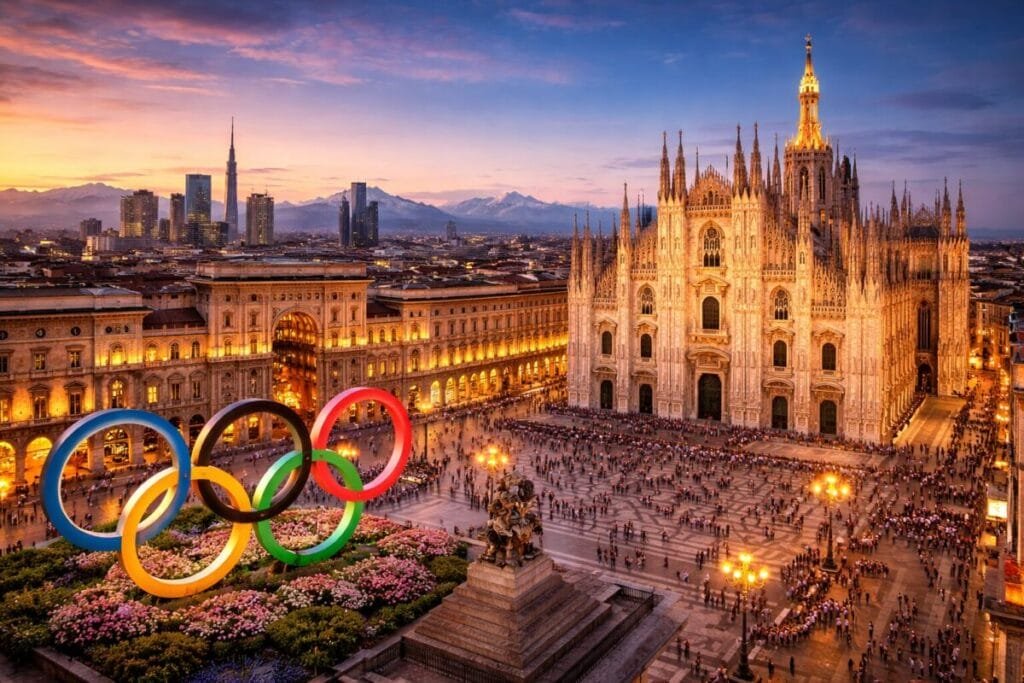
Milan has emerged as one of the biggest beneficiaries of Olympic-driven tourism momentum. Known as Italy’s financial and fashion capital, the city is experiencing record levels of hotel demand well before the official start of the Games. Hospitality operators report a substantial increase in occupancy rates, with a significant portion of seasonal inventory already booked months ahead of the traditional peak period.
The surge in bookings reflects Milan’s evolving reputation as a global destination that combines culture, business, and sporting events. Visitors are drawn not only by Olympic competitions but also by Milan’s renowned art scene, historic architecture, luxury shopping districts, and culinary experiences.
Revenue metrics within the hotel industry highlight a strong upward trend. Higher average daily room rates and increased revenue per available room indicate that travelers are willing to pay premium prices to secure accommodation in the city during this high-demand period. This pricing growth suggests confidence among hoteliers that the Olympic spotlight will continue attracting visitors beyond the event itself.
Regional Growth Extends Beyond Milan
While Milan remains the focal point, surrounding regions in northern Italy are also benefiting from the Olympic tourism boom. Lombardy’s mountain destinations and scenic alpine areas are seeing rising demand from travelers seeking winter sports experiences, scenic landscapes, and quieter alternatives to major urban centers.
Destinations such as Valtellina are gaining increased visibility due to their role in hosting events and training activities, encouraging visitors to explore lesser-known areas. This wider regional distribution of travelers reflects a broader trend in tourism where major events encourage visitors to expand their itineraries beyond primary host cities.
Veneto, another key region connected to Olympic travel routes, is witnessing steady growth in hotel bookings. Historic cities including Verona and Padua are attracting visitors interested in combining cultural exploration with sports-related travel. Venice, already one of the world’s most iconic tourist destinations, is also experiencing increased demand, particularly toward the latter stages of the Games when many travelers extend their trips to include sightseeing in the lagoon city.
The Olympics as a Catalyst for Tourism Development
Large-scale sporting events often serve as catalysts for infrastructure development, international marketing, and tourism expansion, and the 2026 Olympics appear to be following this pattern. Italy has invested in improving transportation networks, upgrading hospitality services, and enhancing event venues, all of which contribute to a stronger long-term tourism offering.
Improved connectivity between cities, enhanced rail services, and upgrades to public facilities are expected to make travel more efficient and attractive for visitors even after the Olympic flame is extinguished. Such investments frequently result in lasting benefits, allowing destinations to accommodate larger visitor numbers and improve the overall travel experience.
Beyond infrastructure, the global media exposure associated with the Olympics plays a key role in shaping tourism demand. With millions of viewers worldwide watching events broadcast from Italy’s cities and alpine landscapes, the country gains an invaluable promotional platform that can influence future travel decisions.
Rising Demand Reflects Changing Travel Trends
The increase in bookings highlights evolving travel behavior among international tourists. Many travelers are planning extended stays that combine sports tourism with cultural exploration, gastronomy, and outdoor activities. Italy’s diverse offerings—from historic landmarks to scenic mountain villages—make it particularly suited to multi-destination itineraries.
Travelers are also seeking experiential tourism, focusing on local traditions, regional cuisine, and immersive cultural experiences. Olympic visitors often take advantage of their trip to explore additional destinations, contributing to wider economic benefits across multiple regions.
Additionally, the rising popularity of winter sports tourism in Europe is boosting interest in Italian alpine destinations, drawing both seasoned athletes and leisure travelers looking for unique seasonal experiences.
Impact on the Italian Hospitality Industry
For Italy’s hotel sector, the Olympic effect represents a significant recovery milestone following recent global travel disruptions. Increased occupancy rates, rising room prices, and longer average stays are helping hotels strengthen financial performance while encouraging further investment in service quality and modernization.
From luxury properties to boutique hotels and smaller family-run accommodations, the benefits are spreading across various segments of the hospitality industry. This widespread growth underscores Italy’s strong appeal to international travelers seeking a blend of heritage, lifestyle, and world-class events.
Local tourism stakeholders also anticipate that the influx of visitors will stimulate related sectors such as dining, retail, transportation, and cultural attractions, creating broader economic opportunities.
Long-Term Outlook for Italy’s Tourism Industry
While the immediate impact of the Olympics is evident in rising bookings and increased travel interest, the long-term outlook may prove even more significant. Major events often reshape global perceptions of host destinations, attracting new audiences who may not have previously considered visiting.
Italy’s visibility on the world stage during the Olympics is expected to reinforce its image as a leading European travel destination, encouraging repeat visits and attracting new tourism markets. Regions that receive international exposure through the Games may continue benefiting from increased interest long after the event concludes.
Conclusion: Olympics Drive a New Era for Italian Travel
The upcoming 2026 Olympics are transforming Italy’s tourism sector, with Milan leading a nationwide surge in hotel demand and visitor interest. As travelers plan Olympic-inspired journeys that combine sports, culture, and scenic exploration, the country is positioning itself for sustained growth in international tourism.
With enhanced infrastructure, global media exposure, and renewed traveler enthusiasm, Italy appears poised to enter a new era of tourism development—one that extends far beyond the Olympic calendar and strengthens its reputation as one of the world’s most compelling travel destinations.
For more travel news like this, keep reading Global Travel Wire