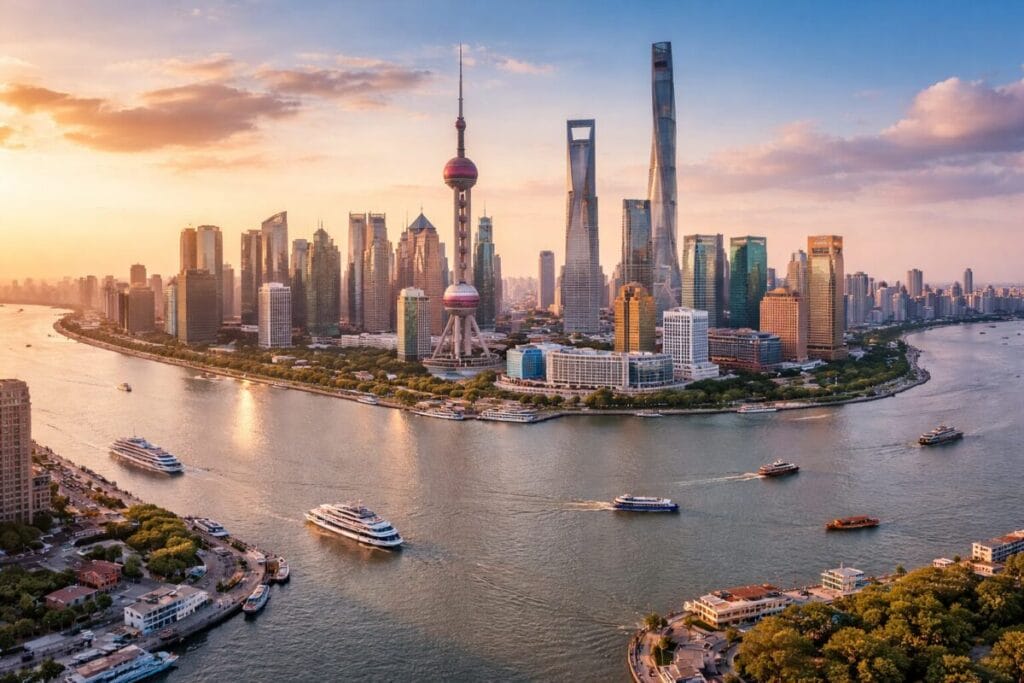
Shanghai is poised to take the global spotlight in 2026 as one of the fastest-growing hotel development markets in the world. With more than 7,400 new hotel rooms expected to open across the city, Shanghai is preparing for a surge in tourism, conferences, exhibitions, and international business travel. The planned expansions place the city at the forefront of global hospitality development and reinforce its standing as a powerhouse destination for both leisure and commercial activity.
The Asia Pacific region has been a driving force in worldwide hotel growth for several years, and that trajectory shows no signs of slowing. Forecast data indicates that the region will add more than 250,000 new hotel rooms in 2026, up from just under 190,000 openings in the previous year. As travel demand rebounds and economies in the region continue to strengthen, cities such as Shanghai have become focal points for international investors and hotel brands seeking to capture growing tourism volumes.
Demand for accommodation in Shanghai is being fueled by several converging factors. International visitor arrivals have been rising steadily, supported by expanded flight routes and the city’s position as a major Asian gateway. Business travel remains a dominant contributor to hotel occupancy, driven by Shanghai’s role as a global financial center and a preferred host city for international trade fairs, corporate events, and exhibitions. Leisure tourism has also expanded as Shanghai continues to develop new cultural districts, waterfront areas, and entertainment attractions.
Beijing is expected to experience similar momentum, with nearly 4,000 new hotel rooms projected to open in 2026. China’s two most influential cities are now central to the country’s strategy to modernize and enhance tourism infrastructure while supporting wider economic development goals. Both cities attract millions of visitors annually, not only for sightseeing and shopping but also for global forums, sports events, technology conferences, and cultural festivals.
Beyond China, hotel construction and openings are accelerating across multiple global tourism hubs. London, Dubai, New York City, and Phoenix are among the destinations anticipated to welcome thousands of new hotel rooms in 2026. These development patterns point to a wider global trend: hotel operators and investors are preparing for a sustained increase in international travel and domestic tourism over the coming years. Cities with strong international connectivity and diversified visitor bases are leading that growth wave.
Shanghai’s strategic importance in the global hospitality market is linked not only to its economic profile but also to the diversity of its tourism offering. From its modern skyline and iconic waterfronts to its museums, parks, and historical neighborhoods, Shanghai appeals to a wide range of travelers. The city offers robust connectivity through a network of international airports, high-speed rail links, and extensive public transportation, making it easy for visitors to move between business districts, cultural sites, and leisure areas.
Hotel development in Shanghai spans every category, from luxury brands and international chains to mid-range properties and boutique accommodations. This variety is critical in attracting multiple traveler segments, including business professionals, families, students, and tourists seeking unique experiences. The city is also investing in convention and exhibition facilities, which increases demand for accommodations surrounding major events and trade fairs.
The growth of the hospitality sector brings broader economic benefits to Shanghai. New hotel openings generate employment opportunities across hospitality, food services, transportation, retail, and entertainment. An expanded hotel supply also allows the city to host larger international events, which stimulate spending from both foreign visitors and domestic attendees. These activities support Shanghai’s wider tourism and economic development strategies, underscoring the long-term value of hotel infrastructure expansion.
Sustained investment in hospitality also aligns with China’s commitment to strengthening tourism as a key economic pillar. National initiatives aimed at improving urban tourism environments, promoting cultural attractions, and enhancing visitor services contribute to rising hotel demand. Meanwhile, private and international investors view Shanghai as a stable, strategic market with long-term growth potential in both business and leisure travel segments.
Looking ahead, Shanghai’s hotel market is expected to remain highly competitive. As additional rooms enter the market, hotel operators will focus on experience-driven offerings, improved guest services, digital integration, and amenities that appeal to longer stays. Business travelers are increasingly seeking accommodations that support remote work and flexible schedules, while leisure visitors are gravitating toward properties that offer cultural experiences, wellness facilities, or convenient access to the city’s main attractions.
By 2026, Shanghai’s hotel expansions will reinforce the city’s position as one of the world’s leading global destinations. Its growing role in tourism, business travel, and international events ensures that demand for high-quality accommodation will remain strong. With thousands of new rooms planned and ongoing investments shaping the city’s hospitality landscape, Shanghai stands ready to welcome the next wave of global travelers.
For more travel news like this, keep reading Global Travel Wire