
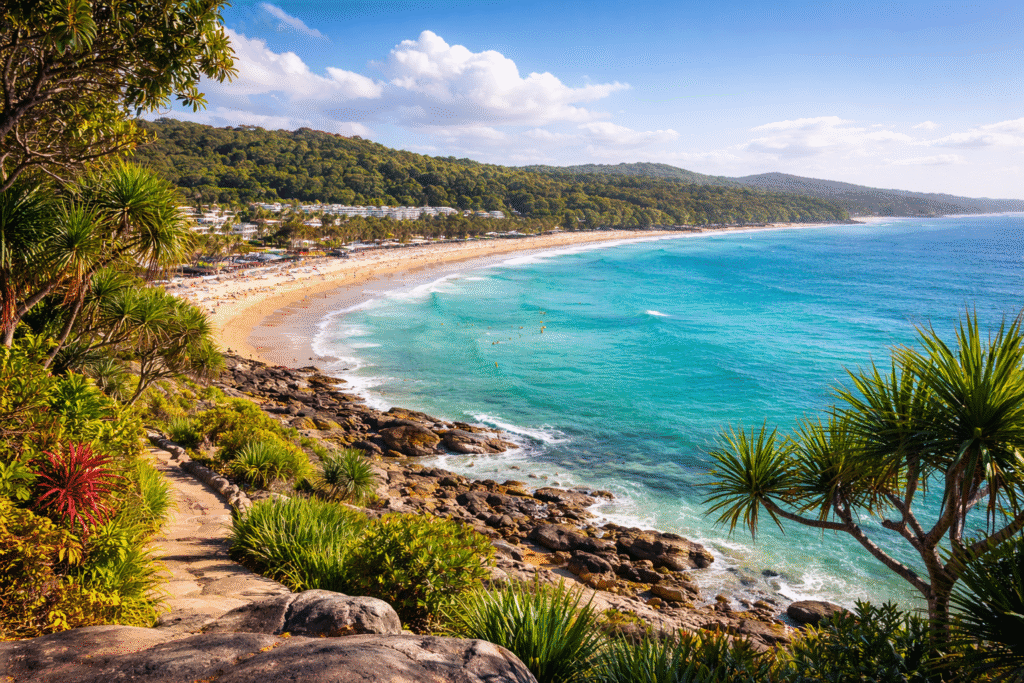
Australia has launched a bold long-term strategy to protect Noosa’s natural beauty, lifestyle, and economic future. The new Destination Management Plan responds to rapid population growth and rising tourism demand. Leaders want to guide development without damaging the region’s identity.
Noosa sits in South East Queensland and ranks among Australia’s most loved coastal destinations. Its beaches, national parks, and hinterland attract visitors year-round. However, rising visitation has increased congestion, environmental pressure, and infrastructure strain. Local authorities now aim to act before these impacts become irreversible.
The 10-year Destination Management Plan, titled For the Love of Noosa, sets a clear vision for balanced growth. The plan promotes shared responsibility among residents, businesses, and visitors. Officials want tourism to enhance community wellbeing rather than overwhelm it.
Population growth across Queensland continues to accelerate. Major international events, including the 2032 Olympic Games, may further increase visitor numbers. Noosa’s leaders see early planning as essential to protect liveability and long-term prosperity.
A key focus of the plan involves managing day visitation. Noosa attracts thousands of short-stay visitors each year. While these trips support local businesses, they also cause traffic congestion and overcrowding during peak periods. Environmental stress often rises during weekends and holidays.
To address these challenges, the plan introduces smarter visitor management tools. Dynamic parking systems will adjust pricing based on demand and timing. Improved public transport and alternative travel options will reduce car dependence. These measures aim to spread visitor activity more evenly and improve daily life for residents.
Community involvement plays a central role in the new strategy. The For the Love of Noosa custodianship initiative encourages collective care for the region. Locals, operators, and visitors will learn how daily actions affect Noosa’s environment and culture. This approach builds awareness, respect, and long-term behavioral change.
Education forms the foundation of the custodianship model. Visitors will gain clearer guidance on environmental protection and cultural respect. Businesses will align practices with sustainability principles. Residents will play an active role in shaping tourism outcomes.
The plan also highlights the importance of Noosa’s hinterland. Rural landscapes and farming communities contribute strongly to regional identity. Urban expansion and land pressure have placed these areas at risk. Officials now want to restore and protect these landscapes.
A regenerative agriculture program will support sustainable land management. Farmers will adopt practices that improve soil health and biodiversity. Local producers will connect more closely with tourism experiences. Visitors can explore food trails, farm stays, and nature-based activities linked to responsible farming.
This strategy supports both environmental recovery and economic resilience. It strengthens local supply chains while offering visitors meaningful experiences. Food and nature tourism will grow without sacrificing land integrity.
Governance remains another cornerstone of the plan. A dedicated Stewardship Council will oversee implementation and future decision-making. The council will include local stakeholders and tourism leaders. Its role involves aligning development with Noosa’s values and monitoring long-term impacts.
The plan follows a rolling three-year action roadmap. This structure allows flexibility and regular updates. Leaders can adapt strategies as visitor trends and environmental conditions change. Annual reviews will track progress and ensure transparency.
Tourism remains vital to Noosa’s economy. However, unmanaged growth risks damaging lifestyle quality and destination appeal. The plan shifts focus from visitor volume to visitor value. This approach reflects global travel trends that favor sustainability and authenticity.
Reduced congestion will improve daily life for residents. Environmental protection will preserve Noosa’s natural assets. Smart planning will secure tourism income for future generations.
Australia now positions Noosa as a national example for sustainable destination management. Many regional destinations face similar pressures. Noosa’s strategy demonstrates how long-term planning, community engagement, and innovation can work together.
The Destination Management Plan marks a defining moment for Noosa’s future. It balances growth with care and responsibility. Through collaboration and stewardship, Noosa protects what makes it special while preparing confidently for the years ahead.
For more travel news like this, keep reading Global Travel Wire