Iran is embracing a new era of tourism expansion with a comprehensive international strategy that aims to attract travelers from East Asia, Russia, and neighboring countries. Announced by the Minister of Culture, the plan seeks to redefine Iran’s image on the global stage through cultural diplomacy, regional partnerships, and a growing focus on adventure and eco-tourism.
The initiative highlights Iran’s position as a bridge between East and West, emphasizing its ancient heritage, diverse landscapes, and the warmth of its people. By developing sustainable tourism and promoting its shared cultural values with other nations, Iran hopes to increase its global visibility and economic resilience.
Building Bridges Through the Nowruz Region
At the heart of Iran’s new tourism blueprint is the Nowruz region, which includes countries such as Tajikistan, Turkmenistan, Uzbekistan, Azerbaijan, and Turkey. These nations share cultural and linguistic ties with Iran and celebrate Nowruz, the Persian New Year — a festival symbolizing renewal and unity.
Iran plans to turn this shared tradition into a cornerstone of its regional tourism diplomacy. By promoting festivals, crafts, and cross-border cultural events, Iran will strengthen relationships with neighboring countries while offering visitors authentic cultural experiences.
The government also aims to attract visitors from the Persian Gulf region, including Iraq, Kuwait, and Bahrain. These nations share deep religious and historical connections with Iran, particularly through pilgrimage tourism. By developing infrastructure around its religious cities like Mashhad and Qom, Iran hopes to become a central hub for spiritual tourism in the Middle East.
Promoting Cultural Heritage and Adventure Tourism
Iran’s tourism revival rests on showcasing its UNESCO World Heritage Sites, ancient cities, and rich Persian culture. From the monumental ruins of Persepolis to the historic bazaars of Isfahan and Tabriz, Iran offers a living museum of art, architecture, and spirituality.
Cultural tourism remains a pillar of Iran’s international appeal, but the new strategy also emphasizes adventure and sports tourism. The Ministry of Culture plans to develop Iran’s vast natural landscapes for mountain climbing, desert exploration, and eco-tourism.
With regions like the Alborz Mountains, Zagros Range, and Dasht-e Kavir Desert, Iran provides unique terrain for hiking, rock climbing, and off-road safaris. The country’s diverse climate and geography make it one of the few destinations where travelers can ski in the north and dive in the Persian Gulf within the same week.
This focus on outdoor and adventure tourism reflects a global trend, as travelers increasingly seek immersive and sustainable experiences rather than traditional sightseeing. Iran’s natural beauty, coupled with its affordability, positions it strongly within this market.
Expanding Ties with Central Asia and the Caucasus
Iran’s tourism vision also includes deepening cooperation with Central Asian and Caucasus countries such as Uzbekistan and Georgia. These partnerships aim to create joint tourism corridors that celebrate the shared heritage of the ancient Silk Road.
The plan envisions collaborative marketing campaigns and easier visa processes to encourage cross-border travel between these countries. For example, Uzbekistan’s Islamic architecture and Iran’s ancient Persian cities can together form part of themed cultural itineraries that appeal to history and architecture enthusiasts.
Georgia, with its growing tourism industry, is also seen as a partner in adventure and eco-tourism, especially in promoting mountain and hiking experiences across both nations. Iran’s geographical position offers a natural advantage in linking Asia, the Middle East, and Europe through multi-destination tourism routes.
Targeting East Asian and Russian Travelers
Iran’s outreach to East Asia, particularly China, is a central pillar of its global tourism strategy. The country plans to increase the number of Chinese visitors by opening tourism service offices and participating in Asian travel expos.
Chinese tourists are known for seeking authentic cultural experiences, and Iran’s ancient sites, gardens, and bazaars align perfectly with this demand. By simplifying visa processes and improving travel services, Iran aims to capture a larger share of the expanding Chinese outbound tourism market.
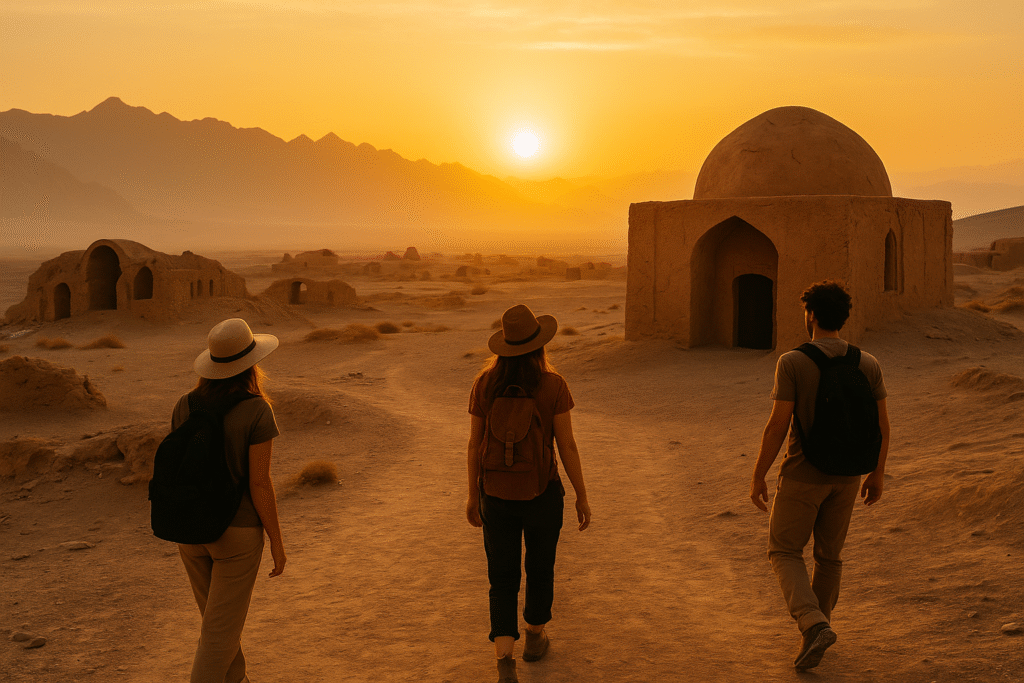
At the same time, Russia has emerged as another priority market. Iran’s diverse landscapes—ranging from snow-capped mountains to desert plateaus—offer Russian travelers a compelling mix of adventure and culture. Desert tourism, particularly in areas like Yazd and Kerman, appeals to visitors interested in stargazing, camel trekking, and exploring historic caravan routes.
Iran also sees opportunity in joint marketing with Russia, leveraging existing flight connections and cultural exchange agreements. Russian visitors often seek destinations that combine affordability, safety, and natural beauty—all areas where Iran excels.
Strengthening the Iranian Diaspora Connection
Iran’s new tourism approach also focuses on engaging the global Iranian diaspora, estimated at nearly nine million people. Through the Supreme Council of Iranians Abroad, the government encourages expatriates to visit, invest, and reconnect with their heritage.
This initiative promotes “roots tourism”, inviting second- and third-generation Iranians living in Europe, North America, and the Middle East to explore their ancestral homeland. The diaspora plays an important role in spreading positive perceptions of Iran abroad, helping attract international visitors through word-of-mouth and personal storytelling.
Tourism as a Pillar of Economic Growth
Tourism is increasingly seen as a strategic driver of Iran’s economic diversification. The ministry reported a 30% increase in visitor numbers in early 2025, reflecting growing global interest in Iran’s cultural and adventure tourism offerings.
To sustain this growth, the government is offering incentives for investors, including tax exemptions and simplified business regulations for tourism projects. By focusing on infrastructure development—such as new airports, hotels, and eco-lodges—Iran aims to improve visitor comfort while maintaining environmental sustainability.
This holistic approach supports local economies by creating jobs in hospitality, transportation, and handicrafts, ensuring that tourism benefits reach communities across the country.
A New Chapter for Iran’s Global Image
Iran’s tourism strategy is more than a marketing plan—it is a form of cultural diplomacy. Through travel, dialogue, and shared experiences, the country seeks to foster understanding and cooperation with nations across Asia and beyond.
By blending heritage preservation, regional partnership, and adventure tourism, Iran is positioning itself as a destination that offers authenticity and depth. Visitors can explore ancient civilizations, climb rugged peaks, and connect with locals whose traditions span millennia.
In this new era, Iran invites travelers to look beyond the headlines and discover a country rich in stories, landscapes, and hospitality—a land where culture meets adventure in the heart of the Middle East.
For more travel news like this, keep reading Global Travel Wire