Spain now enjoys strong growth in its premium tourism sector as affluent travelers choose short but high-spending stays in major cities. These visitors represent a very small share of overall arrivals, yet they generate a large economic impact. Their daily spending exceeds four times the average tourist, which makes them crucial to Spain’s long-term tourism goals. Travelers from the United States, Japan, Australia, Mexico, and Colombia lead this trend. They choose destinations such as Madrid and Catalunya, where culture, business, and gastronomy create memorable travel experiences.
Profile of Spain’s High-Value Travelers
Spain classifies premium tourists as visitors who spend at least triple the international average per day. These travelers usually hold senior professional roles and enjoy strong incomes. Many fall between 25 and 65 years old and travel for business, cultural exploration, or luxury dining. Their preferences differ sharply from mass tourism patterns. Instead of seeking coastal holidays, they choose urban centers with rich heritage and refined experiences.
They also avoid Spain’s busy summer season. Most arrive between March and June and again from September to December. These shoulder months offer comfortable weather, fewer crowds, and excellent cultural programming. Their stays remain short, often lasting less than half the duration of typical tourists. However, their high spending brings strong financial gains for Spain.
Growth of Urban Tourism in Madrid and Catalunya
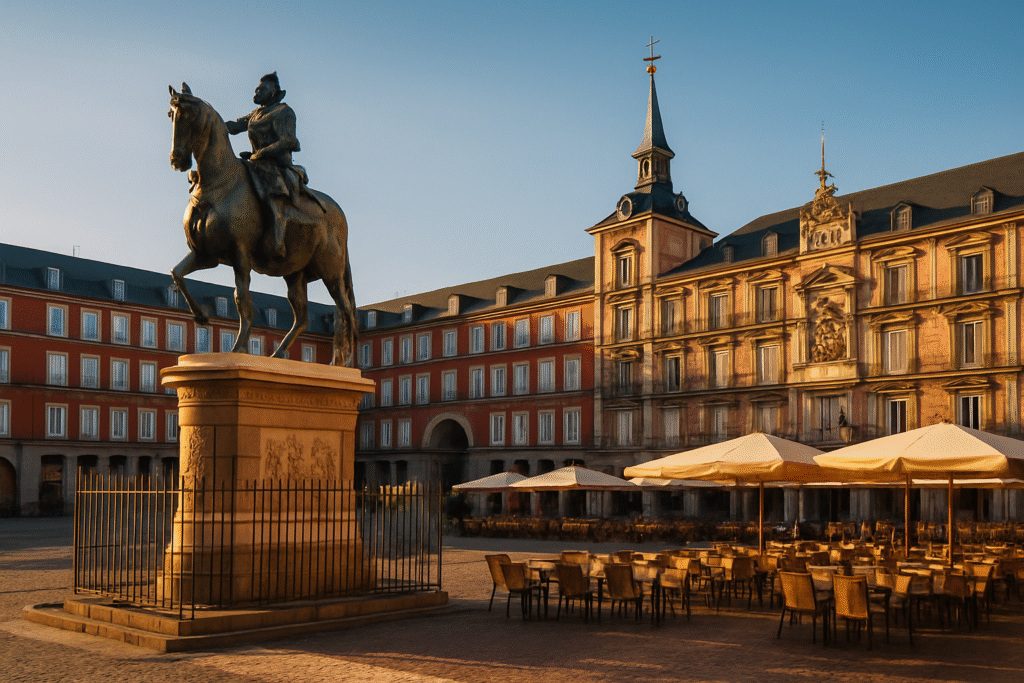
Spain’s cities now attract a growing wave of high-value travelers who want more than sun and sea. Madrid stands out with its museums, luxury hotels, fine dining, and business districts. Catalunya, anchored by Barcelona, draws travelers who want architecture, arts, wine, and elite shopping.
Urban tourism now plays a major role in Spain’s premium market. These cities deliver rich cultural scenes and refined services that appeal directly to affluent visitors. Spain’s tourism planners recognize the importance of this shift, since premium travelers support the economy during quieter seasons. Their interest in business events, gastronomy festivals, and cultural exhibitions strengthens Spain’s appeal year-round.
New Travel Preferences After the Global Pandemic
The pandemic reshaped traveler expectations across the world. Spain responded by expanding its luxury offerings to align with these new preferences. Today’s premium travelers show strong interest in gastronomy, wine tourism, nature, and wellness. They want meaningful experiences that combine comfort, culture, and physical well-being.
Spain now promotes retreats, high-end spa facilities, and rural escapes that appeal to health-minded visitors. Nature regions such as Asturias, La Rioja, and Andalusia attract travelers who want fresh air, hiking, and quiet landscapes. Wine tourism continues to grow as well, with regions like Rioja, Priorat, and Ribera del Duero offering world-class tasting routes.
Luxury Hotels and Curated Packages Gain Popularity
Premium visitors overwhelmingly prefer luxury hotels. Ninety-two percent choose hotel stays, a notable increase from pre-pandemic levels. These guests expect personalized service, modern comfort, and exclusive amenities.
Curated travel packages also attract growing interest. High-value travelers value convenience and prefer structured itineraries that link culture, dining, and business activities. Thirty-five percent now choose packages, compared to only eighteen percent among general visitors. This shift highlights the value of tailored experiences that remove stress and maximize comfort.
Loyalty Patterns Show Strong Potential
Premium travelers visit Spain less frequently than mass-market tourists. Only sixty-three percent return compared to seventy-nine percent of other travelers. However, loyalty rises sharply after a positive experience. When their expectations are met, these travelers show strong interest in repeat visits. Their loyalty highlights the importance of evolving cultural programming, luxury offerings, and business events.
Spain continues to refine its tourism products to meet these expectations. As cities add more Michelin-starred dining, renewed museums, and new luxury hotels, premium visitors gain more reasons to return.
Rise of Luxury Shopping and Cultural Tourism
Retail tourism plays a major role in Spain’s premium market. Affluent visitors enjoy high-end shopping in Barcelona, Madrid, and Marbella. In 2024, shopping tourism surpassed its pre-pandemic levels. Retail spending rose by thirty-one percent compared to 2019. Travelers from the United States, Morocco, Mexico, and the United Kingdom drive this segment, while China and Colombia show strong growth.
These travelers also explore cultural attractions, making museums, theaters, and heritage sites popular stops. This shift confirms that Spain’s premium tourism now revolves around culture, gastronomy, and lifestyle.
A Strong Outlook for Spain’s Luxury Tourism Market
Spain stands at the forefront of global premium tourism growth. Strong demand for culture, business travel, gastronomy, and wellness drives the rise of high-value visitors. These travelers spend more, stay in luxury hotels, and choose curated experiences that elevate Spain’s international image.
Spain continues to expand its luxury offerings to capture this market. With strong air connections, unique cultural assets, and a thriving gastronomy scene, the country is well-positioned to grow its premium tourism sector even further.
For more travel news like this, keep reading Global Travel Wire