Spain continues to shine as a global tourism leader as luxury travel demand grows at a remarkable pace. High-spending visitors now shape a major part of the country’s economic momentum. These travelers account for less than two percent of arrivals, yet their spending far exceeds that of the average tourist. Their interest in culture, gastronomy, business events, and premium experiences drives a new era for Spanish tourism.
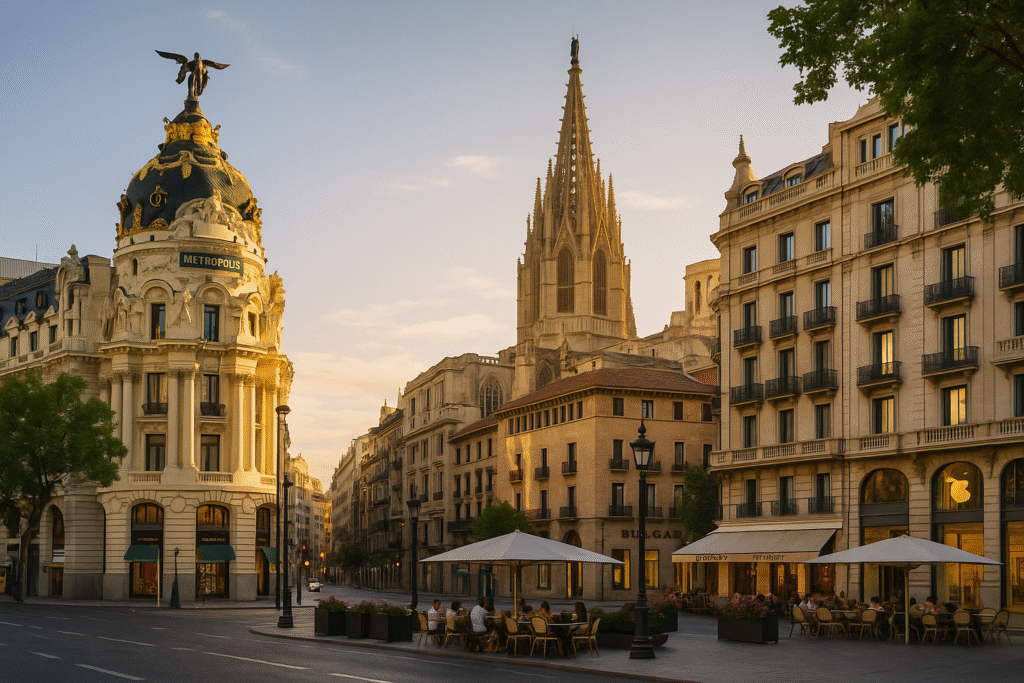
Madrid and Barcelona benefit the most from this trend. These cities attract travelers who seek exclusive experiences, refined cuisine, and dynamic cultural events. Many of these visitors come from the United States, Japan, and Australia. Growing numbers also arrive from Mexico and Colombia. Their trips usually take place during spring and autumn rather than the busy summer months. This pattern supports national tourism stability and helps extend the travel season.
High-Spending Travelers Shape Strong Market Growth
Spain’s National Statistics Institute tracks the strong impact of luxury travelers. These visitors often spend triple the average daily amount. They travel for cultural events, business meetings, or exclusive curated experiences. Their stays usually last fewer days than regular visitors, yet their financial impact remains far greater. Their preference for quieter travel periods helps stabilize hotel occupancy during off-peak months.
Premium travelers spend less time at each destination, yet their daily spending increases the overall value of each trip. This trend supports Spain’s efforts to encourage year-round tourism. Travel planners now design new strategies that focus on guests who enjoy exclusive experiences rather than large crowds.
Changing Demographics Signal a New Tourism Shift
The profile of luxury travelers has changed since the global travel rebound. Many visitors now work in high-income executive roles and range from 25 to 65 years old. They show strong interest in culture, architecture, gastronomy, and wine experiences. They also explore nature-focused activities that highlight Spain’s diverse landscapes. This shift reflects a global trend toward immersive and meaningful travel rather than simple leisure holidays.
City tourism continues to grow across Spain. Madrid and Barcelona lead this movement with strong cultural offerings. Galleries, theaters, Michelin-star restaurants, and major sporting events attract travelers who seek refined and exclusive experiences. These visitors choose premium services and private tours rather than mainstream attractions. Their spending power helps these cities grow in global rankings for cultural tourism.
Hotels Capture Rising Demand With Tailored Services
Hotels remain the top choice for luxury travelers. About 92 percent of premium guests choose hotels, which marks an increase from pre-pandemic levels. These visitors want refined comfort, high-end service, and easy access to premium facilities. They also show growing interest in packaged travel experiences. About 35 percent book curated packages that include private tours, exclusive dining, or luxury transit. This trend highlights demand for seamless planning and personalized services.
Luxury travelers return to Spain less often than the general tourist population. Yet those who return often show strong loyalty. Many revisit Spain when they receive services that match their preferences. This loyalty encourages Spain’s tourism industry to refine its offerings and maintain strong service standards.
Luxury Shopping Tourism Gains Strong Momentum
Luxury shopping has become a major attraction for premium visitors. These travelers enjoy high-end retail experiences in Madrid, Barcelona, and other major cities. They seek fashion, jewelry, fine crafts, and exclusive Spanish brands. This trend continues to strengthen Spain’s tourism economy.
Shopper tourism grew by nearly two percent in 2024 compared with pre-pandemic levels. International arrivals increased by more than twelve percent that same year. Retail spending climbed sharply as luxury travelers purchased premium goods during their trips. Spain’s major shopping districts now play a key role in tourism development plans.
Spain Leads a Global Trend Toward Premium Travel
Spain’s rise in luxury tourism reflects a global shift. Many travelers seek experiences that mix culture, gastronomy, and curated activities. Spain responds to this demand with world-class museums, historic districts, gourmet cuisine, vibrant nightlife, and strong event calendars. These elements create a powerful attraction for affluent visitors.
Countries like the United States, Mexico, Morocco, Colombia, and China supply many of these premium travelers. China’s tourism recovery continues at a slow pace, yet the country remains a major source of affluent visitors. Growth markets continue to expand and create new opportunities for Spain’s tourism economy.
Spain Strengthens Its Role as a Luxury Travel Leader
Spain’s tourism strategy now focuses on high-value visitors who want immersive experiences. This approach supports sustainable growth, reduces strain on crowded summer destinations, and boosts revenue during quieter months. Madrid and Barcelona continue to lead the movement by offering premium cultural and gastronomic experiences that attract global travelers.
Spain’s dedication to innovation ensures that the luxury tourism sector will continue to grow. The country invests in cultural infrastructure, premium hotels, sustainable travel programs, and exclusive shopping districts. These efforts position Spain as a top destination for travelers who value refined experiences, cultural depth, and premium hospitality.
Luxury travel now shapes Spain’s tourism identity and sets the tone for future growth. The country stands ready to welcome the next generation of high-spending global travelers.
For more travel news like this, keep reading Global Travel Wire