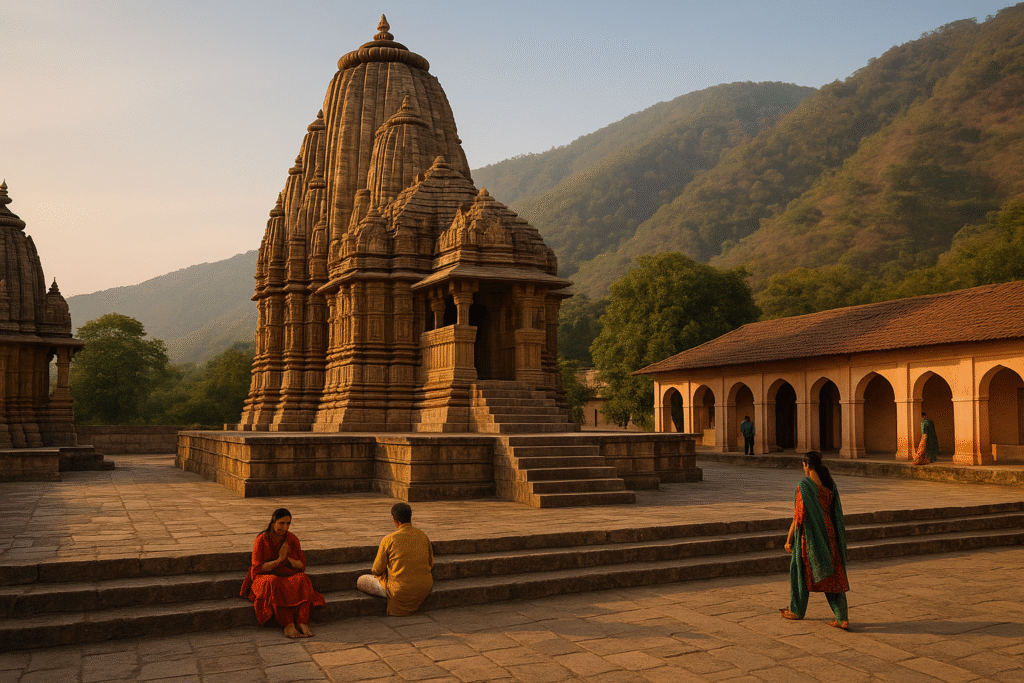
India reshapes the pilgrim experience with a fresh approach that blends culture, comfort, and wellness. Travelers now explore sacred destinations with clear intentions and personal goals. The country offers rich traditions, spiritual depth, and modern services that enrich each journey. This shift creates a new kind of pilgrimage that supports inner growth and cultural connection.
India’s sacred routes once focused on ritual, obligation, and strict routines. Many travelers followed those paths without personal reflection. Today, pilgrims choose a deeper and more meaningful journey. They seek clarity, healing, and cultural immersion. This new demand inspires major changes across India’s spiritual tourism sector.
Travelers Seek Purpose and Personal Growth
Modern pilgrims travel with strong intentions. They want to understand each sacred place and connect with its history. Many travelers also look for a break from stress and daily pressure. They want a peaceful space for healing and self-discovery. This mindset transforms the idea of a pilgrimage.
Younger travelers play a major role in this shift. They want more control over their journey and search for experiences that create real impact. They explore sacred cities, speak with local guides, join cultural workshops, and connect with spiritual teachers. These travelers also value comfort during their journey. They seek an experience that nurtures both mind and body.
Comfort Becomes Central to the Modern Pilgrimage
Pilgrimages once required simple lodging and long, difficult travel. Many pilgrims accepted discomfort as part of the spiritual process. That idea no longer guides today’s travel culture. Modern pilgrims want comfort without losing the sacred energy of the destination.
Many spiritual cities now offer boutique hotels, luxury retreats, and premium lodges. These places respect local culture and offer modern facilities. Travelers enjoy clean rooms, healthy meals, guided tours, and wellness programs. Destinations like Tirupati, Ayodhya, and Puri now deliver both devotion and comfort. These services help travelers stay relaxed and focused during their spiritual journey.
Comfort improves the overall experience and attracts a wider audience. Families, professionals, and senior citizens now travel with more ease. They gain the freedom to explore each destination at a steady pace. Better accommodations also support longer stays, which help local communities and small businesses.
Wellness Becomes a Key Part of Spiritual Travel
India’s sacred destinations now offer strong wellness programs that enrich the pilgrim experience. Travelers join yoga retreats, meditation workshops, and Ayurveda therapies. These activities strengthen emotional balance and physical health. They also support the spiritual practices that many travelers follow during their journey.
Rishikesh stands as a major example of this trend. It offers peaceful ashrams, riverside meditation halls, and skilled yoga teachers. Kerala offers world-class Ayurveda treatments and serene natural settings. Ladakh attracts travelers who seek mindful silence and vast mountain landscapes.
Travelers return home with a renewed sense of balance. They gain clarity and deep emotional calm. Many also build long-term wellness habits during their stay. This blend of wellness and spirituality sets India apart as a global leader in holistic tourism.
Technology Makes Spiritual Travel Easier and Richer
Technology now supports every step of the spiritual journey. Travelers use digital platforms to book hotels, find local guides, and plan their routes. Online tools share details about rituals, temple hours, and cultural practices. This support helps visitors understand the deeper meaning of each destination.
Virtual tours help travelers prepare before they arrive. Digital storytelling introduces local legends, traditions, and history. Apps also guide travelers through temple complexes and cultural sites. These tools improve understanding and help visitors feel more connected to the places they explore.
Technology also supports safety and convenience. Many sacred destinations use digital ticketing, crowd updates, and quick service platforms. This system creates a smooth and stress-free journey.
Younger Travelers Shape a New Pilgrimage Culture
Young professionals and millennials now drive strong growth in spiritual tourism. They seek healing, peace, and reflection. Many want to escape the noise of modern life and connect with deeper meaning. Sacred cities like Kashi, Bodh Gaya, and Rishikesh attract these travelers with rich culture and calm spaces.
Many young travelers also value community experiences. They join group meditation sessions, volunteer events, and cultural exchanges. These activities create deeper emotional connections with local traditions. This generation wants a holistic journey that blends spirituality, culture, and comfort.
India Blends Ancient Wisdom with Modern Needs
India now offers a unique approach to spiritual tourism. The country respects ancient traditions and meets modern expectations with care. Sacred destinations combine history, comfort, wellness, and technology. This blend creates a rich and balanced travel experience.
Travelers gain personal clarity, cultural knowledge, and emotional strength. Local communities gain stronger economic support and new opportunities. The entire sector grows with a focus on quality and authenticity.
A Bright Future for Spiritual Tourism in India
India’s sacred destinations now lead a new era of meaningful travel. Pilgrims enjoy smooth journeys, peaceful stays, and deep cultural engagement. They return with a strong sense of renewal and connection.
This transformation shows India’s ability to preserve its spiritual heritage while embracing modern change. The future of spiritual tourism in India looks bright, inclusive, and deeply enriching.
For more travel news like this, keep reading Global Travel Wire