Mexico’s tourism industry is entering a new era of expansion as the hospitality sector surpasses pre-pandemic benchmarks, driven by rising international demand, luxury travel trends, and strategic investments. According to official tourism data and industry reports aligned with national development strategies, the country has recorded significant growth across key performance indicators, reinforcing its position as a leading global destination.
The recovery of the hospitality sector is evident in strong financial and operational performance. Revenue per available room has increased by more than 26% compared to 2019 levels, reflecting both higher occupancy and a notable rise in average daily rates. Tourism authorities highlight that this growth is closely linked to a shift toward premium and experience-based travel, which continues to attract high-value international visitors.
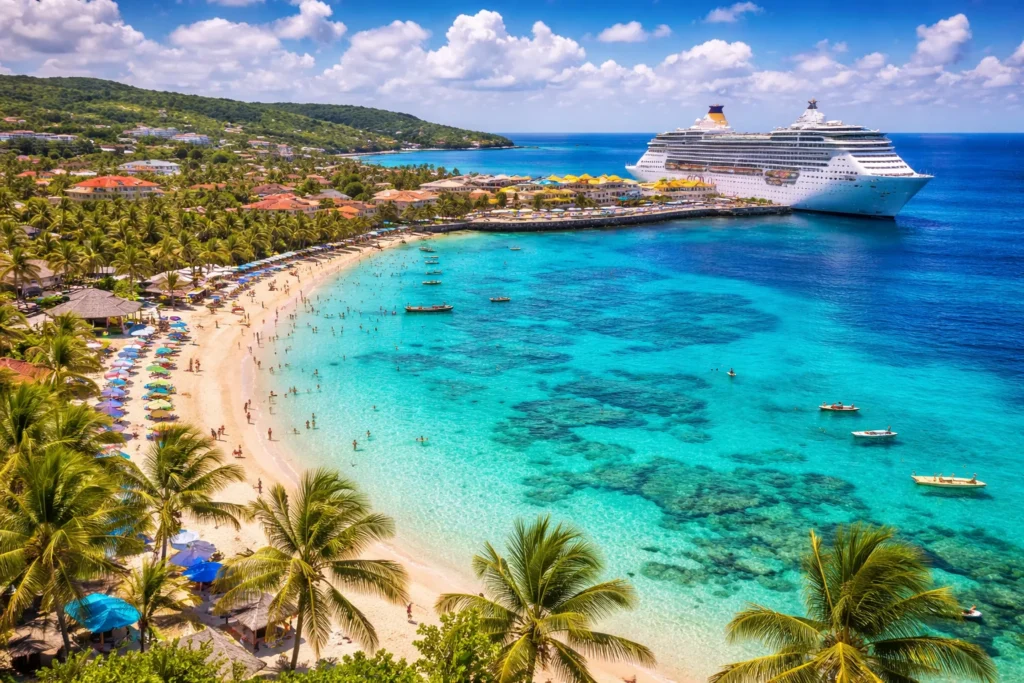
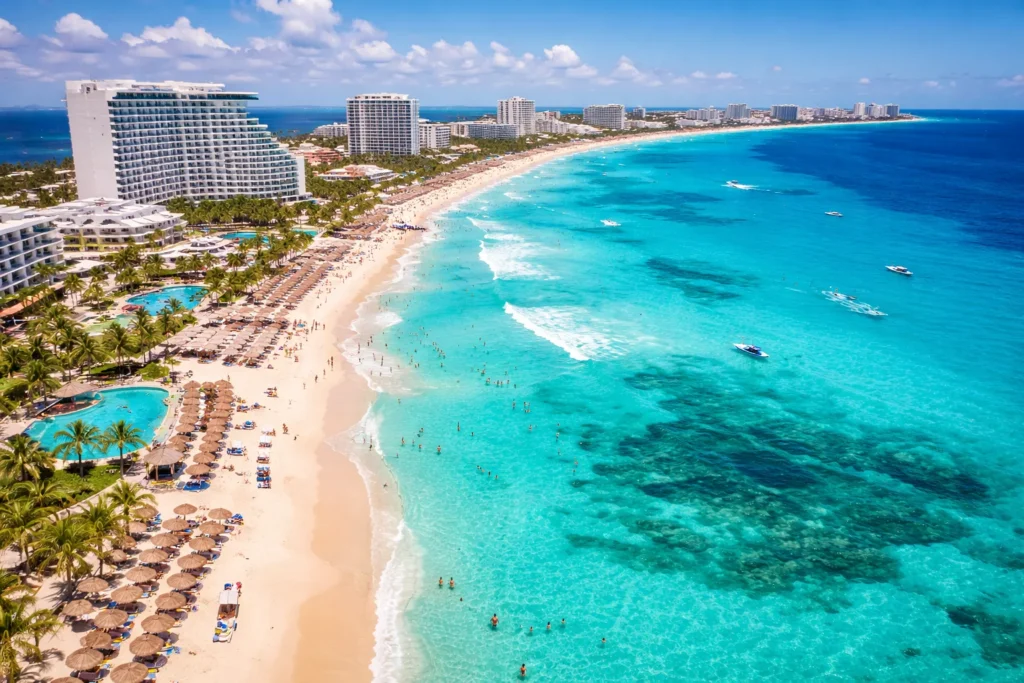
Coastal destinations remain at the forefront of this tourism surge. Locations such as Cancún, Los Cabos, and Puerto Vallarta have reported some of the highest occupancy rates in recent years. These destinations are supported by well-developed tourism infrastructure, strong international connectivity, and diverse hospitality offerings that cater to both leisure and luxury travelers.
Tourism officials have emphasized that Mexico’s coastal regions play a critical role in driving visitor numbers. These areas offer a combination of natural beauty, cultural experiences, and high-quality accommodations, making them key contributors to the country’s tourism success.
International arrivals continue to rise steadily. In 2025, Mexico welcomed nearly 48 million international tourists, marking a year-on-year increase and surpassing global growth rates. This performance reflects the country’s strong appeal among travelers, particularly from North America, which remains the largest source market.
The United States continues to be a major contributor to Mexico’s tourism sector, supported by extensive air connectivity and proximity. Tourism authorities note that improved flight routes and increased capacity have made travel more accessible, further boosting visitor numbers.
The outlook for Mexico tourism growth is also supported by upcoming global events. The country is preparing to co-host the 2026 FIFA World Cup, which is expected to attract millions of international visitors. Government agencies and tourism boards are actively investing in infrastructure, hospitality services, and destination marketing to ensure readiness for this major event.
The World Cup is anticipated to generate significant economic benefits, not only for host cities but also for the broader tourism ecosystem. Increased demand for accommodation, transportation, and entertainment services is expected to drive further growth in the hospitality sector.
A notable trend shaping the industry is the expansion of the luxury and premium segments. Across Latin America, including Mexico, there are over 100 high-end hospitality projects under development. These projects are designed to meet the growing demand for upscale accommodations and personalized experiences.
Tourism authorities have highlighted that luxury travel is becoming a key driver of revenue growth. High-end travelers tend to spend more on accommodations, dining, and experiences, contributing to increased economic impact. This trend aligns with global tourism strategies focused on attracting high-value visitors.
Digital transformation is another important factor influencing the sector. Hotels and tourism operators are increasingly adopting advanced technologies to enhance guest experiences. Contactless services, digital payment systems, and personalized booking platforms are becoming standard features, reflecting broader trends in the global tourism industry.
Government tourism strategies emphasize the importance of innovation in maintaining competitiveness. By integrating technology into hospitality services, Mexico aims to provide seamless and efficient experiences for international visitors.
Changing traveler demographics are also shaping the future of tourism. Younger generations, including Millennials and Gen Z, are driving demand for unique and flexible travel experiences. Trends such as remote work travel and event-based tourism are gaining popularity, influencing how destinations design their offerings.
In Mexico, this shift is evident in the growing appeal of cultural events, festivals, and lifestyle experiences. Tourism boards are promoting these attractions as part of a broader strategy to diversify tourism products and appeal to a wider audience.
Sustainability remains a key priority for the hospitality sector. Government agencies and tourism organizations are implementing initiatives to promote environmentally responsible practices, including energy efficiency, local sourcing, and conservation efforts. These measures align with global sustainability goals and enhance the long-term viability of the tourism industry.
The focus on sustainability also reflects changing traveler preferences. Visitors are increasingly seeking destinations that prioritize environmental protection and community engagement. By adopting sustainable practices, Mexico is positioning itself as a responsible and forward-looking tourism destination.
Urban tourism is also experiencing gradual recovery, supported by business travel and cultural tourism. Cities across Mexico are investing in infrastructure and attractions to enhance their appeal, complementing the strong performance of coastal destinations.
Looking ahead, the outlook for Mexico’s tourism and hospitality sector remains highly positive. Continued investment, strong international demand, and strategic planning are expected to sustain growth in the coming years. Tourism authorities project that the sector will continue to evolve, with a focus on quality, innovation, and sustainability.
Mexico’s success highlights the resilience of its tourism industry and its ability to adapt to changing global conditions. By embracing new trends and enhancing its offerings, the country is well-positioned to remain a leading destination in the global tourism market.
As Mexico tourism growth continues to accelerate, the hospitality sector will play a central role in shaping the country’s travel landscape, offering visitors a diverse range of experiences that combine luxury, culture, and natural beauty.