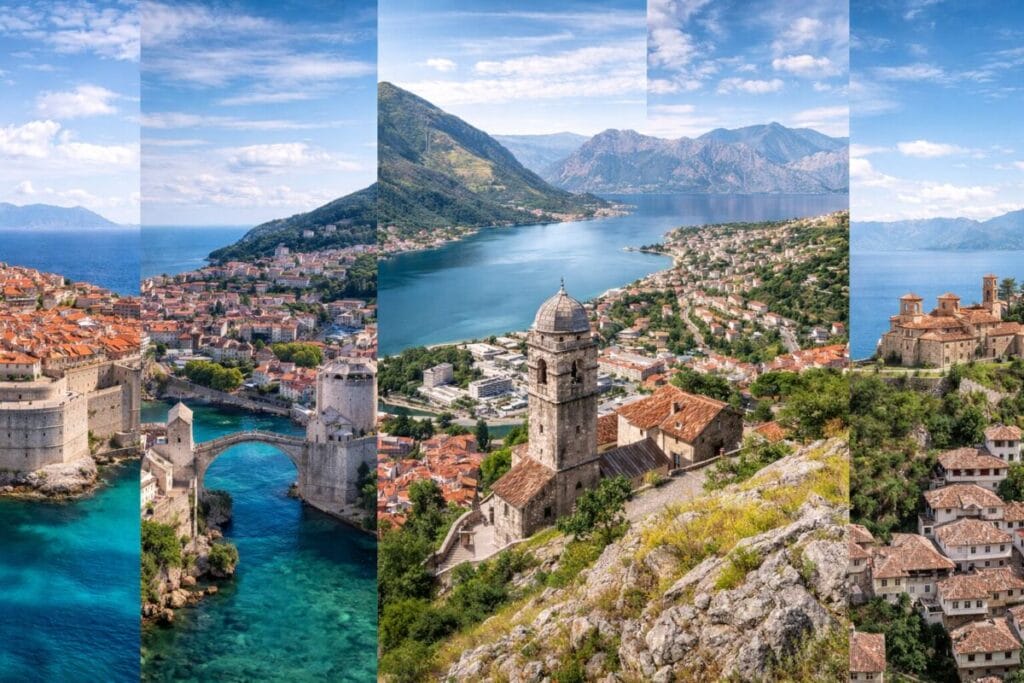
A new collaborative tourism vision across Southeast Europe is positioning the Balkans as one of the continent’s most dynamic emerging travel regions. Albania has joined forces with Bulgaria, Croatia, Montenegro, North Macedonia, Kosovo, Serbia, Slovenia, Romania, and Bosnia and Herzegovina to strengthen regional tourism promotion, highlighting the area’s cultural diversity, natural beauty, and evolving visitor experiences. This collective approach reflects a broader shift in European travel trends, as tourists increasingly look beyond traditional hotspots toward destinations offering authenticity, affordability, and unique heritage.
For decades, Europe’s tourism narrative was largely dominated by iconic capitals such as Paris, Rome, and Barcelona. However, the Balkans are now experiencing a significant resurgence, attracting travelers seeking less crowded environments, immersive cultural encounters, and diverse landscapes ranging from Adriatic coastlines to mountain national parks. The regional alliance aims to enhance visibility, improve connectivity, and promote cross-border travel itineraries that showcase the richness of Southeast Europe.
The Balkans: A Region Defined by Diversity and History
Geographically located at the crossroads of Europe, the Balkans stretch across a landscape bordered by multiple seas and shaped by centuries of historical influences. The region’s cultural identity reflects layers of Ottoman, Austro-Hungarian, Slavic, Mediterranean, and Byzantine heritage, creating a distinctive blend of architecture, cuisine, and traditions. Today, these diverse influences are becoming a major attraction for travelers interested in history, art, and multicultural experiences.
Tourism authorities across the region are emphasizing the Balkans as a single yet diverse destination, encouraging visitors to explore multiple countries during one trip. Improved transportation links and increasing international flights are helping make multi-country travel more accessible than ever before.
Croatia’s Continued Popularity Drives Regional Momentum
Croatia remains one of the most recognizable names in Balkan tourism, thanks to its scenic Adriatic coastline and well-preserved historic cities. Destinations such as Dubrovnik and Split continue to draw international visitors with their medieval streets, historic fortifications, and vibrant coastal lifestyle. The capital city, Zagreb, adds a cultural dimension with museums, festivals, and a relaxed urban atmosphere.
Croatia’s sustained success has played a key role in elevating awareness of neighboring countries. As travelers look for alternatives to crowded coastal hotspots, nearby destinations across the Balkans are benefiting from increased attention and visitor flows.
Montenegro and Bosnia and Herzegovina Offer Authentic Alternatives
Montenegro is gaining popularity for its dramatic natural scenery, where mountains descend toward the Adriatic Sea. The Bay of Kotor, often compared to a fjord, is becoming a favorite for travelers seeking stunning landscapes combined with historic architecture. The country’s compact size allows visitors to transition from coastal exploration to alpine adventures within a short distance.
Bosnia and Herzegovina, meanwhile, is attracting travelers interested in complex history and cultural resilience. Cities like Sarajevo and Mostar present a fascinating blend of Ottoman heritage, European architecture, and modern revival. Historic bridges, traditional markets, and local culinary traditions provide immersive experiences that highlight the region’s unique identity.
Albania’s Rapid Rise as a New Travel Star
Albania’s inclusion in the regional tourism strategy marks a significant milestone. Once relatively isolated, the country is now emerging as one of Europe’s fastest-growing destinations. Its capital, Tirana, combines colorful urban design, vibrant cafés, and a growing arts scene that appeals to younger travelers and digital nomads.
The Albanian Riviera is gaining international recognition for its crystal-clear waters, unspoiled beaches, and archaeological heritage sites. Mountain villages and historic towns such as Gjirokaster showcase traditional stone architecture and provide insight into the country’s rich cultural heritage. Albania’s affordability compared to other Mediterranean destinations is also contributing to its rising popularity among budget-conscious travelers.
North Macedonia, Serbia, and Kosovo Expand the Cultural Map
North Macedonia remains one of the region’s lesser-known destinations but offers strong appeal through historic landmarks and natural beauty. Lake Ohrid, known for its ancient churches and scenic shoreline, has become a major attraction for travelers seeking tranquility and history.
Serbia’s capital, Belgrade, stands out for its energetic nightlife, historical diversity, and creative culture. Outside the city, wine regions and historic towns provide opportunities for slow travel and cultural immersion. Kosovo, Europe’s youngest country, is emerging as a vibrant destination characterized by youthful energy, evolving cultural spaces, and growing adventure tourism.
Slovenia, Bulgaria, and Romania Showcase Variety
Slovenia blends Alpine landscapes, charming towns, and sustainable tourism initiatives, with destinations like Lake Bled becoming iconic symbols of European travel. Bulgaria offers an appealing mix of Black Sea beaches, ancient ruins, and mountain escapes, while cities like Sofia and Plovdiv present centuries of history alongside modern cultural development.
Romania adds another layer of diversity with medieval towns, castles, and natural scenery across the Carpathian Mountains. The capital, Bucharest, combines historical architecture with contemporary urban life, providing a dynamic entry point to the country’s cultural attractions.
A Unified Vision for Sustainable Tourism Growth
The joint promotion of Balkan tourism reflects a broader shift toward regional cooperation. By presenting the Balkans as a cohesive destination rather than separate markets, tourism leaders aim to attract long-haul travelers interested in multi-country itineraries. Sustainable tourism development is also becoming a priority, with efforts focused on protecting cultural heritage, supporting local communities, and promoting responsible travel practices.
This strategy aligns with changing travel preferences, where visitors increasingly prioritize authentic experiences, nature-based tourism, and cultural exploration over mass tourism.
The Balkans’ Future as Europe’s Emerging Tourism Powerhouse
As global travel continues to evolve, the Balkans are well positioned to become one of Europe’s most exciting destinations. The combination of rich heritage, scenic diversity, and competitive pricing offers strong appeal to modern travelers. With Albania’s participation strengthening regional collaboration, Southeast Europe is entering a new era of tourism growth.
The unified effort among Balkan nations signals a transformation in how the region is perceived internationally. Rather than remaining Europe’s hidden corner, the Balkans are stepping confidently into the spotlight, offering travelers a compelling alternative filled with discovery, authenticity, and unforgettable experiences.
For more travel news like this, keep reading Global Travel Wire