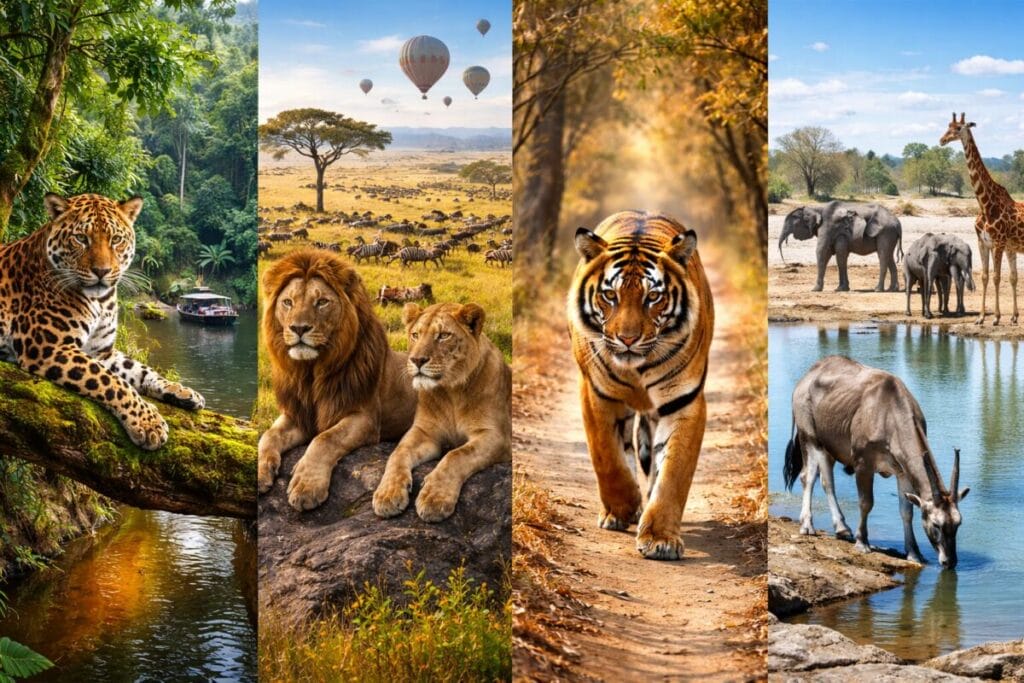
Safari tourism is experiencing a strong global resurgence as travelers seek immersive wildlife encounters and meaningful nature-based experiences. Countries including Brazil, Tanzania, Kenya, South Africa, Botswana, Sri Lanka, Namibia, and India are at the forefront of this growing trend, offering diverse ecosystems that range from African savannas and desert landscapes to tropical rainforests and Asian jungles. With conservation efforts gaining international attention and sustainable tourism initiatives expanding, these destinations are positioning themselves as premier gateways to some of the world’s most iconic wildlife habitats.
The renewed interest in safaris reflects a broader shift toward experiential travel. Modern travelers are increasingly prioritizing authentic encounters with nature, cultural immersion, and responsible tourism practices. From witnessing large-scale migrations to tracking elusive predators, safari experiences provide a powerful connection to the natural world while supporting conservation and local communities.
East Africa Remains the Heart of Classic Safari Adventures
Tanzania and Kenya continue to define traditional safari travel, thanks to their expansive national parks and extraordinary wildlife spectacles. The vast plains of Tanzania’s Serengeti and Kenya’s Masai Mara are globally renowned for seasonal migrations involving millions of wildebeest and zebras. This natural phenomenon attracts photographers, wildlife enthusiasts, and adventure travelers eager to witness dramatic predator-prey interactions and the rhythms of life in the wild.
These parks are also home to Africa’s iconic “Big Five” animals, making them ideal destinations for first-time safari travelers. Well-established conservation programs and guided experiences allow visitors to explore protected ecosystems while learning about biodiversity and environmental preservation.
Southern Africa Delivers Diverse Landscapes and Premium Safari Experiences
South Africa offers one of the most accessible safari experiences on the continent, particularly in expansive reserves where well-developed infrastructure allows for self-drive or guided adventures. Diverse habitats support a wide range of species, ensuring year-round wildlife viewing opportunities.
Botswana has gained a reputation for exclusive, high-quality safaris that emphasize low-impact tourism. Areas such as riverfront reserves and wetlands provide opportunities for boat-based wildlife viewing, allowing travelers to observe elephants, hippos, and birdlife from a unique perspective.
Namibia adds a contrasting environment to the safari landscape, with desert ecosystems that create striking visual backdrops. Salt pans, dry savannas, and strategically located waterholes attract wildlife in dramatic settings, offering exceptional photographic opportunities and a sense of remote wilderness.
Brazil Introduces a Different Kind of Safari in the Amazon
While African safaris often dominate global conversations, Brazil offers an entirely different experience within the vast Amazon rainforest. River expeditions and guided jungle walks introduce visitors to one of the most biodiverse ecosystems on Earth. Exotic wildlife such as jaguars, colorful birds, and rare primates can be observed within dense forest environments that feel both mysterious and vibrant.
Eco-tourism initiatives in the Amazon emphasize conservation and indigenous community involvement, providing travelers with opportunities to learn about traditional knowledge systems and environmental stewardship while exploring one of the planet’s most vital ecosystems.
India and Sri Lanka Showcase Asia’s Unique Wildlife Encounters
Asia’s safari offerings are gaining increasing recognition, particularly in India and Sri Lanka. India’s national parks and tiger reserves provide thrilling opportunities to spot Bengal tigers in their natural habitat. Landscapes range from dense forests and grasslands to river valleys, supporting a wide variety of wildlife including elephants, leopards, and diverse bird species.
Sri Lanka, though smaller in size, offers exceptional biodiversity within a compact geography. National parks known for leopard sightings and large elephant populations have become major draws for travelers seeking a safari experience outside Africa. The combination of wildlife encounters with cultural heritage sites allows visitors to enjoy a more varied itinerary.
Namibia and Botswana Highlight Conservation-Focused Tourism
Across the safari industry, sustainability and conservation are increasingly shaping how tourism is developed and experienced. Namibia’s community-based conservation initiatives have helped restore wildlife populations while supporting local livelihoods. Similarly, Botswana’s approach to limiting visitor numbers in certain areas helps preserve ecosystems and ensures more intimate safari experiences.
These strategies demonstrate how tourism can balance economic growth with environmental protection, providing long-term benefits for both wildlife and local communities.
A Growing Demand for Immersive Nature Travel
The rising popularity of safari tourism reflects changing traveler preferences in the post-pandemic era. Many visitors are seeking open spaces, outdoor activities, and meaningful experiences that foster a deeper connection with nature. Safaris offer opportunities to slow down, observe wildlife behaviors, and learn about conservation challenges facing ecosystems worldwide.
Technological advancements and improved infrastructure have also made once-remote destinations more accessible. Guided tours, eco-lodges, and educational programs help travelers engage responsibly while minimizing their environmental footprint.
Safari Tourism’s Future Looks Strong
As global interest in wildlife tourism continues to grow, countries across Africa, Asia, and South America are investing in sustainable tourism development, infrastructure improvements, and conservation partnerships. These efforts aim to preserve biodiversity while ensuring that tourism supports local economies and cultural traditions.
From the sweeping plains of East Africa to the lush Amazon rainforest and Asia’s tiger reserves, safari destinations offer unforgettable encounters that inspire respect for the natural world. Each region brings its own distinctive character, ensuring that travelers can experience diverse ecosystems and wildlife behaviors within a single journey.
The global safari landscape is evolving into a more inclusive and sustainable sector, inviting travelers to explore iconic habitats while contributing to their preservation. As interest in nature-based travel continues to expand, these destinations stand ready to deliver extraordinary adventures that combine excitement, education, and conservation in equal measure.
For more travel news like this, keep reading Global Travel Wire