Latvia is positioning its capital, Riga, as a leading European destination at a time when many cities are limiting visitor numbers. Authorities are actively promoting tourism growth while ensuring a balanced approach to infrastructure and visitor experience.
This strategy contrasts with restrictions seen in other parts of Europe. Instead of limiting arrivals, Latvia is expanding access and encouraging international travel. The move aims to strengthen tourism as a key driver of economic growth.
A Strategic Shift Toward Tourism Growth
Riga is becoming a focal point for Latvia’s tourism ambitions. Officials are investing in infrastructure and services to support increasing visitor numbers.
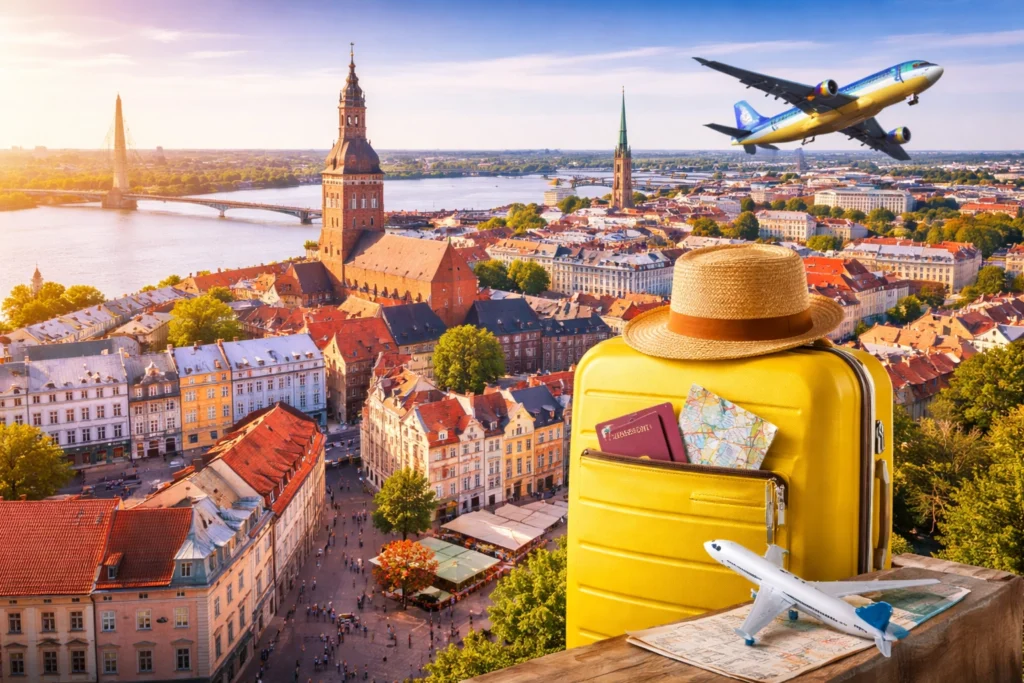
The city offers a mix of cultural heritage and modern attractions. Its historic Old Town, recognized as a UNESCO World Heritage site, continues to draw international interest.
Riga’s Art Nouveau architecture adds to its appeal. Visitors also benefit from a growing culinary scene and seasonal attractions such as Christmas markets.
Nearby destinations like Jurmala provide additional travel experiences. The coastal resort offers beaches and natural landscapes within easy reach of the capital.
Airport Expansion Drives International Access
Riga Airport (RIX) plays a central role in the city’s tourism growth. Authorities are working to expand flight connections and increase passenger capacity.
The airport is introducing incentives to attract new airlines. These measures aim to reduce operational risks for carriers launching new routes.
Low-cost carriers continue to expand their presence. At the same time, Latvia’s national airline is upgrading its fleet to improve connectivity.
A major terminal expansion project is also underway. This development will support higher passenger volumes and improve the overall travel experience.
Strengthening Riga as a Northern European Hub
Latvia aims to position Riga as a key aviation hub in Northern Europe. Improved connectivity will allow travelers to bypass congested airports in neighboring countries.
The city’s location offers strategic advantages. It serves as a bridge between Western Europe and emerging markets in the east.
Future infrastructure projects will further enhance connectivity. Rail developments are expected to link Riga more efficiently with Central Europe.
These improvements will create seamless travel options. They will also support both tourism and business travel growth.
Tourism Impact on Hotels and Local Economy
Rising visitor numbers are already influencing the hospitality sector. Hotels in Riga are reporting increased occupancy rates.
The city is also attracting more international events and conferences. This supports year-round tourism and reduces reliance on seasonal travel.
Local businesses benefit from higher tourist spending. Restaurants, cultural venues, and retail sectors are seeing increased demand.
This growth contributes to broader economic development. Tourism is becoming a central pillar of Latvia’s national strategy.
A Balanced Approach to Avoid Overtourism
Unlike other European cities, Riga is focusing on sustainable tourism growth. Authorities aim to increase visitor numbers without overwhelming local infrastructure.
Efforts include improving digital services and visitor management systems. These tools help maintain a high-quality travel experience.
The goal is to attract high-value travelers while preserving the city’s character. This approach ensures long-term sustainability for the tourism sector.
A Rising Destination in the European Travel Market
Riga is gaining recognition as a crowd-free alternative to traditional European hotspots. Travelers seeking authentic experiences are increasingly choosing emerging destinations.
The city’s affordability also adds to its appeal. Visitors can enjoy high-quality experiences at lower costs compared to Western Europe.
As travel trends evolve, Riga’s positioning aligns with changing preferences. Tourists are looking for destinations that offer both value and unique cultural experiences.
Outlook for Riga Tourism
Latvia’s long-term vision focuses on sustainable growth and improved connectivity. Investments in aviation and infrastructure will continue to shape the city’s future.
Riga is set to strengthen its position in the European travel market. The combination of accessibility, culture, and affordability supports this trajectory.
As more travelers seek alternatives to crowded destinations, Riga offers a compelling option. Its open approach to tourism positions it as one of Europe’s most promising emerging cities.
The city’s strategy reflects a broader shift in global travel. Destinations that balance growth with sustainability are likely to lead the next phase of tourism development.
For more travel news like this, keep reading Global Travel Wire