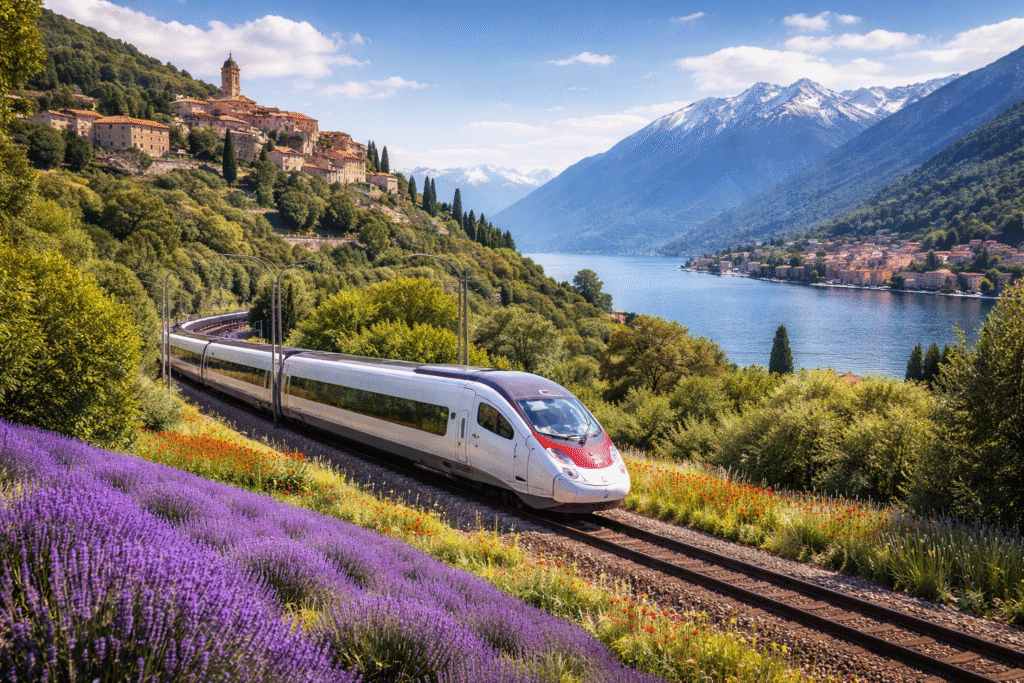
Spain and France stand out as the most popular European destinations for North American travelers in 2025. Travelers increasingly choose scenic rail journeys over short flights. Rail travel allows deeper cultural immersion and a slower travel pace.
Both countries combine iconic cities, diverse landscapes, and efficient rail networks. These factors create ideal conditions for multi-city exploration. As a result, Spain and France continue to attract rail-focused travelers from the United States and Canada.
Rail Travel Shapes Modern European Exploration
Rail travel now defines how North Americans explore Europe. Trains connect major cities with countryside regions and smaller towns. Travelers enjoy stress-free journeys without airport congestion.
Rail networks across Spain and France offer high-speed and regional services. These routes link cultural capitals with coastal, alpine, and rural destinations. Travelers appreciate comfort, reliability, and scenic views throughout the journey.
Iconic Cities Remain Central to Travel Plans
Major European cities continue to anchor travel itineraries. Barcelona, Madrid, Paris, and Seville attract strong interest from North American visitors. These cities offer world-famous landmarks, museums, and dining scenes.
Rail connections between these cities provide fast and frequent services. Travelers often use rail as their primary transport method. This preference allows smooth transitions between destinations without logistical challenges.
Lesser-Known Destinations Gain Strong Momentum
Beyond famous cities, quieter destinations attract growing attention. Towns such as Annecy, Bordeaux, Lucerne, Bolzano, and Zermatt see increased bookings. These locations offer lakes, vineyards, mountains, and historic charm.
Rail journeys suit these destinations perfectly. Travelers enjoy gradual landscape changes and relaxed arrival experiences. This trend reflects demand for authenticity and slower travel rhythms.
Flexible Itineraries Define Traveler Behavior
North American travelers show a strong preference for flexibility in 2025. One-way rail tickets dominate booking patterns. Travelers often design open-ended routes across several countries.
Many visitors combine multiple rail segments into one itinerary. This approach allows spontaneous exploration and personalized pacing. More than one-quarter of travelers book tickets within a week of departure.
Summer trips still require advance planning. Most travelers book summer rail journeys two to three months ahead. Rail operators release schedules within these windows, guiding booking behavior.
Spain Emerges as a Rail Travel Powerhouse
Spain continues to attract rail travelers through its extensive high-speed network. The Barcelona to Madrid route accounts for a large share of North American rail journeys. Frequent departures and short travel times boost demand.
Travelers also explore southern and eastern regions. Cities such as Granada, Seville, and Valencia attract visitors seeking history, cuisine, and sunshine. Rail travel supports easy access to these culturally rich destinations.
Spain’s rail system connects coastal cities with inland regions efficiently. This accessibility encourages travelers to move beyond traditional itineraries.
France Strengthens Its Rail Tourism Appeal
France remains a cornerstone of European rail tourism. Paris continues to serve as a primary entry point for North American visitors. From Paris, travelers reach nearly every region by train.
Cities such as Lyon, Bordeaux, Marseille, and Nice experience strong growth. High-speed trains allow fast connections between regions. Travelers value the ease of combining urban exploration with countryside visits.
France’s rail network also supports cross-border travel. Visitors often continue journeys into Switzerland, Italy, or Spain. This connectivity enhances France’s appeal within multi-country itineraries.
Cross-Border Journeys Drive Growth
Cross-border rail travel continues to rise in 2025. North American travelers increasingly explore several countries in one trip. Rail networks simplify these journeys without added complexity.
More than half of travelers combine multiple routes in a single booking. This trend reflects confidence in rail systems and digital booking tools. Travelers enjoy the freedom to shape unique European experiences.
Seasonal Shifts Influence Travel Timing
Travel seasonality shows clear changes. Many travelers avoid peak summer months. Nearly one-third choose cooler seasons for European rail trips.
Spring and autumn travel offer fewer crowds and lower costs. Scenic rail journeys remain enjoyable year-round. These seasonal shifts help distribute tourism more evenly across the calendar.
Rail Travel Aligns with Sustainable Tourism Goals
Rail travel supports sustainable tourism objectives across Europe. Trains produce lower emissions than air travel. Governments and tourism boards promote rail as an eco-friendly option.
North American travelers increasingly consider environmental impact. Rail journeys align with values of responsible travel and cultural respect. This alignment strengthens long-term demand.
Outlook for European Rail Tourism in 2026
Looking ahead, demand for rail travel across Europe will continue to grow. Spain and France remain central to this trend. Travelers seek immersive experiences over rushed sightseeing.
Multi-city routes, lesser-known destinations, and flexible travel plans will shape future demand. Rail travel offers the ideal foundation for these preferences.
Spain and France continue to lead by combining infrastructure, culture, and scenery. For North American travelers, rail journeys across these countries deliver depth, comfort, and discovery.
For more travel news like this, keep reading Global Travel Wire