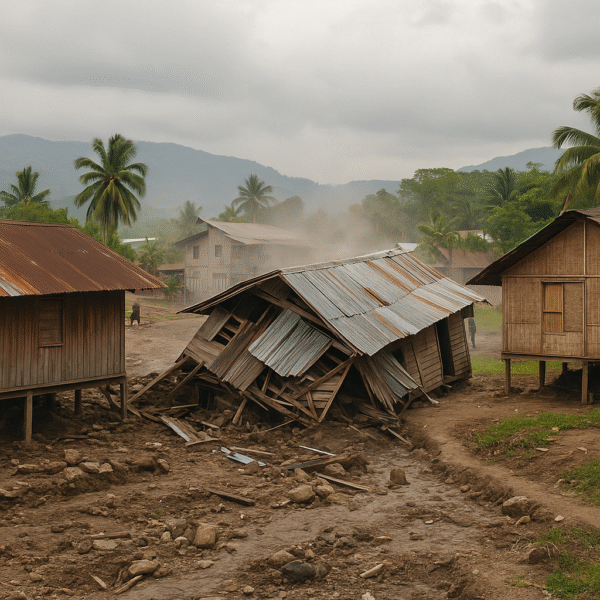
A 5.3-magnitude earthquake struck Indonesia’s Papua province early today around 6:45 AM local time. The tremor centered southeast of Jayapura, the provincial capital, and rattled many districts across the region.
Although urban areas like Jayapura have reported minimal damage so far, more remote tourist zones feel the tremors more acutely. Many travelers and tour operators are now assessing how safe continued travel is.
Affected Regions and Tourist Zones
The quake’s reach extended beyond Jayapura. Visitors to Papua National Park, Baliem Valley, and Wamena may feel aftershocks or disruptions. The region’s rugged terrain and limited infrastructure make assessing damage in remote areas slow and challenging.
Tourist lodges, trekking routes, and village access roads are potential flashpoints. In places with weak communications, both locals and guests may wait longer for help or guidance.
Why Papua Experiences Earthquakes
Papua lies on the Pacific Ring of Fire, a zone of intense seismic activity. The collision between the Indo-Australian Plate and the Pacific Plate often triggers tremors. Although a quake of 5.3 is moderate, the chance of aftershocks remains high for days after the main event.
Authorities constantly monitor seismic activity to predict further quakes. Travelers should stay alert, especially in buildings that may weaken over time.
Government and Disaster Response Moves Swiftly
Indonesia’s disaster response agency activated emergency protocols post-quake. Rescue and assessment teams are in motion, focusing on vulnerable zones and remote tourist spots.
For visitors needing assistance, officials are coordinating with travel and hospitality providers. Evacuation aid, temporary shelter, and guidance on safe routes are among the top priorities.
Tsunami warnings have not been issued, but authorities caution against lingering near coasts until officials clear the risks.
Impacts on Travel Operations
Flight schedules, road traffic, and local transport may see delays or cancellations. Some mountain passes or rural roads may be blocked by landslides or debris.
Hotels and guesthouses are checking structural integrity. In some cases, travelers may be asked to relocate or delay departure. Tour operators are re-routing itineraries or pausing treks until safety is confirmed.
What Tourists in Papua Should Do Now
- Stay informed: Monitor local announcements and government advisories.
- Avoid high-risk zones: Keep away from damaged or unstable buildings.
- Follow evacuation orders: Act promptly when asked to leave.
- Expect aftershocks: Be ready for minor tremors following the main quake.
- Check transport status: Before moving, confirm flights, buses, bridges, and roads.
- Confirm lodging safety: Ensure your accommodation has passed structural checks.
- Limit travel to remote areas: Until conditions stabilize, avoid venturing into high-risk zones.
- Have contingency plans: Be ready to extend your stay or change plans if needed.
Should You Visit Papua Now?
Authorities and international travel advisories already suggest avoiding nonessential travel to parts of Papua due to the combined risks of security issues, seismic activity, and unstable infrastructure. Many governments recommend exercising high caution in Papua and neighboring regions.
For travelers with scheduled trips, it’s wise to consult your tour operator or embassy, and monitor evolving advisories. If your trip is flexible, consider postponing visits to villages or mountain zones until conditions improve and inspections clear routes.
Final Word
The quake in Papua, Indonesia, serves as a stark reminder that nature can disrupt even the most carefully planned trips. While major damage appears limited in urban centers, remote tourist destinations remain vulnerable.
If you are already in the region, prioritize safety, heed local authorities, and stay ready to adapt plans. If your visit is upcoming, monitor conditions closely, maintain communication with service providers, and reconsider high-risk destinations until the area stabilizes.
Travelers must remain vigilant, flexible, and safety-first in the aftermath of this seismic event.
For more travel news like this, keep reading Global Travel Wire