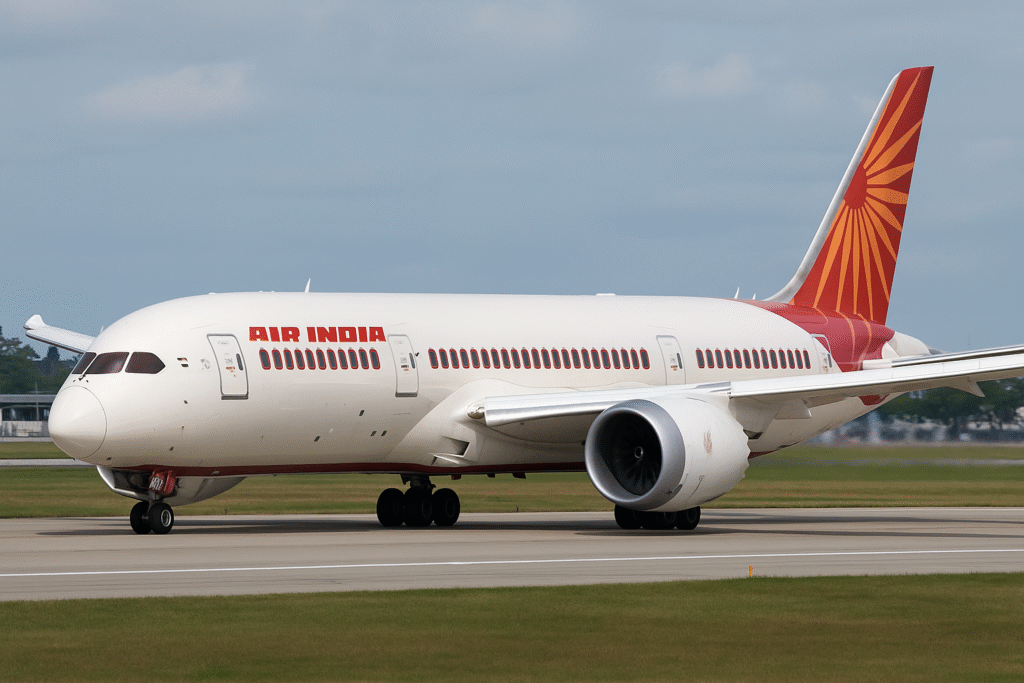
In a bold move to deepen its footprint in Southeast Asia, Air India is dramatically ramping up flights to two of the region’s top tourist magnets: Bali (Denpasar) and Kuala Lumpur. The airline will add 174 new weekly flights across domestic and short-haul international routes under its Northern Winter 2025 schedule.
Expanded Services to Bali and Kuala Lumpur
From November 15, 2025, Air India will increase the Delhi–Kuala Lumpur route frequency from 7 to 10 flights per week. Starting December 1, 2025, the Delhi–Denpasar (Bali) service will also jump from 7 to 10 weekly flights.
These added services offer travelers far more flexibility, better timing options, and improved access to both tropical escapes and urban hubs across Southeast Asia.
Why This Matters for Tourism
Bali is regaining momentum as its tourism rebounds strongly. More flights mean wider choice for holidaymakers drawn to its beaches, cultural sites, and natural beauty.
Kuala Lumpur, meanwhile, stands at the crossroads of modern cityscapes and traditional heritage. Enhanced flight options ease access for business and leisure travelers alike.
This uptick in connectivity is timely. Government forecast and tourism bodies across Indonesia and Malaysia have pointed to growing demand from Indian travelers. Malaysia, for example, aims to welcome one million Indian visitors in a year— and direct flight options make that goal more attainable.
Domestic Network Gains Too
These international expansions come along with major upgrades to Air India’s domestic network. From October 26, 2025, the airline will:
- Launch new routes: Delhi–Jaipur (3 daily), Delhi–Jaisalmer (2 daily).
- Increase frequencies: Delhi–Udaipur, Mumbai–Jaipur, Mumbai–Udaipur, Mumbai–Jodhpur.
- Boost connections to Madhya Pradesh and Gujarat: Delhi–Indore, Delhi–Bhopal, Mumbai–Indore, Mumbai–Bhuj, Delhi–Rajkot.
- Scale regional routes: Delhi to cities like Varanasi, Raipur, Port Blair, Guwahati, Aurangabad, Nagpur; and Mumbai to Dehradun, Patna, Amritsar—all will see frequency bumps.
The combined domestic and international expansion seeks to improve travel accessibility across India and to high-demand hubs in Southeast Asia.
Improved Fleet & Passenger Experience
To support this expansion, Air India has nearly completed its retrofit programme for its legacy A320neo aircraft. Of 27 such planes, 26 now sport new interiors with three-class seating: Business, Premium Economy, and Economy. The carrier now runs over 100 A320 family jets with modern cabin features on more than 80 domestic and regional routes.
The upgrade initiative enhances comfort, offers better service consistency, and aligns with Air India’s broader strategy under its transformation plan.
Implications for Travelers & Tourism Markets
For tourists, the expansion means more choices, better pricing competition, and greater convenience.
Bali and Kuala Lumpur stand to draw increased visitor numbers, aided by more frequent services and simplified connections. Local tourism businesses—hotels, tour operators, attractions—can expect increased flows, especially from Indian markets.
On a strategic level, the move cements Air India’s ambition to play a major role in India’s aviation revival and regional connectivity. The airline is positioning itself to capture a greater share of traffic on routes linking India and Southeast Asia.
Bottom Line
By boosting services to Bali and Kuala Lumpur while strengthening the domestic network, Air India is reshaping its route map toward emerging travel corridors. Tourists will enjoy richer options and greater convenience. Bali and Kuala Lumpur may see revived tourism growth fueled by this enhanced link. And for Air India, the expansion confirms its vision to become a stronger global carrier with deep regional reach.
For more travel news like this, keep reading Global Travel Wire