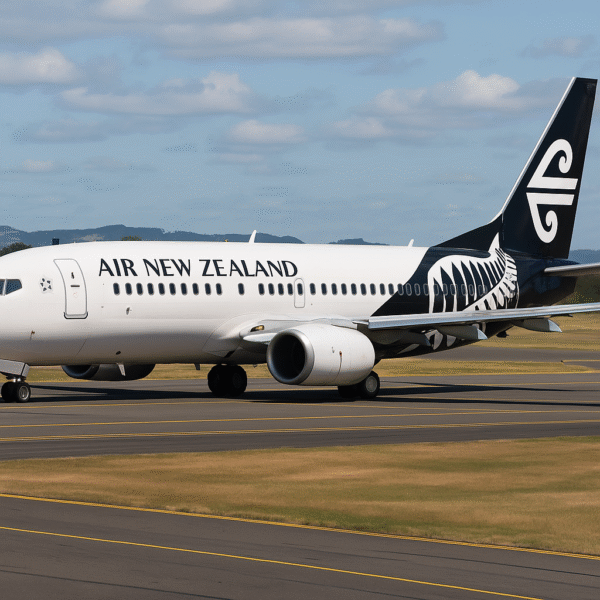
Air New Zealand is preparing for one of its most ambitious domestic expansions as the country braces for a surge in travel demand. The airline plans to add more than 50,000 extra seats between March and October 2026. This move aims to improve connectivity, ease pressure on popular routes, and support New Zealand’s fast-growing tourism and business travel sectors.
The expansion will reshape how travelers move across the country. It will also strengthen access to major tourism hubs and regional destinations known for culture, nature, and adventure. With more flights and stable fares, the airline is signaling confidence in New Zealand’s travel recovery and long-term tourism growth.
Surge in Travel Leads to Major Domestic Upgrade
New Zealand has seen rising domestic travel since the return of global tourism. Visitor arrivals continue to grow, and local travel remains strong year-round. Air New Zealand’s latest capacity increase aims to keep up with this demand and reduce pressure during peak seasons.
The airline confirmed that fares will remain unchanged in 2026. This ensures travelers benefit from added convenience without facing higher costs. The focus is on providing more options, more frequency, and smoother connectivity between key cities and regional centers.
Auckland–Queenstown Route Receives the Largest Boost
Queenstown remains one of the most popular destinations in the country. Demand spikes during both winter and summer seasons as visitors head to the region for skiing, adventure sports, and lakeside holidays.
To support this growing market, Air New Zealand will add 50,000 extra seats on Queenstown services in 2026. The Auckland–Queenstown sector alone will see a 9% increase in flights, giving travelers more departure times and reducing crowding during busy periods.
The extra capacity is expected to improve travel planning for both domestic explorers and international visitors connecting through Auckland.
Auckland–Christchurch Services Strengthened
Christchurch, a major gateway to the South Island, will see a significant 4% increase in available seats on the Auckland–Christchurch route. This route is vital for business travel, tourism, and inter-island connectivity.
The added flights will support ongoing economic activity in both cities and ensure smoother travel for passengers heading to wider South Island destinations. It will also help strengthen connections to smaller regional centers via Christchurch Airport.
Regional Connectivity Receives Major Investment
Regional travel continues to play a major role in New Zealand’s tourism economy. In 2026, Air New Zealand will expand seat capacity by 7% on the Auckland–Rotorua and Auckland–Blenheim routes.
Rotorua
Rotorua attracts thousands of visitors every month with its geothermal attractions, Maori cultural experiences, and outdoor activities. Increased flight options will make the city more accessible during high-demand events and holiday seasons.
Blenheim
Blenheim, the heart of the Marlborough wine region, remains a top destination for food and wine tourism. More seats will make it easier for travelers to reach wineries, scenic trails, and coastal attractions in the region.
Daily Christchurch–Hamilton Flights Begin February 2026
A major update comes with the Christchurch–Hamilton route. From 9 February 2026, Air New Zealand will operate daily services, adding a 17% increase in seats.
Hamilton is a key economic hub in the Waikato region. Daily flights will support business travel, tourism, and regional events. The route also benefits South Island travelers looking for faster access to central North Island attractions.
Christchurch Gains 25,000 Extra Seats Across Multiple Routes
Christchurch will be at the center of the expansion, receiving over 25,000 additional seats across several regional services. These include flights to:
- Napier
- Nelson
- Rotorua
- Tauranga
- Invercargill
This increase strengthens Christchurch’s role as an inter-island travel hub. It also boosts access to major destinations such as Hawke’s Bay wineries, Nelson’s beaches, Tauranga’s coastal attractions, and Southland’s scenic landscapes. The additional capacity supports tourism growth and provides locals with more reliable travel options year-round.
Stable Prices Despite Growth
One of the most important announcements is that Air New Zealand will not raise fares despite the major expansion. This ensures passengers gain better access and flexibility without paying more. The decision supports the airline’s strategy to keep domestic travel affordable and competitive.
Stable pricing is expected to encourage more frequent travel, benefiting both tourism operators and local communities.
A Boost for New Zealand’s Tourism Future
The 2026 expansion reinforces Air New Zealand’s commitment to strengthening domestic tourism and supporting regional development. With new seats, new frequencies, and better access to high-demand destinations, the airline is ensuring travelers can explore more of the country with ease.
The move also comes as New Zealand continues to attract international visitors drawn to its natural scenery, cultural heritage, adventure experiences, and sustainable tourism initiatives. Increased domestic connectivity will make it easier for overseas travelers to explore multiple regions in a single trip.
As the country looks ahead to 2026 and beyond, this expansion is set to play a vital role in shaping a stronger, more accessible, and more connected New Zealand travel network.
For more travel news like this, keep reading Global Travel Wire