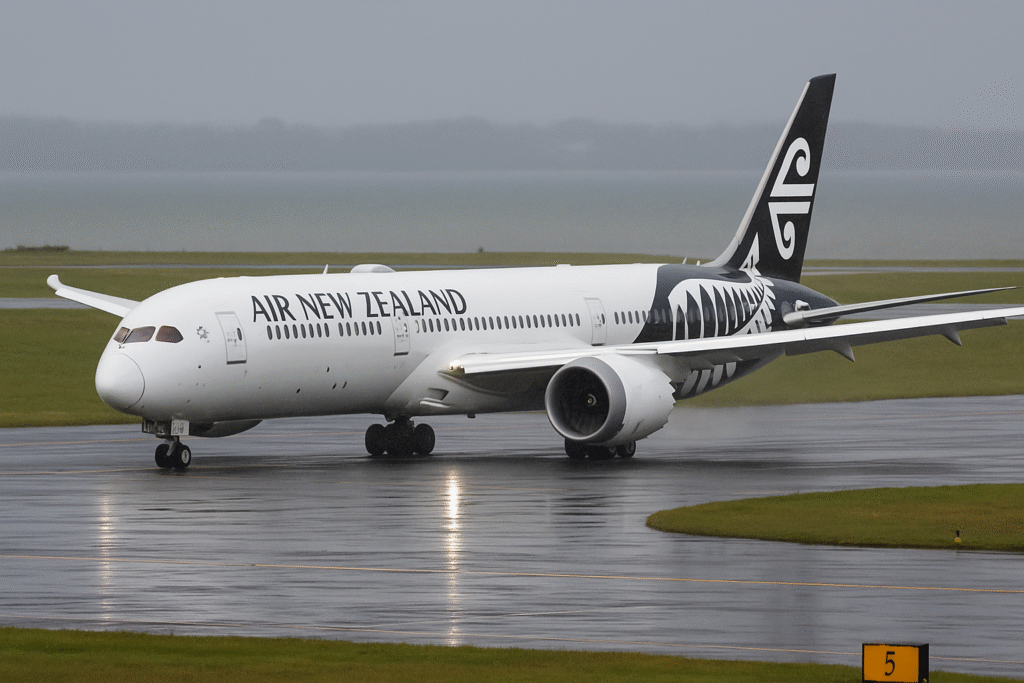
Air New Zealand passengers on Flight NZ946 expected a smooth journey from Auckland to Avarua. Instead, they lived through an exhausting eight-hour ordeal that tested nerves and highlighted the unpredictable nature of Pacific weather. The flight, operated by a Boeing 787-9, departed Auckland mid-morning with clear skies. But conditions in the Cook Islands deteriorated faster than expected, throwing the flight off course and forcing pilots into critical decisions.
The flight’s return to Auckland triggered widespread frustration among travellers and caused further disruption at Auckland Airport. As many passengers searched for new arrangements, the event also raised questions about weather preparedness and the complexities behind aviation decision-making.
Fierce Winds in Avarua: Why Two Landing Attempts Failed
Pilots encountered extreme weather as they approached Avarua. Strong crosswinds, gusting close to the operational limits for safe landing, made descent risky. According to standard aviation guidelines, crosswinds above safe thresholds compromise aircraft stability. On this day, the winds proved too powerful.
The crew attempted to land twice, only to abandon both approaches due to low visibility and unsafe wind conditions. Turbulence intensified as the aircraft entered a holding pattern. For nearly 30 minutes, the plane circled at a safe altitude as the crew assessed their next move. Fuel levels were falling, and the window for another attempt closed quickly.
With no break in the weather and fuel dipping toward minimum reserves required for diversion, the captain took decisive action: the flight would return to Auckland.
The Turnaround: Inside the Crew’s High-Pressure Decision
A turnaround of this scale is never taken lightly. Safety protocols require the flight crew to evaluate several factors—weather forecasts, fuel reserves, alternate airports, and passenger safety. In this case, nearby alternatives did not offer better weather conditions, and Auckland remained the safest option.
The return journey added hours of flight time. Passengers grew anxious as the aircraft remained in the air longer than expected. Although the crew kept passengers informed, the tension was inevitable. Still, the flight operated within global aviation safety standards, where the wellbeing of those on board outweighs schedule or convenience.
Emergency Landing Back in Auckland
When NZ946 finally touched down in Auckland, it did so under an “emergency landing” classification due to fuel levels and the lengthy duration of the flight. Emergency landings do not always signal danger—often, they indicate precaution. In this case, it ensured the aircraft received immediate priority on arrival.
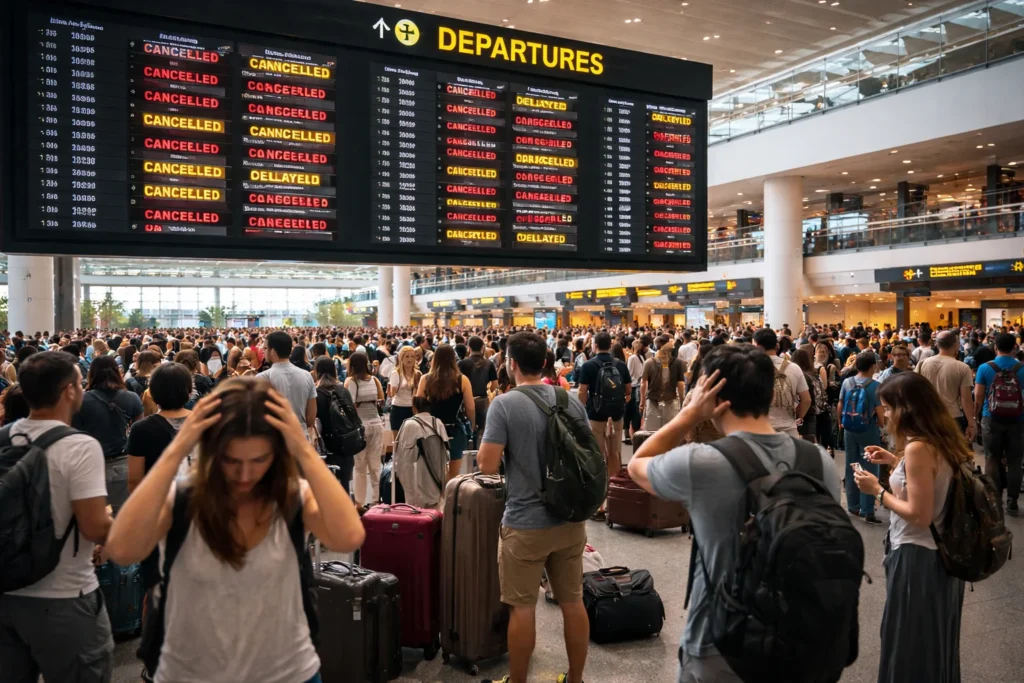
Passengers, tired and frustrated, disembarked into a terminal bustling with other weather-related delays. For many, onward travel became uncertain.
Passengers Stranded: Air New Zealand Responds with Support
With limited flights to Avarua and unpredictable weather patterns, many passengers faced unexpected stayovers. Air New Zealand moved quickly to assist. The airline arranged accommodation for eligible travellers, provided meal vouchers, and offered immediate rebooking support.
The airline’s ground team worked extended hours to help passengers adjust their travel plans. Some secured seats on the next available flight, while others waited for weather clearance in the Cook Islands before travel could resume.
Though frustrations ran high, many acknowledged that the airline prioritised safety over schedule—a principle central to aviation standards worldwide.
Why Air New Zealand’s Safety Approach Matters
Air New Zealand has long maintained a safety-first operational culture. This event reinforced that reputation. Choosing to turn back, rather than continue attempting a dangerous landing, highlighted a commitment to responsible decision-making. Aviation authorities across the Pacific routinely emphasise similar protocols, especially during cyclone seasons when weather patterns shift rapidly.
The incident also underscores how complex pilot decisions become during severe weather. Even with modern aviation technology, nature remains unpredictable. Pilots must balance technical capability with real-time risk assessment, often making difficult calls in minutes.
Impact on Cook Islands Tourism
Avarua relies heavily on steady tourist arrivals. Any flight disruption affects hotel bookings, tour schedules, and local businesses. While this incident created a temporary setback, such events are familiar within island nations where weather influences aviation more significantly.
Tourism operators in the Cook Islands are accustomed to rapid operational shifts. As soon as conditions improve, flights resume and travellers continue their journeys. The Cook Islands tourism board consistently works with airlines to maintain reliable travel during high-travel seasons.
What Travellers Can Learn from Flight NZ946
This incident offers important lessons for travellers:
Weather Is a Major Factor in Air Travel
Flights across the Pacific often face fast-changing weather systems. Even advanced forecasts may not predict sudden shifts.
Delays Are Sometimes Safety Measures
A delay or diversion is not a failure—it’s often a sign that the airline is protecting passengers from risk.
Stay Prepared for Changes
Flexible itineraries, travel insurance, and awareness of local weather seasons help minimise disruption.
Conclusion: Safety Takes Priority When Skies Change
Air New Zealand Flight NZ946 will be remembered as a long, stressful journey that tested passenger resilience. Yet it also demonstrated the airline’s commitment to safety and responsible decision-making. While passengers faced delays and inconvenience, everyone returned safely to Auckland. As tourism in the Cook Islands rebounds and flights resume, this event stands as a reminder that safety must always come first—no matter how unpredictable the skies become.
For more travel news like this, keep reading Global Travel Wire