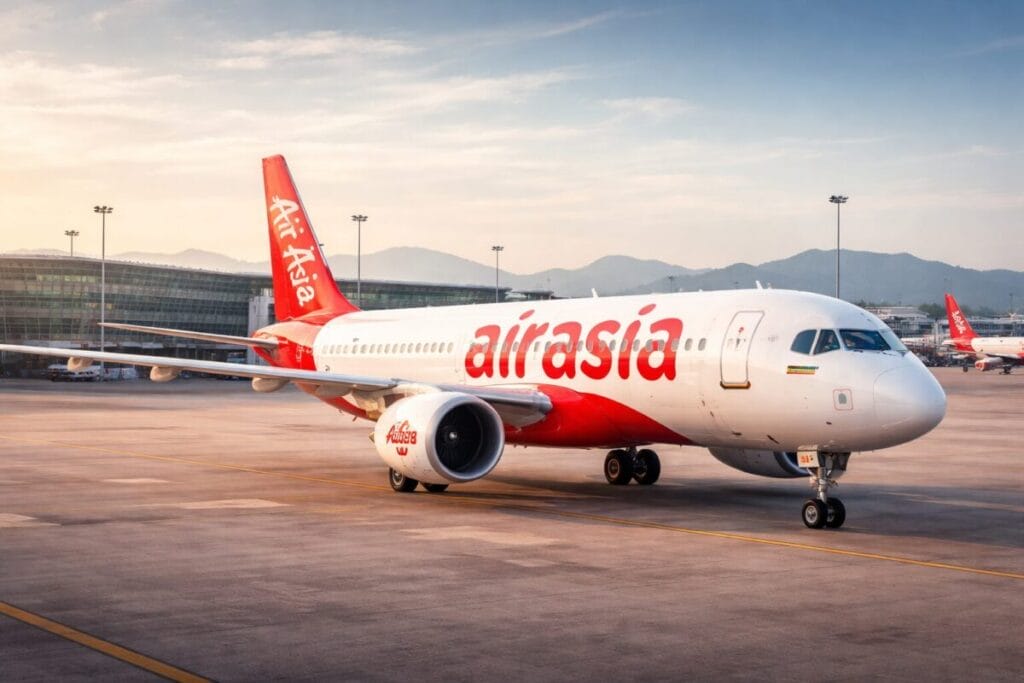
AirAsia is moving closer to finalizing a historic order for 100 Airbus A220 aircraft. If completed, this would mark the airline’s first entry into the regional jet segment. The decision reflects a clear shift in fleet strategy after more than two years of evaluations and negotiations with aircraft manufacturers.
The move signals more than fleet expansion. It shows how AirAsia is preparing for changing travel behavior, evolving demand patterns, and long-term network resilience. Regional jets would allow the airline to serve markets that remain underserved by larger aircraft.
A Strategic Shift Toward Regional Jets
AirAsia has built its success on high-density, single-aisle aircraft optimized for volume-driven routes. The potential introduction of the A220 changes that model. The aircraft offers lower capacity, longer range, and improved efficiency for short- and medium-haul routes.
This shift allows AirAsia to focus on frequency instead of pure volume. More flights on thinner routes create flexibility and open new city pairs. Routes that were once commercially unviable could now support regular service.
Regional jets also reduce risk during demand fluctuations. Airlines can adjust capacity faster while keeping costs under control.
Expanding Network Flexibility and Route Options
The A220 enables AirAsia to connect secondary cities directly. These routes often rely on hub connections or face limited service. Direct flights reduce travel time and improve passenger convenience.
This strategy aligns with growing demand for point-to-point travel. Travelers increasingly seek direct access to destinations without long layovers. Regional jets help airlines respond to this preference while maintaining cost discipline.
The added flexibility also supports seasonal demand. Aircraft can rotate between leisure, business, and mixed-demand routes with ease.
Unlocking New Tourism Destinations
The impact on tourism could be significant. Regional aircraft make it easier to serve emerging destinations that lack the passenger volume needed for larger planes. These destinations often include smaller cities, island gateways, and developing tourism zones.
Direct air access supports hotel investment, local employment, and destination branding. Tourism boards benefit from increased visibility and improved visitor flows.
Spreading traffic beyond major hubs also helps manage overtourism. Balanced growth strengthens regional economies and improves visitor experiences.
Sustainability Drives Long-Term Competitiveness
Fuel efficiency and emissions performance play a growing role in airline planning. The A220 consumes less fuel per seat compared to older aircraft in its class. Lower emissions support compliance with future environmental standards.
For AirAsia, sustainability and affordability must coexist. More efficient aircraft help control operating costs while keeping fares competitive. This balance becomes critical as fuel prices, regulatory pressure, and carbon costs increase.
Environmentally conscious travelers also influence airline choice. A modern fleet improves brand perception and supports long-term customer loyalty.
Confidence in Regional Travel Demand
AirAsia’s extended evaluation period reflects confidence in sustained regional travel growth. Rising incomes, urban expansion, and improved airport infrastructure continue to support short-haul demand across Asia.
Reports of additional purchase options suggest long-term planning beyond immediate needs. The airline appears focused on aligning capacity growth with economic development and mobility trends.
Regional routes often recover faster during downturns. This resilience makes them attractive for future-focused airlines.
Industry-Wide Implications for Low-Cost Carriers
A confirmed A220 order from a major low-cost airline would influence industry thinking. Many budget carriers face similar network constraints with larger aircraft. Regional jets offer a solution without abandoning low-cost principles.
Such a move could accelerate fleet diversification across the sector. Increased competition may follow on secondary routes, improving connectivity and pricing for travelers.
Aircraft manufacturers may also respond with more tailored offerings for low-cost operators.
Economic and Mobility Benefits Beyond Aviation
Improved regional air links support broader economic goals. Businesses gain faster access to new markets. Labor mobility increases. Trade and cultural exchange strengthen.
Governments across Asia continue to invest in regional airports and tourism infrastructure. Airlines with the right aircraft can support these national development plans more effectively.
Aviation remains a catalyst for inclusive growth when connectivity reaches beyond major cities.
A Defining Bet on the Future of Short-Haul Travel
AirAsia’s potential Airbus A220 deal represents a strategic bet on the future of regional and short-haul travel. The move prioritizes flexibility, efficiency, and sustainable growth over sheer scale.
If finalized, the order could mark the beginning of a new phase for AirAsia. It may also reshape how low-cost airlines approach network planning and tourism connectivity.
The decision reflects a clear message. The future of aviation growth lies in smarter capacity, stronger regional links, and adaptable networks built for changing traveler needs.
For more travel news like this, keep reading Global Travel Wire