Saudi Arabia is rapidly emerging as one of the most dynamic tourism markets in the world. Major global airlines and international hotel chains are expanding their presence, fueling unprecedented growth in aviation, accommodation, and visitor services. Since the launch of Vision 2030, tourism has become a strategic economic pillar for the Kingdom and one of the fastest-growing sectors in the Middle East.
Airlines Strengthen Connectivity to the Kingdom
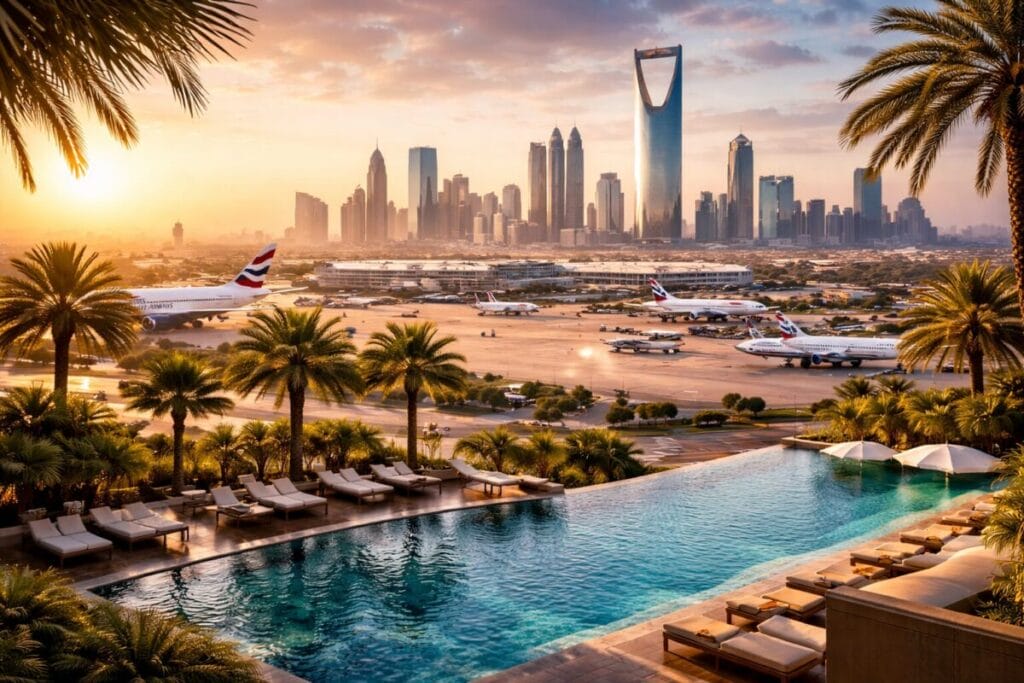
Leading regional airlines such as Emirates, Saudia, Qatar Airways, and Etihad are increasing flight frequencies and opening new routes to major Saudi cities. This expansion enhances global accessibility for both leisure and religious travelers.
Emirates continues to connect Saudi Arabia with Europe, Asia, and Africa through its Dubai hub. Demand for travel into Saudi Arabia has risen as more visitors explore religious sites, cultural destinations, and new entertainment venues.
Saudia, the Kingdom’s national carrier, is in the middle of a fleet modernization program and network expansion plan that supports year-round travel. Traffic spikes during Hajj and Umrah seasons highlight the importance of reliable aviation capacity. Saudia also connects domestic destinations, making travel inside the Kingdom easier for tourists.
Qatar Airways and Etihad contribute by expanding direct routes to Riyadh, Jeddah, and Dammam. Their global networks bring travelers from long-haul markets where Saudi Arabia is attracting new interest, including North America and East Asia.
Growing connectivity helps position the Kingdom as a regional travel hub. It also aligns with government goals to attract 100 million annual visits in the coming years, a key target under Vision 2030.
Hospitality Sector Races to Match Demand
The accommodation sector is undergoing major expansion to keep pace with rising visitor numbers. Marriott International plans to add more than 2,700 new rooms across Jeddah, Makkah, and Madinah through collaborations with local partners.
New properties include luxury hotels, midscale brands, and extended-stay offerings. This diverse mix reflects the range of travelers coming to the Kingdom, from short pilgrimage trips to longer business stays.
Makkah and Madinah remain central pilgrimage destinations, welcoming millions of visitors every year. Additional room capacity helps ease pressure during peak seasons, while also improving the quality of services for international guests.
Saudi Arabia has also seen growth from other leading hotel groups. Hilton, Accor, and IHG are expanding in key cities and developing resorts in coastal destinations. Extended-stay hotels and serviced apartments are becoming popular in business hubs such as Riyadh, reflecting shifts in traveler preferences.
The government’s strategy aims to create hospitality infrastructure that competes globally, with world-class standards and diversified accommodation options.
Vision 2030 Transforms Tourism Landscape
Saudi Arabia’s tourism goals extend beyond pilgrimage and business travel. Vision 2030 seeks to diversify the economy, increase international visits, and open the Kingdom to wider cultural and leisure tourism.
Strategic projects currently under development include:
- NEOM — a futuristic smart city on the Red Sea
- The Red Sea Project — luxury resorts along protected coasts and islands
- Diriyah Gate — cultural restoration of historic areas near Riyadh
- Al-Ula — heritage and archaeological tourism with global appeal
These developments introduce new categories of tourism, including adventure, heritage, entertainment, and eco-tourism. They also support domestic tourism, appealing to Saudi residents who traditionally traveled abroad for entertainment and leisure.
Travel Demand Continues to Climb
Airline data from recent years indicates substantial increases in traffic to Saudi airports. Religious travel remains a cornerstone of inbound tourism, with millions performing Hajj and Umrah annually. At the same time, leisure tourism is expanding as international perceptions shift and travel restrictions ease.
To support this growth, Saudi Arabia has introduced simplified visa pathways, including:
- e-Visas
- Tourist visas
- Event-linked entry permits
- Visa-on-arrival programs for select nationalities
These visa reforms reduce barriers to entry and align the Kingdom with global tourism standards.
Why This Matters for Global Travel
The surge in Saudi tourism has ripple effects across the aviation, hospitality, and retail industries. Airlines benefit from higher route efficiency, while hotel groups gain access to long-term growth markets. Travel agencies, tour operators, and event organizers also experience increased activity.
Saudi Arabia’s emergence as a tourism hub also enhances competition within the Middle East. With the UAE and Qatar already established as global travel centers, the Kingdom’s rise introduces new choices for international travelers.
A Destination Poised for the Future
With airlines expanding connectivity and global hotel brands scaling capacity, Saudi Arabia is accelerating toward its Vision 2030 tourism goals. The Kingdom aims to become one of the world’s leading visitor destinations, supported by major investments, modern infrastructure, and diversified tourism offerings.
For travelers, the timing could not be better. From religious sites and cultural history to futuristic megaprojects and pristine coastlines, Saudi Arabia now offers a compelling mix of experiences that did not exist a decade ago.
For more travel news like this, keep reading Global Travel Wire