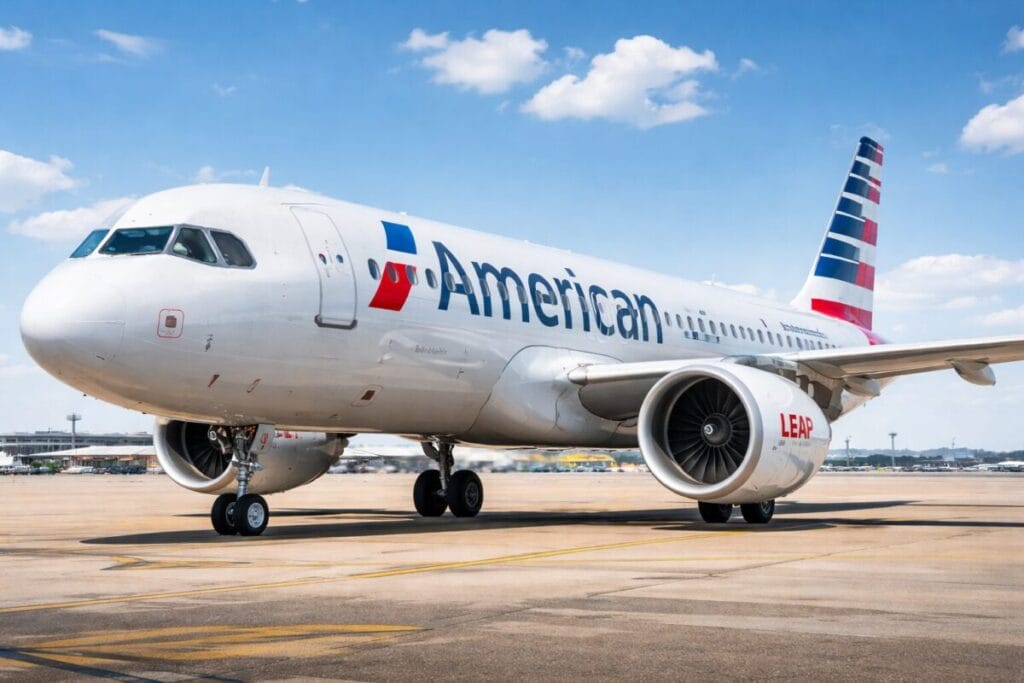
American Airlines has confirmed a major fleet decision by selecting CFM International’s LEAP-1A engines for upcoming Airbus A321neo aircraft deliveries. The move highlights the airline’s focus on fuel efficiency, sustainability, and improved passenger experience as global aviation continues its transition toward smarter and greener operations.
The agreement strengthens American Airlines’ long-term fleet renewal plan and signals a strong commitment to next-generation aviation technology. With air travel demand rising steadily across domestic and international markets, airlines are investing heavily in modern aircraft that offer lower operating costs and reduced environmental impact.
A Strategic Step in Fleet Transformation
American Airlines operates one of the world’s largest airline networks, connecting hundreds of destinations across North America, Latin America, Europe, and other regions. The addition of LEAP-1A engines to its A321neo fleet aligns with the company’s broader strategy of replacing older aircraft with newer, more efficient models.
Fleet modernization allows airlines to cut fuel consumption, streamline maintenance processes, and improve operational reliability. By standardizing engine technology across aircraft types, airlines can simplify training programs for pilots and engineers while strengthening supply chain efficiency.
The Airbus A321neo itself represents a key part of modern narrow-body aviation. Designed with improved aerodynamics and advanced systems, the aircraft offers extended range capability, enabling airlines to serve longer routes that previously required larger wide-body jets.
How Engine Technology Impacts Travelers
Engine selection may appear technical, but it directly influences passenger experience. New-generation engines reduce cabin noise levels, improve flight reliability, and help airlines manage operating costs more effectively. Lower costs can lead to more competitive ticket pricing and expanded route options.
The A321neo’s range and efficiency allow airlines to explore “long thin routes.” These are routes connecting smaller cities across long distances that were previously not economically viable. For travelers, this means fewer connections and more direct flight options.
Advanced engine technology also contributes to smoother performance and reduced vibration during flight, improving comfort for passengers.
Inside the LEAP-1A Engine Innovation
CFM International, a joint venture between GE Aerospace and Safran Aircraft Engines, developed the LEAP-1A engine specifically for the Airbus A320neo family. The engine incorporates advanced materials and design features that improve fuel burn efficiency compared to older-generation engines.
Key innovations include lightweight carbon fiber composite fan blades and high-temperature turbine components designed to enhance durability. These technologies help reduce maintenance requirements while maintaining strong performance.
Modern engines also lower noise emissions. This benefit supports airlines operating in airports with strict environmental regulations and helps reduce the impact on communities near major aviation hubs.
Sustainability Drives Industry Decisions
Sustainability has become a major focus across the aviation sector. Airlines face increasing pressure from regulators, corporate clients, and environmentally conscious travelers to reduce carbon emissions.
American Airlines has announced long-term goals to achieve net-zero emissions by 2050. Investing in fuel-efficient aircraft remains one of the most immediate and effective ways to reduce emissions per passenger.
The A321neo platform is compatible with sustainable aviation fuel (SAF), which can significantly reduce lifecycle carbon emissions compared to traditional jet fuel. As SAF production scales globally, airlines equipped with compatible aircraft will gain flexibility in meeting sustainability targets.
Modern aircraft also burn less fuel per seat, making it easier for airlines to balance environmental responsibility with commercial viability.
Competitive Implications in Global Aviation
The decision arrives at a time when major carriers worldwide are accelerating fleet upgrades. Airlines increasingly compete on efficiency, sustainability, and network expansion rather than simply capacity.
Fuel costs remain one of the largest expenses for airlines. Efficient engines help reduce operating costs, allowing carriers to maintain profitability even during fluctuating market conditions.
Lower operating costs also enable airlines to open new routes or increase flight frequencies. This expansion benefits travelers by providing more scheduling flexibility and improved connectivity.
By selecting a consistent engine platform, American Airlines strengthens its operational resilience. A reliable global support network ensures quicker maintenance response and reduced aircraft downtime.
What This Means for Future Travel
For passengers, investments in new aircraft technology translate into tangible improvements. Travelers can expect quieter cabins, better onboard comfort, and potentially more nonstop routes connecting emerging destinations.
The expansion of efficient narrow-body aircraft like the A321neo also supports the trend toward point-to-point travel. Instead of routing passengers through large hub airports, airlines can operate direct flights between secondary cities, reducing travel time and congestion.
As airlines continue to modernize fleets, sustainability and efficiency will remain central themes shaping the future of travel. American Airlines’ engine selection underscores how technology decisions behind the scenes can drive meaningful changes in how people fly.
With increasing demand for responsible and efficient air travel, next-generation aircraft and engines will play a crucial role in defining the aviation experience for years to come.
For more travel news like this, keep reading Global Travel Wire