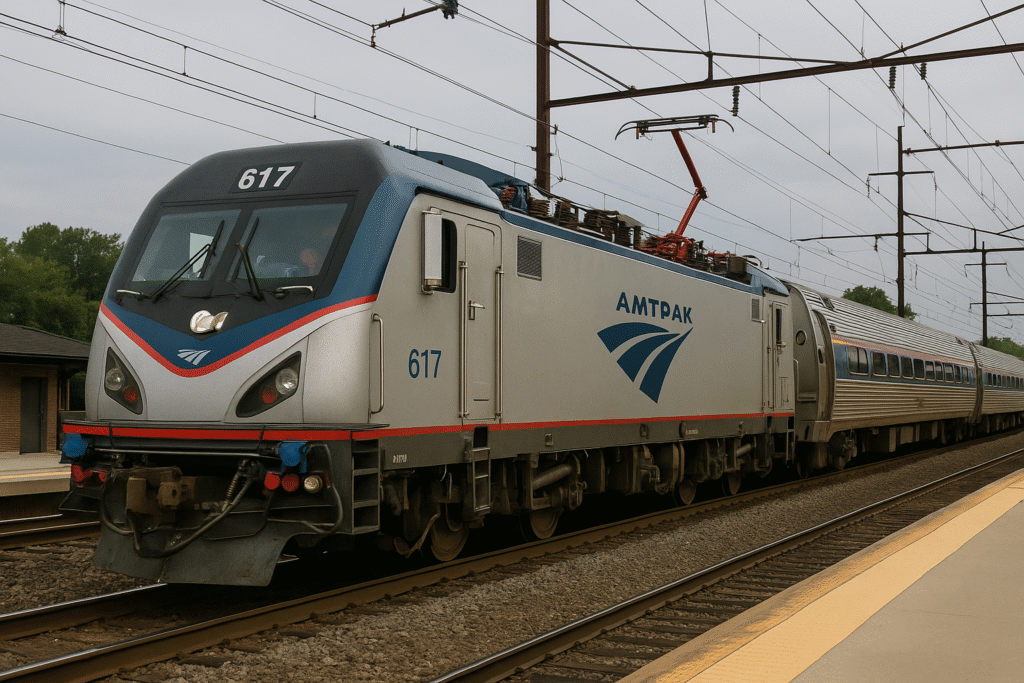
As the U.S. government shutdown stretches into its fourth week, travellers planning to use Amtrak over the Thanksgiving holiday should take note of growing uncertainties surrounding rail services. While Amtrak remains operational for now, advocacy groups and transport watchers warn that prolonged funding shortfalls could lead to service delays or changes during one of the busiest travel seasons of the year.
Amtrak operates as a federally chartered corporation that earns much of its revenue from ticket sales and state contracts, giving it more autonomy than many purely governmental agencies. Indeed, active service continues despite the halt in federal appropriations. According to industry observers, day-to-day operations are likely secure for now because the corporation has managed operating reserves and the shutdown’s immediate impact on passenger trains is limited.
However, Amtrak’s reliance on federal support for infrastructure upgrades, capital improvements and long-distance routes means the shutdown poses significant risks if it continues. The Federal Railroad Administration (FRA), which oversees safety inspections, program funding and capital grants, has seen staff furloughed and functions delayed during the shutdown. This lag in oversight and funding is expected to impact future projects and may trickle into service reliability if the shutdown persists.
For holiday travellers eyeing Amtrak’s busy corridors such as Washington–New York–Boston or Chicago–Los Angeles, the message is clear: your train may run as scheduled, but the broader system is under stress. Historical data and current assessments suggest that while everyday service will continue, the margin for disruption is thinning. In particular, long-haul services that depend more on federal subsidies and maintenance cycles face greater vulnerability than heavily trafficked inter-city routes.
Here are key considerations and practical steps for travellers:
- Stay informed: Monitor Amtrak announcements closely. Although no mass cancellations have been announced, service bulletins may appear if funding issues or safety-inspection delays escalate.
- Allow extra time: The holiday season always places strain on transportation networks. With the added uncertainty of the shutdown, allowing buffer time for arrivals, check-in and transfers will reduce stress.
- Check for service changes or fare shifts: While fares remain unchanged for now, extended shutdowns might force Amtrak to reduce or restructure services, especially on routes with heavier capital dependency. Keep an eye out for route cancellations or modified stop patterns.
- Consider alternatives: For travellers with flexible dates or routes, it may be prudent to evaluate other options—such as bus services or flights—especially for critical segments. While rail remains viable, redundancy planning is wise.
- Have contingency plans: Book early, but favour options with flexible cancellation or change terms. If your trip depends on the train arriving at a specific time, prepare for potential delays by scheduling accommodation or transfers with some slack built-in.
From a system-wide perspective, several factors merit attention. The FRA has publicly warned that inspection delays and stalled infrastructure investment could degrade safety margin and long-term reliability. Although Amtrak has assured the public that service continues for now, a protracted shutdown would inevitably contribute to deferred maintenance backlog, increased repair demand and potential service interruptions.
Moreover, the holiday period is one of the highest pressure windows for the national rail system. Less-resilient routes, winter weather, increased freight traffic and staffing uncertainties all combine with funding risks to heighten the chance of unforeseen disruptions. That means travellers are facing a perfect storm of variables: peak ridership, weather risks, and institutional uncertainty.
Still, it is worth emphasising that immediate, large-scale cancellations remain unlikely in the short term. Amtrak’s mission-critical services are operating, and the corporation has signalled that it will manage resources to keep trains moving. Yet the warning from rail-advocacy groups is unequivocal: the longer the shutdown lasts, the more likely travel complications become.
For example, if inspection cycles are delayed or infrastructure renewal is paused, minor issues could compound into larger operational problems that affect schedules and safety. If certain federal grants freeze or are rolled over late, states or operators might need to make short-notice adjustments. While many travellers will ride without incident, the margin of safety and predictability is narrowing.
In practical terms for Thanksgiving travellers: book early, choose seats or sleepers where available, mentally plan for extra transit time, track announcements daily and maintain flexible post-travel plans. Key travel days around the holiday (often the day before Thanksgiving, the weekend after and the return leap) are already congested—adding potential shutdown effects makes proactivity crucial.
From the perspective of U.S. transportation policy and tourism, the shutdown’s rail implications demand attention. Rail tourism, inter-city connectivity and holiday travel all rely on stable infrastructure, disciplined inspection regimes and a predictable funding environment. When any of these components waver, the ripple effects extend beyond one train trip—they affect national mobility, regional economies and traveller confidence.
While the shutdown’s impact on airports has been more visible (air traffic control staffing, TSA screening, airport operations), rail remains less in the public eye yet is vulnerable in its own way. The message from industry watchers is: rail service will likely continue, but the safety net of federal support is fraying, so travel planning needs to adapt.
In summary, travellers planning to ride Amtrak during the upcoming Thanksgiving surge should treat the situation with cautious optimism. Trains will run, systems continue, but behind the scenes funding uncertainty is growing. By staying alert, adjusting for extra time, choosing flexible bookings and following announcements closely, travellers can navigate this period with more confidence. However, they should also be prepared for the possibility that the shutdown, if prolonged, may introduce service changes, delays or fewer margin of error than in previous years.
As the holiday engines start rolling, the rails await—yet the context is different this year. Travellers who heed warnings and plan accordingly stand the best chance of reaching their destinations smoothly, even as the wider transport system operates under a cloud of federal uncertainty.
For more travel news like this, keep reading Global Travel Wire