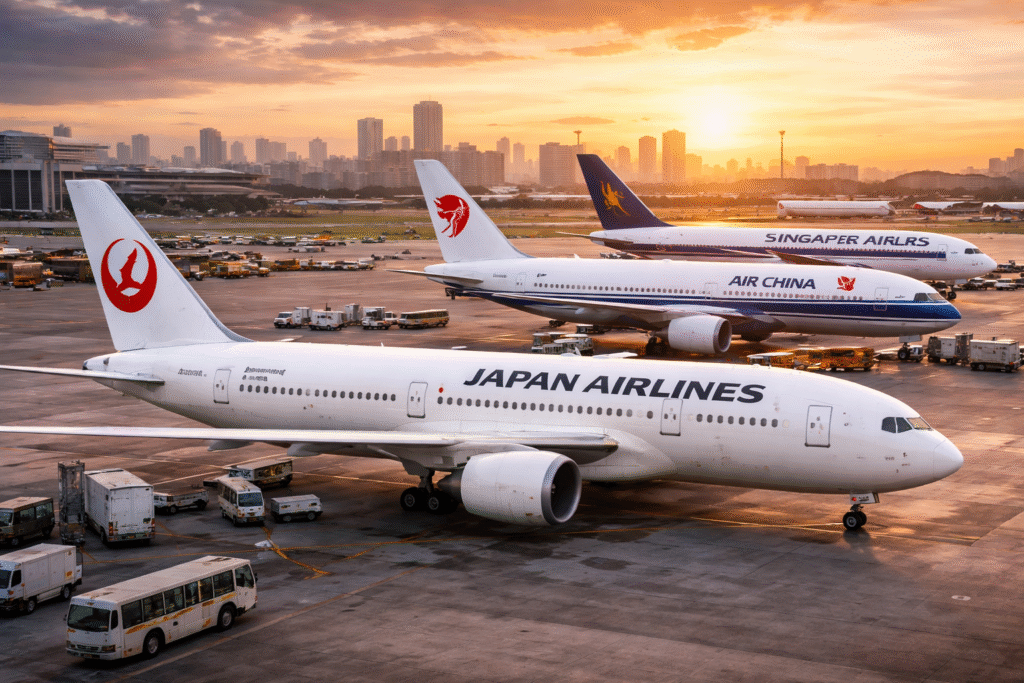
Asian airlines reported notable double-digit growth in international travel over the New Year holiday period. Airlines such as Japan Airlines, Air China, and Singapore Airlines saw numbers surge as global travel demand rebounds. This marks a bright start to 2026 for the aviation and tourism sectors across Asia.
International passenger demand has climbed significantly, with carriers expanding service to long-haul destinations like the United States and Europe. The trend signals renewed confidence among travelers who are eager to explore abroad after several years of pandemic-related disruptions.
Japan Airlines Leads with Impressive International Growth
Japan Airlines (JAL) achieved approximately 10% growth in international travel during the New Year holidays compared with the previous year. This increase was driven by strong bookings on long-haul flights between Japan and destinations in North America, Europe, and Hawaii. The results show a solid recovery for Japan’s aviation industry and strong traveler interest in overseas trips.
Long-haul routes outperformed short-haul ones, as more passengers opted for extended vacations. Hawaii, Europe, and major U.S. cities emerged as key destinations. This shift reflects a broader appetite for international experiences and longer trips among Japanese travelers.
While international travel grew sharply, domestic travel in Japan also saw a modest rise. Both domestic and international flight numbers highlight the country’s resurgence as a global travel hub. At major Japanese airports, such as Narita and Haneda, international departures increased sharply during the holiday period.
Looking ahead, Japan Airlines plans to expand service to popular global cities, enhancing long-haul options and catering to rising demand. The airline’s strategy focuses on connecting Japan with top tourism markets while improving premium travel experiences.
Air China Sees Strong Demand on Trans-Pacific Routes
Air China also reported substantial growth in international passengers during the holiday period. The airline experienced significant demand on routes between China and cities in North America, particularly to major U.S. hubs. These routes saw a strong uptick as business travel and leisure travel both gained momentum.
The rebound in cross-border travel from China reflects a broader recovery of outbound tourism. In addition to North America, Air China saw increased seat capacity and bookings on regional flights within Asia. Southeast Asian and East Asian cities like Singapore, Bangkok, and Tokyo proved popular with travelers.
This broader growth not only boosts Air China’s global traffic but also supports wider tourism demand across key regions. As demand rises, Air China is likely to continue optimizing its network to meet the needs of international travelers seeking business and leisure experiences abroad.
Singapore Airlines Expands Global Reach and Premium Services
Singapore Airlines delivered major growth in international travel, driven by its extensive global network and high service standards. The airline saw strong demand on flights linking Singapore with major global cities, including Sydney, London, and Los Angeles.
Singapore Airlines focused on flexibility and premium offerings, attracting passengers seeking comfort on long-haul flights. Demand for business travel also rebounded as companies resumed face-to-face meetings in key cities. This helped boost passenger numbers and strengthen the airline’s position in the premium travel space.
The carrier’s strategic scheduling and strong service reputation played a vital role in drawing travelers from around the world. Continued focus on flexibility, customer experience, and network connectivity has solidified Singapore’s place as a major aviation hub in Asia.
Why International Travel Is Climbing
Several factors are driving the surge in Asian airline travel:
1. Post-pandemic recovery:
International travel demand has bounced back strongly as global restrictions loosen and confidence returns.
2. Expanded airline networks:
Carriers in Asia have increased flight options and routes, making it easier to book trips to distant destinations.
3. Competitive pricing and services:
Attractive fares, flexible booking options, and enhanced service features have encouraged travelers to fly more.
4. Growing middle class:
Rising incomes in countries like China, India, and Southeast Asia fuel outbound travel for leisure and business.
Industry data shows overall passenger demand climbed internationally in late 2025, with Asia-Pacific airlines contributing significantly to global growth. These trends point to continued strength in international travel as the world enters 2026.
What This Means for Tourism
The travel surge has positive implications for global tourism:
• Economies benefit from increased tourism spend.
More travelers mean higher spending in hotels, attractions, and local travel services.
• Airlines focus on long-haul routes.
Demand for flights between continents supports expansion and route investments.
• Travelers enjoy more choices.
With flexible booking and a wide range of destinations, people have greater freedom in planning trips.
Popular destinations such as Hawaii, Europe, and major U.S. cities continue to see high interest. At the same time, Asian cities and regional routes remain busy. This reflects a balanced pattern of global travel where both outbound and inbound movements strengthen local tourism.
Future Outlook for Asian Aviation
The positive travel trend shows no sign of slowing down. Airlines across Asia are investing in fleet upgrades and service improvements to handle rising passenger demand. As competition increases and travel confidence grows, 2026 looks set to be another strong year for the aviation sector.
Airlines are eyeing new routes and partnerships to expand global connectivity. Travelers can expect more destinations, better service, and enhanced travel options. The continuing growth of Asian airlines highlights the region’s key role in shaping global travel trends going forward.
Summary:
2026 began with strong growth for Asian airlines as they recorded notable double-digit increases in international travel. Japan Airlines, Air China, and Singapore Airlines led the gains, reflecting renewed global demand. Travelers now have more flight choices and services, signaling a bright future for tourism and aviation worldwide.
For more travel news like this, keep reading Global Travel Wire