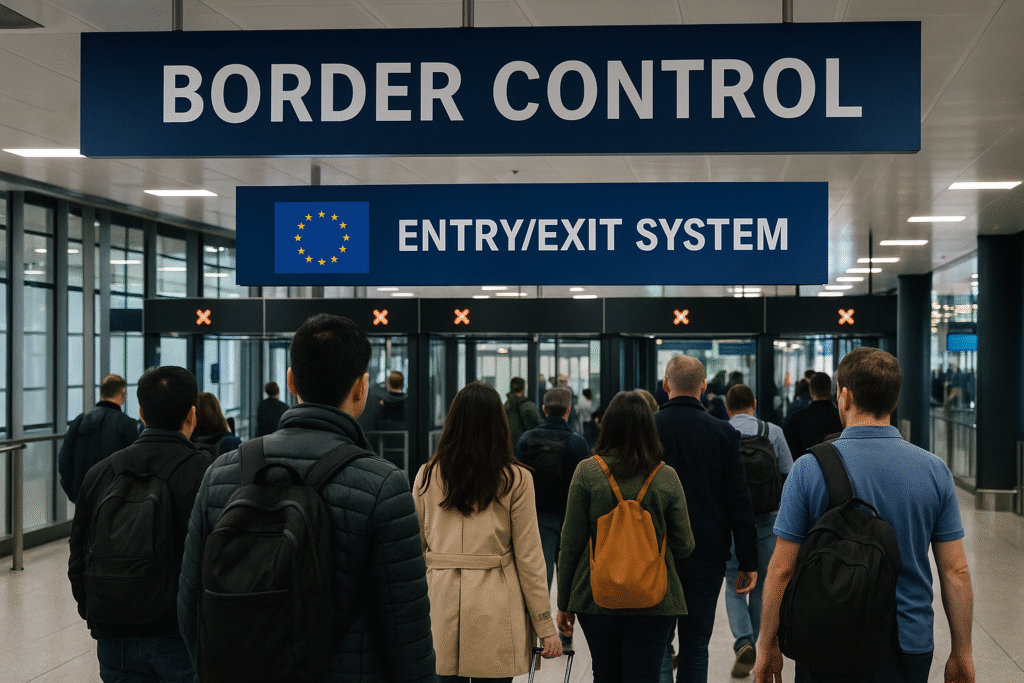
From October 12, 2025, travelers entering or leaving the Schengen Area will face new requirements as the European Union launches its Entry/Exit System (EES). The system, designed to strengthen border security and monitor arrivals, will require non-EU nationals, including Australians, to provide biometric data such as fingerprints and photographs.
While the system is intended to streamline long-term border management, travelers should expect longer queues, possible disruptions, and stricter checks across airports, land crossings, and seaports. In anticipation of these changes, the Australian government has issued a new travel advisory for Autumn 2025, urging citizens to remain alert and plan their trips carefully.
Countries Under the Advisory
Australia’s updated travel advice emphasizes caution when visiting popular European destinations, highlighting both security risks and logistical challenges tied to the EES rollout. Here’s an overview of the situation across key countries:
France: Heightened Vigilance
France remains on high alert for terrorism, with authorities maintaining strict surveillance at public spaces, transport hubs, schools, and cultural venues. Recent attacks underscore the ongoing risks, particularly in crowded areas such as Paris. In addition to security concerns, frequent strikes disrupt transportation and public services, creating added uncertainty for travelers. Petty crime, including pickpocketing, is also widespread in tourist-heavy zones.
Germany: Steady but Watchful
Germany continues to face a persistent threat of terrorism, with major transport hubs and public gatherings considered potential targets. While violent crime is relatively low, theft and pickpocketing remain frequent in busy areas. With the introduction of the EES, travelers should prepare for longer processing times at airports and land borders, especially when entering by train or car.
Belgium: High Terror Alert
Belgium’s terrorism threat level is currently at “serious,” reflecting a significant risk of attacks at tourist attractions, shopping districts, and transport centers. Petty theft, especially in crowded areas like Brussels’ Grand Place and train stations, is also common. Travelers should carry valid identification at all times as temporary border checks remain in place until the end of 2025.
Italy: Security and Theft Concerns
Italy continues to attract millions of visitors annually, but travelers should be cautious of petty crime, particularly in cities like Rome, Milan, and Naples. Vehicle break-ins and bag snatching are common, while terrorist threats remain a concern in crowded venues. The EES may lead to extended delays at airports and Italy’s land border with Slovenia.
Austria: Alert but Stable
Austria faces an ongoing but contained terrorist risk, with Vienna identified as a potential target in past investigations. Petty theft, particularly in public transit systems, is another concern. As part of the Schengen Area, Austria will enforce the EES, which could slow down travel at both air and land crossings.
Hungary: Security Linked to Regional Conflict
Hungary shares the same EES requirements as its neighbors, with additional security concerns tied to its proximity to Ukraine. Authorities urge travelers not to cross into Ukraine due to ongoing instability. Petty crime, including roadside thefts and car break-ins, is an issue at highway rest stops.
Switzerland: Security Measures with Border Delays
Though not an EU member, Switzerland participates in the Schengen Agreement and will fully adopt the EES. Terrorism threats are elevated but controlled, while petty theft continues to rise in major tourist areas such as Zurich and Geneva. Travelers should be prepared for longer wait times at both air and land borders.
What the EES Means for Travelers
The European Entry/Exit System marks a significant shift in how Europe manages its borders. By collecting biometric data, authorities aim to strengthen security and track overstays more effectively. However, this technology-driven change will also impact travel flow.
- Longer Queues: Airports and border crossings may experience delays, especially in the early months of the system’s rollout.
- Biometric Collection: Travelers will be required to provide fingerprints and facial photographs upon entry and exit.
- Increased Screening: Randomized security checks may become more common, adding time to border processing.
For Australians planning European holidays in late 2025, it is advised to arrive at airports earlier, keep travel documents ready, and remain patient as authorities adjust to the new procedures.
Additional Safety Risks Across Europe
Beyond border delays, the advisory highlights broader safety concerns:
- Terrorism: Persistent across multiple countries, with attacks often targeting transport hubs, cultural events, and large gatherings.
- Strikes and Protests: Particularly in France, where demonstrations frequently disrupt travel and public services.
- Petty Crime: Pickpocketing, bag snatching, and theft from cars remain common issues in tourist-heavy areas.
Travelers are urged to stay alert, avoid crowded demonstrations, and secure valuables at all times.
Preparing for Autumn Travel
To navigate Europe safely and smoothly during Autumn 2025, Australians should:
- Stay Updated: Regularly monitor government travel advisories for the latest developments.
- Plan Ahead: Allow extra time for border checks and airport security.
- Secure Valuables: Use money belts or concealed pouches when moving through busy areas.
- Avoid High-Risk Areas: Stay clear of protests, demonstrations, or areas under heavy police presence.
- Follow Local Advice: Pay attention to announcements from local authorities and security personnel.
Conclusion
The upcoming launch of the European Entry/Exit System on October 12, 2025, will reshape the travel experience for Australians and other non-EU nationals. While the system aims to improve border security, it will initially bring longer queues and possible disruptions. Combined with ongoing safety challenges such as terrorism threats, protests, and petty crime, the Autumn 2025 travel season requires careful planning and heightened awareness.
By remaining vigilant and allowing extra time for border procedures, travelers can still enjoy Europe’s diverse destinations while staying safe and informed.
For more travel news like this, keep reading Global Travel Wire