Australia’s wildlife tourism sector has grown rapidly, drawing visitors eager for close-up encounters with native animals such as koalas, kangaroos and wallabies. These experiences generate significant revenue and support the economy. At the same time, this boom is exposing serious ethical and environmental issues. Tourism operators are facing increased scrutiny over animal welfare, habitat stress and ecosystem degradation.
Ethical Tourism Under Pressure
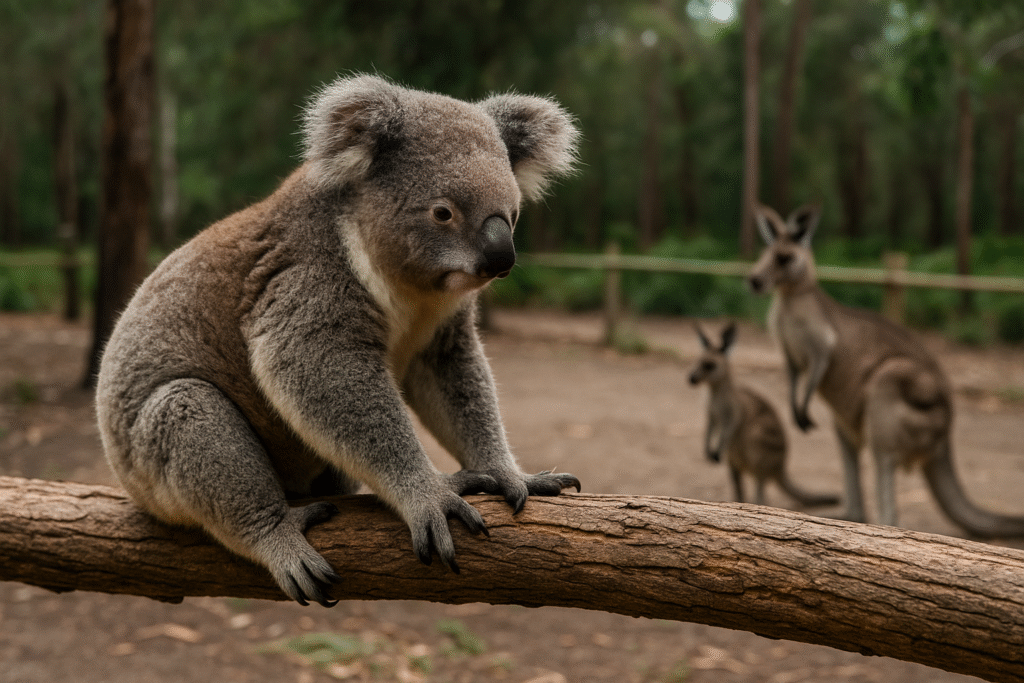
One of the most visible concerns involves hands-on interactions with wildlife. For years tourists could hold koalas or feed kangaroos, but such practices increasingly come under criticism for causing stress and disturbing natural animal behaviour. Many experts argue that these interactions compromise animal wellbeing. Reflecting this shift, a prominent sanctuary in Queensland announced it would stop allowing koala cuddles in 2024. This marks a broader industry change toward observation rather than direct interaction.
Visitors are increasingly seeking experiences that respect animal rights and habitats, demanding more responsible tourism. Operators too are responding by phasing out physical interactions and promoting low-impact wildlife viewing. The transition is still underway, with welfare audits, stricter guidelines and industry-wide change expected in the coming years.
Overtourism and Habitat Threats
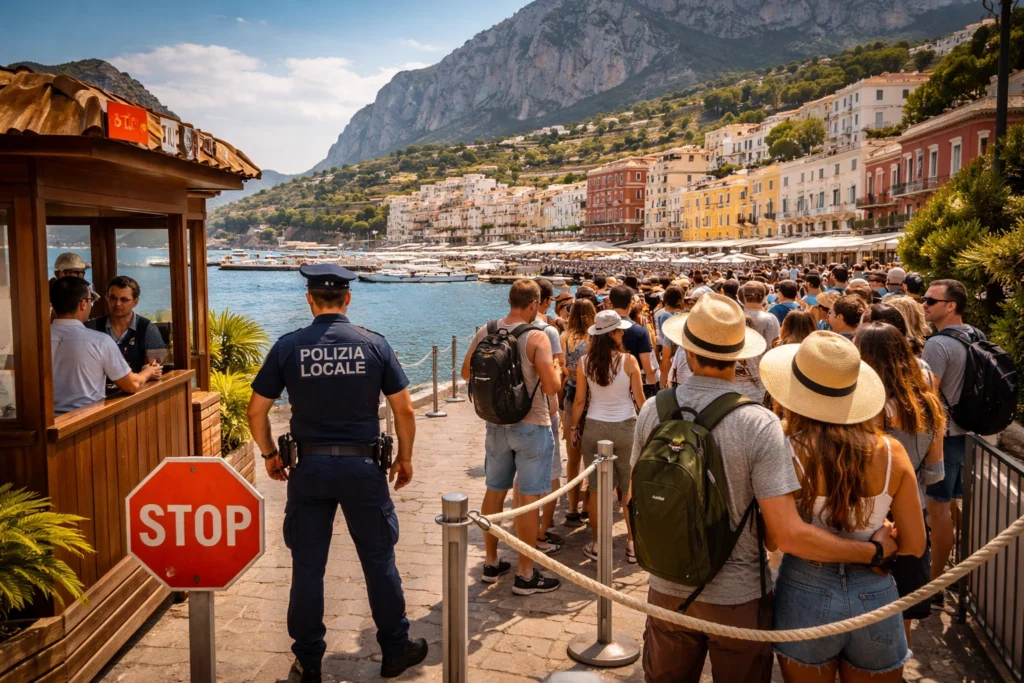
Beyond animal treatment, the sheer volume of tourists threatens fragile ecosystems. Highly sensitive natural areas such as heritage-listed islands and pristine habitats now face pressures from vehicle traffic, visitor congestion and infrastructure strain. Ecosystems designed for minimal human intrusion struggle to cope when visitation exceeds ecological carrying capacity.
For example, an island under traditional custodianship warned that failure to cap visitor numbers risks the destruction of both wildlife habitat and cultural heritage. Wildlife-vehicle collisions, erosion, disturbance of native species and damage to flora are all growing concerns in regions receiving high tourism traffic.
Biodiversity Crisis Intensifies
Australia already grapples with serious biodiversity decline: thousands of species are threatened or endangered. The national framework laid out in Australia’s Strategy for Nature 2024-2030 sets targets to halt and reverse biodiversity loss by 2030. The strategy emphasises valuing nature, enhancing connectivity between humans and nature, and building knowledge. These are critical to preserving the very wildlife that fuels tourism.
The tourism industry depends on this natural capital. Yet business models that emphasise volume or novelty over conservation risk undermining the long-term value of native species. If wildlife populations decline or become stressed, the very attraction of Australia’s unique fauna may be lost.
Finding the Balance: Conservation Meets Tourism
The challenge ahead is clear: reconcile economic gain from wildlife tourism with ethical animal treatment and ecological sustainability. Tourism operators who prioritise profit over conservation are increasingly vulnerable. Key strategies emerging include:
- Limiting visitor numbers in sensitive wildlife habitats to match ecological carrying capacity.
- Transitioning from physical interaction (such as cuddling or feeding) to naturalistic observation, guided by animal-behaviour research.
- Implementing regular welfare audits of wildlife tourism experiences, guided by independent standards.
- Adopting eco-tourism models that emphasise education, habitat restoration and visitor awareness.
- Leveraging technology, such as virtual reality or remote-viewing platforms, to provide immersive wildlife experiences without disturbing animals.
Government biodiversity frameworks support these shifts. They require nature-based tourism sectors to align with national goals of healthy ecosystems, stronger human-nature relationships and greater conservation knowledge-sharing.
What Does the Future Hold?
The next few years will prove decisive for Australia’s wildlife tourism sector. As consumer expectations evolve and the biodiversity crisis deepens, tourism operators must adapt or risk reputational, regulatory and ecological backlash. Stricter regulations appear likely: mandatory welfare standards, visitor-cap mechanisms, and mandatory conservation investment by tourism businesses.
For visitors, the shift means more mindful choices. Tourists who select experiences prioritising animal welfare, support for native habitat protection and minimal ecological impact will help shape the future of wildlife tourism in Australia.
For the industry and regulators, success will depend on forging a model where tourism, conservation and animal welfare reinforce each other rather than conflict. If done well, Australia has the opportunity to lead globally in ethical wildlife tourism—preserving its unique species and delivering high-value visitor experiences that last.
Conclusion – A Pivotal Moment
Australia’s iconic wildlife tourism stands at a crossroads. The twin pressures of animal welfare concerns and ecological degradation have exposed a sector that must evolve. With national strategies now in place to protect biodiversity, the alignment of tourism practices with conservation goals is no longer optional. By shifting toward observant, low-impact tourism and embracing stricter standards, Australia can safeguard its wildlife heritage while still welcoming global travellers. The future of wildlife tourism hinges on balancing economy, ethics and ecology—and acting decisively now.
For more travel news like this, keep reading Global Travel Wire