
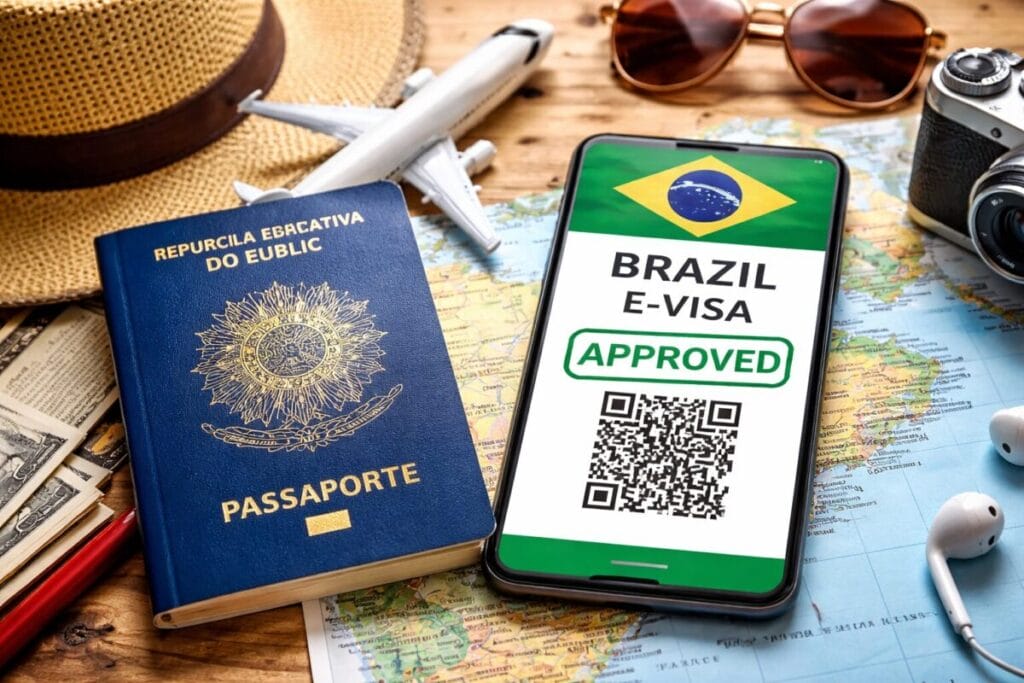
Brazil has introduced a mandatory electronic visa system starting February 2026. The new policy affects travelers from the United States, Canada, Mexico, Australia, and Argentina. It replaces the visa-waiver program that had allowed simplified entry since 2019.
The government aims to strengthen border security while modernizing travel procedures. The new digital process reflects a global trend toward pre-arrival screening and electronic documentation.
Tourism authorities expect the change to reshape how visitors prepare for trips to Brazil. Travelers must now complete visa approval before departure instead of arriving visa-free.
Why Brazil Ended Its Visa-Waiver Policy
The earlier visa-free arrangement helped boost tourism numbers and business travel. However, Brazil decided to shift toward stricter digital screening to improve immigration control.
Officials believe the e-Visa system will:
- Improve security checks before arrival
- Reduce delays at airports
- Prevent entry issues caused by incomplete documentation
- Modernize border management using technology
Many countries worldwide have already introduced similar digital systems. Brazil’s move aligns with these international standards.
Countries Affected by the New Brazil E-Visa Requirement
Citizens from several major tourism and business markets must now apply for the electronic visa before traveling.
Key affected countries include:
United States
American travelers must secure e-Visa approval before boarding flights to Brazil. The change impacts tourism, corporate travel, and academic exchanges.
Canada
Canadian visitors no longer qualify for visa-free entry. Tourists and business travelers must complete online applications before departure.
Mexico
Mexico represents an important tourism market for Brazil. The new rule introduces additional planning steps for Mexican travelers.
Argentina
Argentina’s inclusion marks a significant regional policy shift. Argentine citizens previously enjoyed simplified travel within South America.
Australia
Australian visitors must also comply with the new digital visa process. This affects both leisure tourism and business travel to major Brazilian cities.
How the Brazil E-Visa Process Works
The electronic visa system is fully online and designed to be simple and fast. Travelers complete several steps before their journey.
Step 1: Online Application
Applicants fill out a digital form with personal details, passport information, and travel plans.
Step 2: Upload Passport Copy
Travelers submit a clear passport scan. The passport must remain valid for at least six months beyond the intended stay.
Step 3: Pay Processing Fee
The standard fee is approximately R$257. Payment takes place through the online platform.
Step 4: Receive Approval
Processing often takes around 48 hours, although travelers should apply earlier to avoid delays.
Step 5: QR Code Verification
Approved visas include a QR code. Airlines verify it during check-in, and immigration officers scan it upon arrival.
Changes for Airlines and Travel Planning
Airlines now play a stronger role in document verification. Passengers without approved e-Visas cannot board flights to Brazil.
Travel agencies and corporate travel departments have adjusted their procedures. Many companies now recommend applying several days in advance. Some businesses have added buffers to their travel approval timelines.
Tour operators also advise travelers to double-check passport details. Even small errors can lead to application delays or rejection.
What Tourists Need to Know About Entry Rules
The e-Visa generally allows short stays of up to 90 days. Travelers must respect visa conditions and departure deadlines.
Authorities have announced penalties for overstaying. Daily fines may apply, and repeat violations could lead to future entry restrictions.
Despite the extra step, the digital system removes the need for traditional embassy visits. This makes the application process faster compared to older visa procedures.
Impact on Brazil’s Tourism Industry
Brazil remains one of the most popular destinations in South America. Major attractions include Rio de Janeiro’s beaches, the Amazon rainforest, and cultural hubs such as São Paulo and Salvador.
The new e-Visa policy introduces more structure into travel planning. Some experts believe initial adjustments may slow spontaneous travel. However, digital screening could increase confidence in border security.
Tourism officials expect long-term benefits, including:
- Better management of visitor flows
- Faster airport processing
- Improved traveler data accuracy
These factors may support sustainable tourism growth in the coming years.
Digital Travel Trends Shaping Global Tourism
Brazil’s e-Visa rollout reflects a wider transformation across international travel. Governments increasingly rely on digital systems to manage borders and improve security.
Electronic visas allow authorities to review travelers before arrival. This reduces risks while maintaining efficient travel experiences. Many destinations now combine digital applications with automated airport technologies.
Travelers worldwide must adapt to these new requirements by planning earlier and monitoring entry regulations carefully.
What Travelers Should Do Before Visiting Brazil
Visitors planning trips to Brazil in 2026 should:
- Apply for the e-Visa well before departure
- Ensure passport validity meets requirements
- Confirm airline verification policies
- Keep digital and printed copies of approval documents
Early preparation helps avoid travel disruptions.
A New Era for Travel to Brazil
Brazil’s introduction of the mandatory e-Visa marks a major turning point in its tourism policy. By ending visa-free entry for several countries, the government signals a shift toward modern digital border management.
The system promises faster processing and improved security while requiring travelers to plan more carefully. As international tourism evolves, Brazil’s digital visa framework may become a central part of how visitors experience the country from the moment they begin their journey.
For more travel news like this, keep reading Global Travel Wire