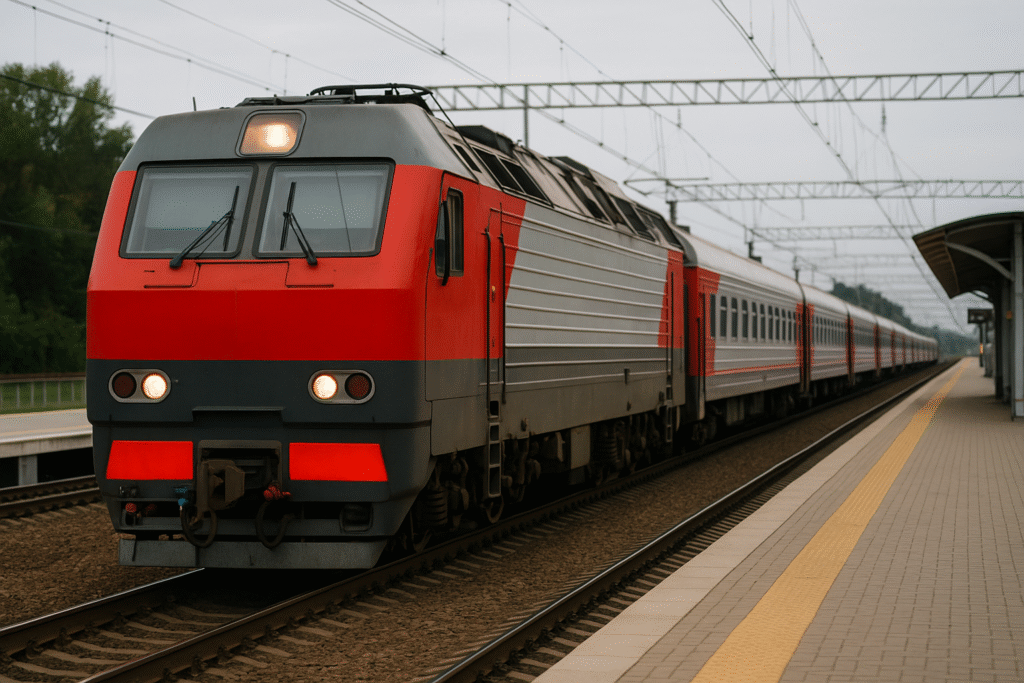
Brazil’s railway sector enters an exciting phase in 2026 with a range of major projects set to transform travel, tourism and connectivity across the country. From urban monorails in São Paulo to grand visions of a transcontinental rail link to Peru, the developments promise to make train travel a more appealing choice for tourists and locals alike.
Urban Mobility Upgrades in São Paulo and Beyond
One of the headline projects is the launch of the elevated monorail Line 17 (Gold) in São Paulo, expected to open in June 2026. The line will link the Morumbi neighbourhood to Congonhas Airport, offering a fast, modern metro option in one of South America’s busiest cities. This upgrade will reduce travel times, ease congestion and provide visitors an efficient way to reach key city attractions. Meanwhile, the city will also deploy the new Metropolis BM4 trains on its metro Line 6 (Orange). These modern six-car trains will carry over 2,000 passengers each, enhancing capacity and comfort for daily commuters and tourists alike.
Meanwhile, in Vitória and Minas Gerais, the historic Vitória–Minas Railway (EFVM) receives an upgraded timetable in 2026 that will ease travel between coastal and inland regions and provide a picturesque journey through Brazil’s scenic countryside. For travellers, the improved service will make this route a viable option to connect major attractions away from the large metro areas.
National Rail Strategy: The Smart Railways Plan
Brazil’s national government has launched a sweeping “Smart Railways” initiative aimed at revitalising around 10,000 km of under-used federal rail corridors via new public-private partnership (PPP) models. The plan includes at least seven strategic rail stretches for auction in 2026, such as the 933-km Ferrogrão line linking Mato Grosso to Pará, and the 115-km Salvador-Feira de Santana corridor in Bahia. These projects focus primarily on freight but include potential for future passenger use, creating new access options for remote regions. By enhancing rail freight and integrating it eventually with passenger networks, Brazil will improve logistics and enable tourists to reach previously less-accessible areas.
A Transformative Transcontinental Vision
Beyond national upgrades, Brazil and its partners are pushing ahead with the ambitious Brazil–Peru Transcontinental Railway, a proposed 6,500-km route linking Brazil’s Atlantic coast with Peru’s Pacific. While still in feasibility and planning phases, this mega-project promises to open a new axis of travel across South America, ideal for adventurous tourists seeking multi-country rail journeys through the Amazon, Andes and coastal landscapes. When realised, the line could reshape tourism by offering a dramatic overland alternative to flights and road trips.
Tourism Impacts and Travel Benefits
For visitors, the rail developments mean more options and more memorable journeys. Instead of limiting travel to major cities, tourists can explore Brazil’s diverse landscapes—rainforest fringes, mining regions, rural heartlands—via rail. The modern metro upgrades in São Paulo and the scenic inter-regional services like the EFVM make internal travel more comfortable and accessible. The Smart Railways projects and the transcontinental concept add future promise for specialist rail tourism, such as train-based eco-trips, heritage routes and cross-border expeditions. These developments support Brazil’s tourism goals of increasing stay durations, improving regional distribution of visitors and reducing reliance on road-only travel.
Sustainability, Comfort and Connectivity
Rail travel offers clear sustainability benefits—moving freight and passengers by rail helps reduce road-traffic emissions, ease highway congestion and deliver smoother travel experiences. For urban visitors in São Paulo, the new monorail and metro trains will offer climate-controlled, reliable transport. For long-distance travellers, replacing long bus or car rides with rail promises improved comfort, better scenery and the chance to enjoy the journey itself.
Practical Travel Considerations
To take full advantage of the upcoming rail landscape, travellers should stay alert to early-release information about new services. When planning trips in 2026 and beyond:
- Monitor opening dates of new metro lines, such as São Paulo’s Line 17, for easy access to airports and city attractions.
- Consider scenic regional routes like the Vitória–Minas service for a relaxed alternative to flying or driving.
- Watch for emerging rail corridors enabled by the Smart Railways auctions—for example, routes to the Northeast or inland Brazil.
- For the adventurous, follow the feasibility of the Brazil–Peru transcontinental route as it may open unique multi-nation rail travel options in the coming decade.
What’s Next?
The year 2026 promises to be a milestone for Brazilian rail tourism. As urban lines open and national rail infrastructure expands, visitors will gain fresh ways to explore the country. While some projects remain logistic or freight-focused, the ripple effects for tourism are clear. In the next few years, Brazil could become a leading destination for rail-based travel in South America—both for comfortable city journeys and epic regional expeditions.
Final Word
Brazil’s road to 2026 carries more than infrastructure—it carries an invitation. The new metro lines, upgraded regional trains and ambitious transcontinental visions all serve up travel possibilities for tourists. Whether you plan a city break in São Paulo, countryside escapes from Vitória to Minas or dream of a multi-country rail odyssey through South America, Brazil’s rail revolution opens the doors. The journey ahead looks inviting, dynamic and full of promise for both commuters and travelers.
For more travel news like this, keep reading Global Travel Wire