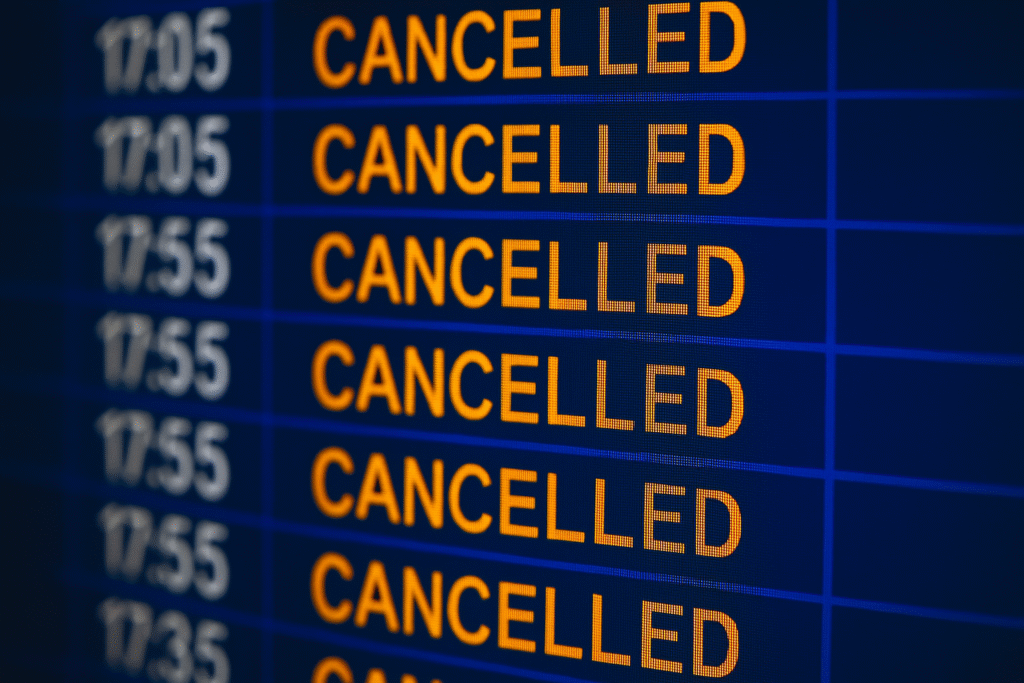
British Airways has confirmed the cancellation of several scheduled flights across both European and long-haul destinations, impacting thousands of passengers traveling through London Heathrow and other international airports. These cancellations, announced for September 15, 2025, are affecting key routes to and from major European cities such as Barcelona, Madrid, Munich, and Zurich, as well as long-haul services connecting London with South America, particularly Brazil and Argentina.
The disruptions mark another significant challenge for travelers navigating Europe’s busiest air corridors, as well as those relying on long-haul links between the United Kingdom and Latin America.
Impacted European Routes
Several popular European connections have been grounded, leaving many passengers needing to rearrange their itineraries. Among the notable cancellations are flights between London Heathrow and Barcelona, Madrid, Lyon, Zurich, and Berlin. Arrivals from key cities such as Munich, Amsterdam, Hamburg, and Marseille have also been halted.
For many business travelers and holidaymakers, these connections represent vital travel links. Barcelona and Madrid, in particular, are among British Airways’ busiest European routes, catering to both tourism and corporate demand. Disruptions on these flights create a ripple effect for passengers who had onward connections from London Heathrow to long-haul destinations.
Long-Haul Disruptions to Latin America
In addition to short-haul cancellations, British Airways has suspended services on long-haul flights between London Heathrow and Rio de Janeiro, as well as connecting flights to Buenos Aires. South America represents a crucial market for the airline, with strong demand for leisure travel, business ties, and cultural exchange. The grounding of these flights places significant pressure on travelers, particularly those flying for international conferences, family visits, and seasonal tourism.
The cancellations highlight the complexity of modern aviation networks: a delay or cancellation on one continent often impacts passenger movement on another. In this case, disruptions across Europe have spilled over into South American schedules.
Passenger Guidance and Recommendations
British Airways has urged passengers to stay proactive in monitoring their travel status and making alternative arrangements. Affected passengers are advised to:
- Check Rebooking Options – Use the airline’s official app or website to view available alternatives. Some customers may be eligible for free rebooking on later flights.
- Contact Customer Support – Those unable to secure an alternative online should reach out to British Airways’ customer service for personalized support, refund options, or rerouting through partner airlines.
- Monitor Flight Updates – Travelers are encouraged to track updates regularly, as schedules may shift throughout the day.
Additionally, experts recommend arriving at airports earlier than usual for rebooked flights to allow time for additional security, boarding, or documentation procedures.
Wider Impact on Tourism and Travel
These cancellations come at a time when European and Latin American destinations are experiencing peak travel demand. September is a popular month for both leisure and business travel, particularly in Spain, France, Germany, and Italy, where tourism remains central to local economies.
For Barcelona and Madrid, which attract millions of international tourists annually, canceled flights disrupt not only individual itineraries but also the broader tourism sector, including hotels, car rentals, and event venues. Similarly, Rio de Janeiro and Buenos Aires, which rely heavily on international connections, are expected to feel the economic impact of reduced flight operations.
The situation also underscores the importance of contingency planning for both airlines and passengers. In today’s interconnected travel landscape, disruptions in one region can quickly affect global tourism flows.
Broader Aviation Challenges
The cancellations come amid broader challenges facing international aviation. Airlines worldwide are balancing high travel demand with ongoing operational pressures, including staff shortages, technical issues, and rising fuel costs. British Airways, like many global carriers, has been working to restore pre-pandemic capacity while simultaneously adapting to shifts in travel patterns.
Weather-related issues and air traffic control delays across Europe in recent months have also put strain on carriers. Combined with the complexity of coordinating international routes, these factors contribute to increased instances of sudden cancellations.
Tips for Travelers to Minimize Disruption
For passengers affected by the cancellations, experts recommend several strategies to reduce stress and maintain travel flexibility:
- Explore Alternative Routes: Consider nearby airports served by British Airways or its partner airlines within the Oneworld Alliance, such as Iberia or American Airlines.
- Stay Flexible with Travel Plans: If attending business meetings or events, consider hybrid participation options while awaiting rebooked flights.
- Travel Insurance: Ensure policies cover cancellations and provide reimbursement for accommodation, meals, and missed connections.
By taking proactive measures, travelers can minimize the impact of sudden disruptions and maintain their travel goals despite the setbacks.
Looking Ahead
British Airways has stated its commitment to assisting passengers and restoring affected routes as quickly as possible. The airline continues to work closely with airport authorities and partner carriers to reduce delays and re-accommodate travelers.
For those planning to travel in the coming days, experts advise monitoring flight schedules frequently and allowing extra time for adjustments. While disruptions can be frustrating, the aviation industry is taking steps to ensure safety, manage capacity, and maintain long-term reliability.
Conclusion
The cancellation of multiple British Airways flights across Europe and Latin America serves as a reminder of the unpredictability of international travel. For passengers, staying informed, flexible, and proactive remains the best approach in navigating disruptions. As airlines continue to adjust to post-pandemic realities and global travel demand, ensuring passenger support and clear communication will be critical in rebuilding traveler confidence.
For more travel news like this, keep reading Global Travel Wire