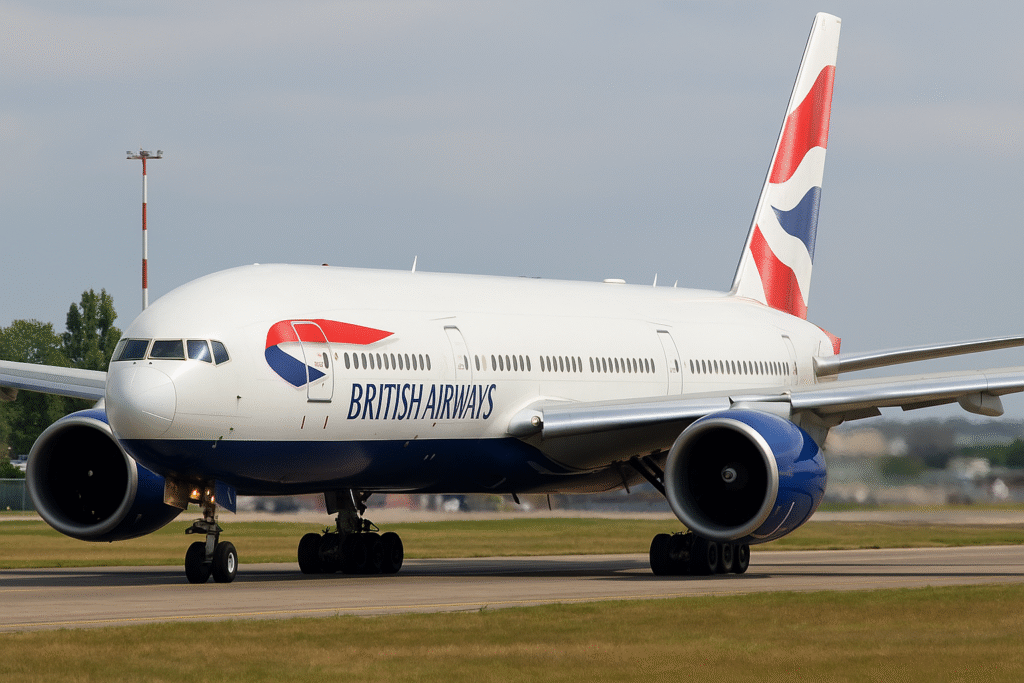
Air travel is often associated with efficiency, speed, and comfort, but at times it reveals its unpredictable and fragile nature. A recent British Airways flight from London Heathrow to Abuja, Nigeria, became the focus of international attention when tragedy struck just two hours after takeoff. An elderly Nigerian passenger, a retired air vice marshal in his eighties, suffered a medical emergency mid-air. Despite the crew’s best efforts to save him, he passed away, prompting the pilots to divert the aircraft to Barcelona for an emergency landing.
The situation quickly spiraled into chaos. Other passengers became distressed, and during the commotion, a pregnant woman reportedly fell ill. Flight crew swiftly enacted safety protocols, but the atmosphere on board was tense and deeply unsettling.
The Passenger’s Final Flight
The deceased passenger had reportedly been in the United Kingdom for cancer treatment before attempting to return home to Nigeria. Sadly, he did not make it to his destination. Once the plane touched down in Barcelona, emergency responders boarded the aircraft, and all passengers were temporarily grounded while the authorities followed the necessary procedures.
British Airways issued a formal statement expressing deep condolences to the bereaved family and apologised for the disruption to other passengers. The airline arranged for a replacement flight, and travelers reached Abuja later that evening.
Ripple Effects of Emergency Diversions
Although the death of a passenger is an extraordinary and rare event, it highlights the unpredictable challenges of modern aviation. A diversion like this not only affects those directly on board but also disrupts airline schedules and airport operations. For travelers, it can mean delays, emotional strain, and logistical complications.
In fact, this British Airways diversion came just days after another high-profile incident in European aviation. A TUI Airways flight from Cardiff to Cyprus had to make an emergency landing in Birmingham after a bird strike damaged its Boeing 737. While no passengers were harmed, Birmingham Airport suspended operations briefly to ensure safety, delaying multiple flights.
Such events demonstrate how emergencies can ripple far beyond the aircraft itself, impacting hundreds of passengers and requiring rapid responses from airlines and airports alike.
Air Travel Safety Under Scrutiny
Airlines train crews extensively to handle in-flight emergencies, but these incidents reveal the limits of preparation. Medical crises in the air are particularly difficult because resources are limited compared to hospitals on the ground. Aircraft are equipped with first-aid kits, oxygen supplies, and often defibrillators, but survival rates during sudden health crises remain low.
Industry experts stress the importance of preventive measures. Encouraging passengers with serious health conditions to consult doctors before long-haul travel, ensuring better communication about medical needs, and investing in upgraded on-board medical technology are among the proposed solutions.
Growing Frequency of Disruptions
Since global travel resumed after the pandemic, airlines have reported more frequent disruptions ranging from delays to cancellations and diversions. Some of this stems from increased demand overwhelming infrastructure, but health-related emergencies are also a factor.
Elderly travelers now make up a significant portion of international passengers, especially on routes linking Europe, Africa, and Asia. This demographic shift brings with it a greater likelihood of medical emergencies in flight. For airlines like British Airways, this means reassessing not only their medical preparedness but also how they communicate and care for passengers when unexpected tragedies occur.
Lessons for the Aviation Industry
The diversion of the London to Abuja flight underscores the importance of robust protocols and the need for continuous improvements. While the crew acted quickly and responsibly, the chaos reported by passengers suggests that more could be done to maintain calm and provide reassurance during emergencies.
Experts recommend:
- Enhanced crew training focused not only on medical response but also on passenger communication.
- Improved onboard medical facilities such as advanced diagnostic equipment or telemedicine links with ground doctors.
- Stronger coordination between airports and airlines to manage diversions with minimal delays and better passenger care.
A Shared Responsibility
The tragedy on the British Airways flight is a sobering reminder that while air travel is one of the safest modes of transportation, it is not immune to sudden crises. Airlines carry the responsibility of ensuring passenger safety, but travelers also play a role in disclosing health conditions, seeking medical clearance before long flights, and preparing medications for use during travel.
As global tourism continues to expand, with millions flying across continents each year, incidents like this highlight the need for a balance between efficiency and preparedness. Air travel safety must remain at the heart of aviation policy, ensuring that passengers feel secure no matter where they fly.
Conclusion: The Fragile Nature of Flight
The British Airways emergency landing in Barcelona will be remembered as a tragic event for one family and a disruptive ordeal for hundreds of others. It reflects the fragility of even the most routine journeys and the importance of safety measures that protect both individual passengers and the wider travel network.
For the aviation industry, this incident is both a tragedy and a lesson. Airlines must continue to adapt to the realities of modern travel, investing in passenger health, emergency response, and operational resilience. For passengers, it is a reminder of the unpredictability of air travel—and the trust we place in airlines every time we board a flight.
For more travel news like this, keep reading Global Travel Wire