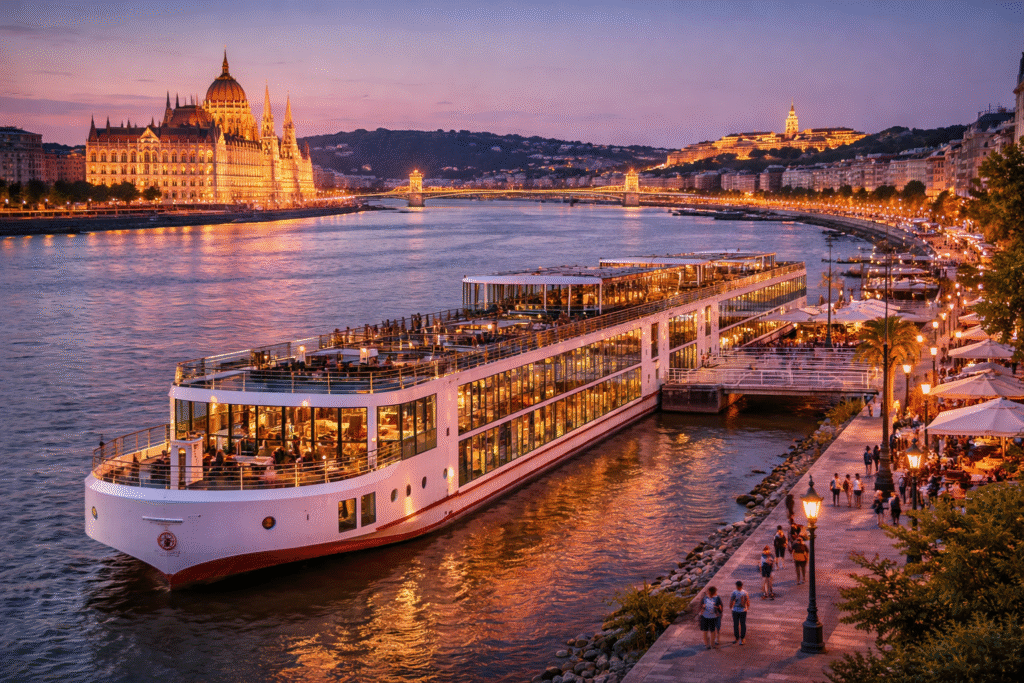
Viking Cruises has intensified recruitment efforts in Budapest for the 2026 travel season. This move highlights the city’s rising importance in European river cruise tourism. As demand for premium river travel increases, cruise operators continue to expand operations along the Danube.
Budapest plays a central role in this growth. Its location, infrastructure, and cultural appeal make it essential for cruise itineraries. Viking Cruises now views the city as a strategic base for staffing and operations.
Rising Demand Fuels European River Cruise Growth
European river cruises continue to attract travelers seeking immersive travel experiences. Guests value slower journeys, cultural depth, and scenic routes. River cruises provide access to historic cities without constant travel disruptions.
Industry data shows steady booking growth for 2026. Many travelers prefer river cruises over large ocean vessels. Sustainability, comfort, and curated experiences drive this preference.
Budapest benefits directly from this trend. The city stands along one of Europe’s most traveled rivers. The Danube connects major cultural capitals across Central Europe.
Budapest Anchors the Danube Cruise Network
Budapest serves as a key embarkation and disembarkation point for Danube cruises. Its port facilities support frequent arrivals and departures. The city also offers strong transport connections for international travelers.
Cruise guests often spend additional nights in Budapest. This pattern boosts local hotels, restaurants, and tour operators. River cruise schedules rely on the city’s reliability and accessibility.
Viking Cruises continues to treat Budapest as an operational cornerstone. The company’s hiring surge reflects long-term confidence in the destination.
Local Recruitment Supports Service Excellence
Viking Cruises focuses on recruiting skilled professionals in Budapest. Roles include hospitality, guest services, entertainment, and ship operations. Local hiring ensures cultural familiarity and language skills.
Budapest offers a strong talent pool with tourism and hospitality experience. Many professionals already support the city’s thriving travel sector. Viking Cruises benefits from this workforce depth.
The recruitment drive also strengthens local employment. Cruise tourism supports jobs beyond ships, including logistics and training services.
Economic Benefits Extend Beyond the River
River cruise growth supports Budapest’s broader tourism economy. Each ship arrival brings spending across multiple sectors. Guided tours, museums, transport providers, and retail outlets benefit.
Cruise travelers often seek premium experiences. This behavior aligns with Budapest’s cultural offerings and historic attractions. Local businesses gain repeat exposure from seasonal cruise schedules.
Employment growth supports economic resilience. Tourism authorities continue to promote river cruising as a sustainable visitor segment.
Viking Cruises Prepares for 2026 Expansion
Viking Cruises plans to expand its European river fleet in 2026. New vessels will require trained crews and operational staff. Budapest remains central to this staffing strategy.
The company emphasizes consistency and service quality. Hiring early allows proper training and operational readiness. This approach supports Viking’s premium positioning.
Budapest’s role extends beyond staffing. The city supports provisioning, logistics, and guest services during cruise operations.
Sustainable Travel Shapes Cruise Strategies
River cruises align with sustainable tourism goals. Smaller vessels reduce environmental impact compared to mass tourism models. Many cruise operators now emphasize responsible travel practices.
Budapest supports sustainability through managed visitor flows. River cruise guests typically explore cities in organized groups. This structure reduces overcrowding and pressure on infrastructure.
Government tourism strategies continue to favor high-value, low-impact visitors. River cruising fits these objectives well.
Cultural Appeal Keeps Budapest Competitive
Budapest continues to attract travelers with architecture, history, and cuisine. Landmarks such as Parliament, Buda Castle, and thermal baths enhance cruise itineraries.
Evening river views and cultural performances add value to cruise experiences. Viking Cruises often features destination-focused programming tied to local heritage.
The city’s appeal supports repeat visits and extended stays. This pattern reinforces its importance within cruise networks.
Future Outlook for River Cruise Tourism
River cruise tourism across Europe shows no signs of slowing. Aging traveler demographics and premium demand support long-term growth. Cruise operators continue to invest in fleet expansion.
Budapest will remain a focal point within this expansion. Infrastructure upgrades and port investments strengthen capacity. Tourism authorities continue to collaborate with cruise operators.
Viking Cruises’ hiring surge signals confidence in sustained demand. The city’s role within European river cruising will likely grow further.
Budapest Secures Its Place on Europe’s Rivers
Viking Cruises’ recruitment drive highlights Budapest’s strategic value. The city anchors Danube itineraries and supports operational excellence. Employment growth and visitor spending strengthen local benefits.
As 2026 approaches, Budapest stands ready to welcome more river cruise travelers. The city continues to balance tourism growth with cultural preservation. European river cruising now views Budapest as an essential hub for the future.
For more travel news like this, keep reading Global Travel Wire