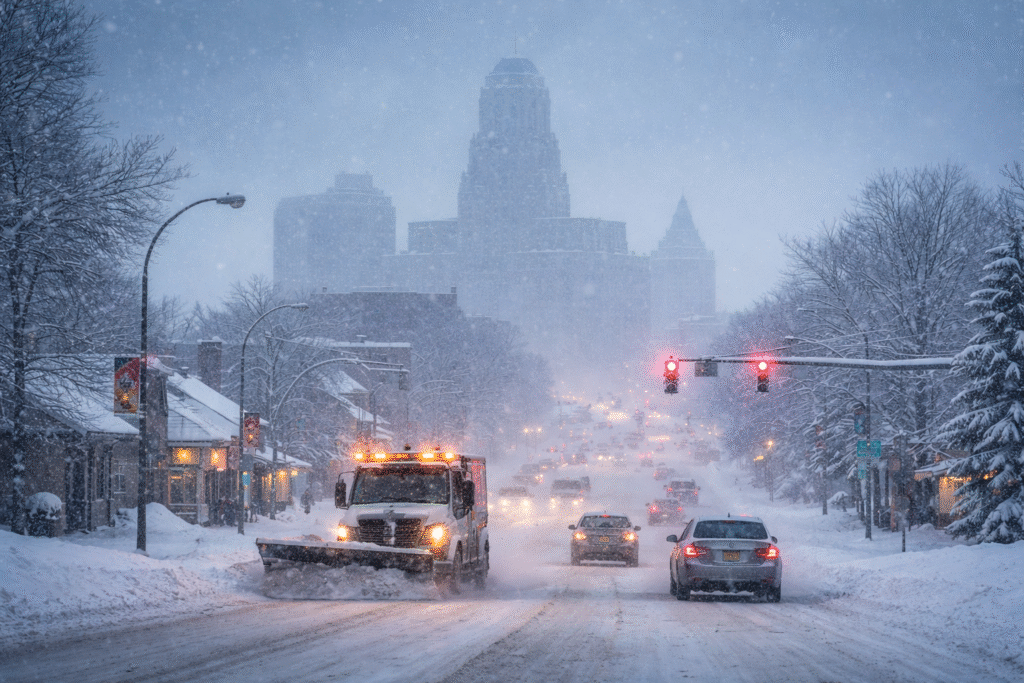
Winter has taken full hold in Buffalo and Western New York as a strong lake-effect snowstorm pushes across the region. Local officials issued the season’s first travel advisory after fast-changing weather conditions began to impact major routes and residential areas. The shift toward winter was already clear with early snowfall, the seasonal opening of ski resorts, and the installation of the Lake Erie ice boom. Now, a more powerful winter system signals that the long cold season has arrived.
Snowband Strengthens Over the Buffalo Metro Area
Meteorologists reported that a concentrated snowband moved into the area shortly after midday. It strengthened rapidly as it traveled across the city and nearby suburbs. Forecasters expect up to six inches of snow before the Lake Effect Snow Warning ends at 1 p.m. on Tuesday, December 16, 2025.
What makes this band unusual is its reach. It is affecting areas outside the typical snowbelt and pushing deeper into Buffalo and the Northtowns. Weather experts note that the storm’s intensity could shift as winds change overnight, making conditions unpredictable.
Travel Conditions Become Difficult as Snow Intensifies
Local officials are urging travelers to limit movement unless necessary. Roads may remain open, but travel could become difficult as visibility drops and snow accumulates. Plow crews from the city and state are expected to work through the event, yet fast-moving squalls may still create hazards.
Buffalo’s lake-effect snow often arrives in narrow but powerful bands. Drivers may experience clear skies at one moment and whiteout conditions the next. Sudden icing and drifting snow could make travel risky even on major highways. Officials emphasize that staying off the roads when possible allows crews and emergency responders to work safely.
Road Salt Reduction Adds Complexity to Winter Road Care
New York State is moving forward with efforts to reduce road salt use. This environmental initiative aims to protect waterways and groundwater. While the long-term benefits are significant, the shift may slow road-clearing efforts during storms.
As a result, drivers should expect slower improvement in road conditions, especially on secondary streets. Transportation officials recommend allowing extra travel time, checking weather updates often, and carrying winter safety kits in vehicles. Conditions may change quickly as snowfall continues and as the snowband shifts direction.
Lake-Effect Snow: A Seasonal Challenge for Travelers
Buffalo is known for some of the most intense lake-effect snow events in the United States. Its position along Lake Erie creates the perfect setup for heavy bursts of snow that develop with little warning.
This storm marks one of the season’s early major events, and more systems are expected throughout the week. Residents and travelers should be prepared for continued disruptions. Tourists visiting the region during winter are encouraged to review travel advisories, understand local driving conditions, and stay flexible with schedules.
Officials Encourage Safety and Cooperation
Local leaders continue to stress the importance of public cooperation. Reducing non-essential travel lowers the risk of accidents and supports road crews who work long hours in dangerous conditions. Emergency responders also depend on open roadways to reach those who need help.
For those who must travel, officials advise driving slowly, increasing following distance, and keeping headlights on. Sudden snow squalls may reduce visibility with little warning. Pedestrians should also remain alert, as sidewalks can become slick and wind gusts may limit visibility.
Extended Winter Weather Likely to Affect Travel Plans
Snow is expected to continue across Western New York over the next several days. The combination of active snowfall and reduced road salt use may keep roads slippery longer than usual. Primary routes will receive priority attention, but secondary roads may take more time to clear.
Travelers should plan for delays, check advisory updates often, and consider alternative routes when possible. Tourism officials remind visitors that Buffalo remains active in winter, but caution is essential when exploring the region during major weather events.
Residents and Visitors Encouraged to Stay Prepared
Winter weather in Buffalo often shifts quickly. Forecasters say that lake-effect snowbands can drift miles within minutes, bringing sudden bursts of snow and sharp drops in visibility. Because of this, both residents and visitors should keep emergency supplies on hand, including warm clothing, food, water, and phone chargers.
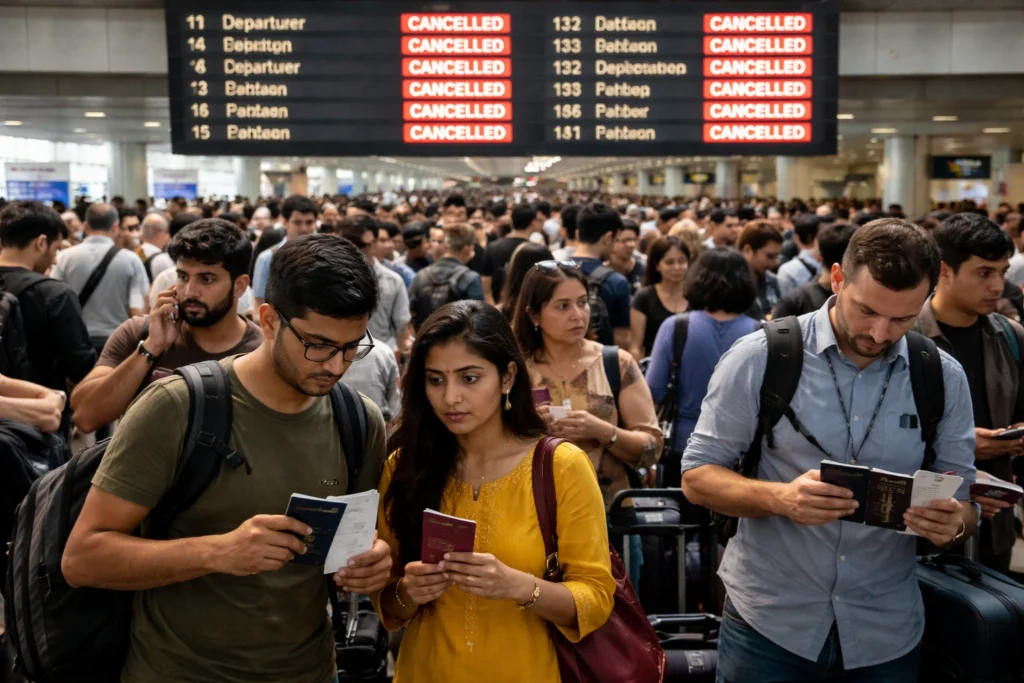
Hotels and tourism centers across the region are preparing to assist travelers who may face delays. Those flying through Buffalo Niagara International Airport may experience schedule changes if visibility drops during peak snow periods.
Looking Ahead as Winter Deepens
As Western New York moves deeper into the winter season, local agencies continue to refine their preparedness plans. The region’s experience with major storms helps officials respond quickly, but cooperation from the public remains essential.
This week’s lake-effect snowstorm is a reminder of how powerful and unpredictable Buffalo’s winter weather can be. Travelers across the United States planning visits to the region should remain informed, follow official guidance, and expect the possibility of changing travel conditions.
For more travel news like this, keep reading Global Travel Wire