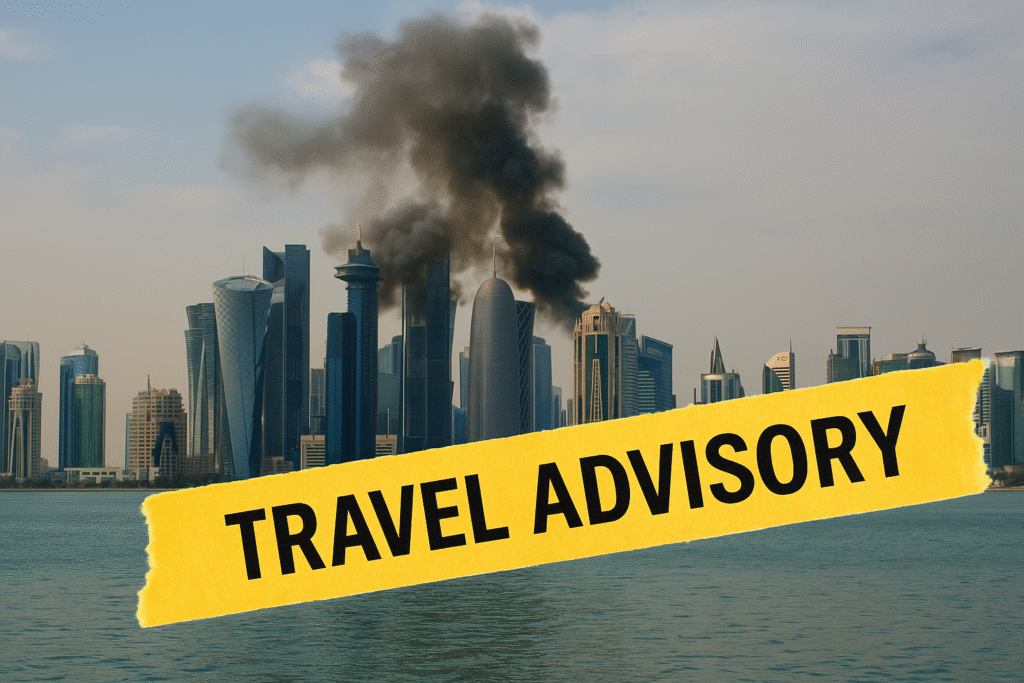
In a significant diplomatic move, Canada has joined Germany, the United Kingdom, Australia, and New Zealand in issuing a travel advisory for Qatar. This collective action comes in response to the September 9, 2025 explosions in Doha, incidents that rattled the Gulf state and highlighted escalating tensions across the Middle East. While the advisories do not impose outright travel bans, they serve as stern warnings urging citizens to reconsider their plans and exercise extreme caution.
The Gulf nation, often celebrated for its modern skyline, international sporting events, and cultural offerings, now faces mounting security concerns that threaten its role as a regional hub. With bombings and growing fears of terrorist activity, the global perception of safety in Qatar has shifted, prompting several governments to raise the alarm.
Canada’s Advisory: Caution Above All
Canada’s advisory was issued within hours of the explosions that struck Doha’s Lusail district. Ottawa warned its citizens of a heightened risk of terrorism, cautioning that foreign nationals, particularly those in public spaces, may be targeted.
The Canadian government highlighted several key concerns:
- Security threats following recent explosions in the capital.
- Potential terror attacks directed at tourist areas, shopping malls, and airports.
- Disruptions in transportation, including possible delays or restrictions on movement.
Canadian travelers have been advised to avoid non-essential travel, register with the embassy for emergency updates, and follow all instructions from local authorities.
Germany Raises Red Flags
Germany, known for issuing detailed and proactive travel guidance, was among the first to act. German officials cited both the September 9 explosions and the broader geopolitical climate as reasons for heightened concern.
Their advisory emphasized:
- The risk of further terrorist incidents targeting foreign nationals.
- Possible transport delays and rerouted flights due to tightened security.
- Regional sensitivities, including Qatar’s political tensions with neighboring states.
The German government has urged its citizens to postpone travel unless absolutely necessary and to remain alert when in public spaces.
UK Cautions Nationals in the Gulf
The United Kingdom also released a strong advisory. British officials pointed to the explosions in Doha as part of a worrying trend of instability in the region. The guidance includes warnings about terrorist threats, transport disruptions, and potential attacks during public gatherings.
British travelers have been told to:
- Stay informed of the latest updates through local and international news.
- Avoid protests and large crowds, which could escalate quickly.
- Prepare for possible flight cancellations or delays.
The UK government has not prohibited travel outright but stresses that citizens should reassess their plans carefully before departure.
Australia Highlights Terrorism Risks
Australia followed its allies in alerting citizens to the dangers of visiting Qatar. Canberra’s advisory noted the potential for future explosions, terror attacks, and disruptions to daily life in Doha and other parts of the country.
Australians are urged to:
- Stay clear of demonstrations and large gatherings.
- Monitor official announcements for updates on safety conditions.
- Secure travel insurance with coverage for emergencies, including evacuation.
Officials underscored that while Qatar remains a significant travel destination, the risks posed by current instability demand extra caution.
New Zealand Warns of Regional Instability
New Zealand joined its allies in advising citizens to be vigilant. Its government stressed that regional conflicts could directly impact Qatar’s stability, particularly as tensions with neighboring states and wider Middle East disputes intensify.
The advisory includes recommendations such as:
- Familiarizing oneself with Qatari laws and customs to avoid unintentional offenses.
- Avoiding crowded public areas where attacks could occur.
- Securing comprehensive travel insurance.
Broader Implications for Tourism in Qatar
These coordinated advisories represent more than individual warnings; they signal a collective shift in how major Western nations view travel safety in Qatar. For a country that has invested heavily in tourism infrastructure, from luxury hotels to international sporting events, the timing is critical.
The Gulf state has long positioned itself as a safe, modern, and welcoming destination. However, the September 9 blasts and subsequent warnings from multiple governments have placed new hurdles in Qatar’s bid to attract global visitors.
Travel experts note that while the advisories are precautionary, they may significantly affect tourism numbers. Travelers may delay or cancel trips, businesses may reconsider hosting events, and airlines could see reduced demand for routes into Doha.
Advice for Travelers
Despite the advisories, travel to Qatar is not banned. Governments emphasize that vigilance, preparation, and awareness are key to staying safe. Travelers considering Qatar should:
- Regularly monitor official updates from their home governments.
- Avoid high-risk areas such as crowded events, protests, or markets.
- Maintain emergency contact information for embassies and local authorities.
- Ensure travel insurance covers medical evacuation and cancellations.
Conclusion: A Year of Heightened Caution
As 2025 unfolds, Qatar faces mounting challenges that extend beyond its borders. With Canada, Germany, the UK, Australia, and New Zealand issuing travel advisories, the international community is taking the security risks seriously. While the advisories stop short of outright bans, they mark a significant moment for Qatar’s image as a safe and modern destination.
For now, travelers are urged to weigh the risks carefully, stay informed, and prioritize safety when making decisions about visiting Qatar. The situation remains fluid, and the coming months will be crucial in determining whether tensions ease or further escalate.
For more travel news like this, keep reading Global Travel Wire