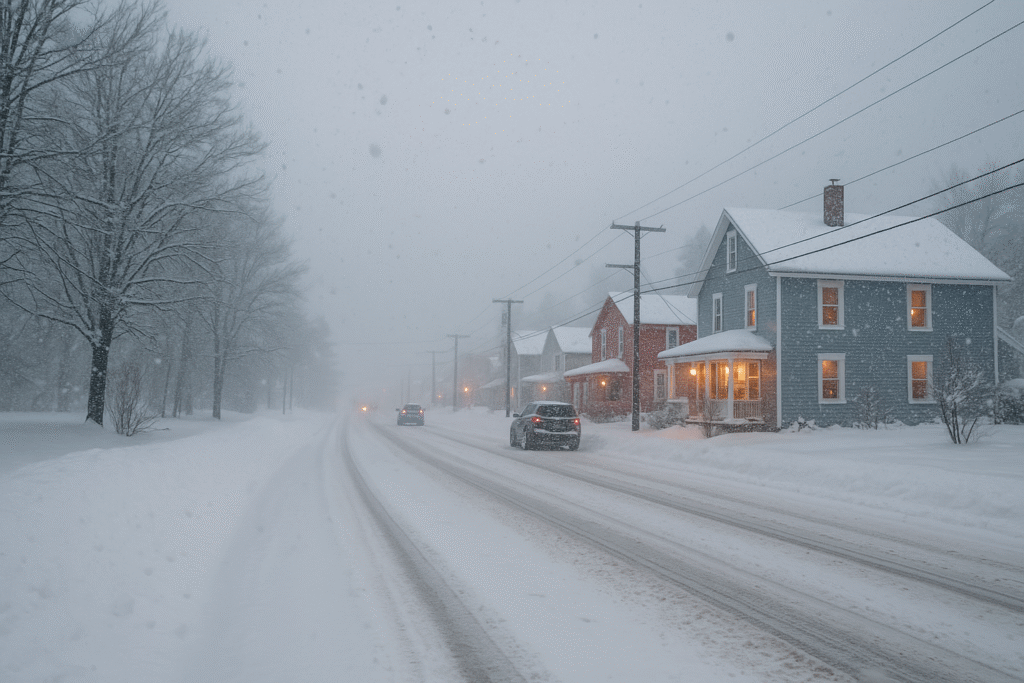
Canada is set for a dramatic shift in winter weather this November. Forecasters indicate that much of the country will see higher-than-normal snowfall, coupled with powerful storm systems. From the Pacific coast to the Atlantic, conditions are expected to be volatile.
Why This November Is Not Business As Usual
Changing climate patterns and shifting jet streams are influencing the emerging winter outlook. Long-range forecasts already highlight that western and central Canada may experience above-normal snow cover. At the same time, storm systems moving in from the Pacific and Arctic will increase precipitation and cold air influx.
Regional Forecast Snapshot
Western Canada
In provinces such as British Columbia and Alberta, mountain and coastal zones are likely to receive above-average snow amounts. The influx of Pacific moisture is expected to enhance precipitation, particularly in high-elevation ski regions.
Prairies
Alberta and Saskatchewan should prepare for mixed weather early in the month — with rain, sleet and snow shifting as temperatures flip. By mid-November, heavier snowstorms may become more frequent, impacting travel and outdoor access.
Central Canada
Ontario and Quebec are projected to have near-normal snowfall initially. However, as cold fronts migrate south later in the month, snow accumulation may accelerate, offering heavy totals in late November.
Atlantic Canada
The Maritimes — including Newfoundland and Labrador — are bracing for dynamic conditions. Early-month rain and sleet may give way to full snowstorms as colder air moves in, posing tougher travel and infrastructure challenges.
Impacts on Travel, Tourism & Services
Heavy snowfall and strong storms will influence daily routines, tourism flows and infrastructure.
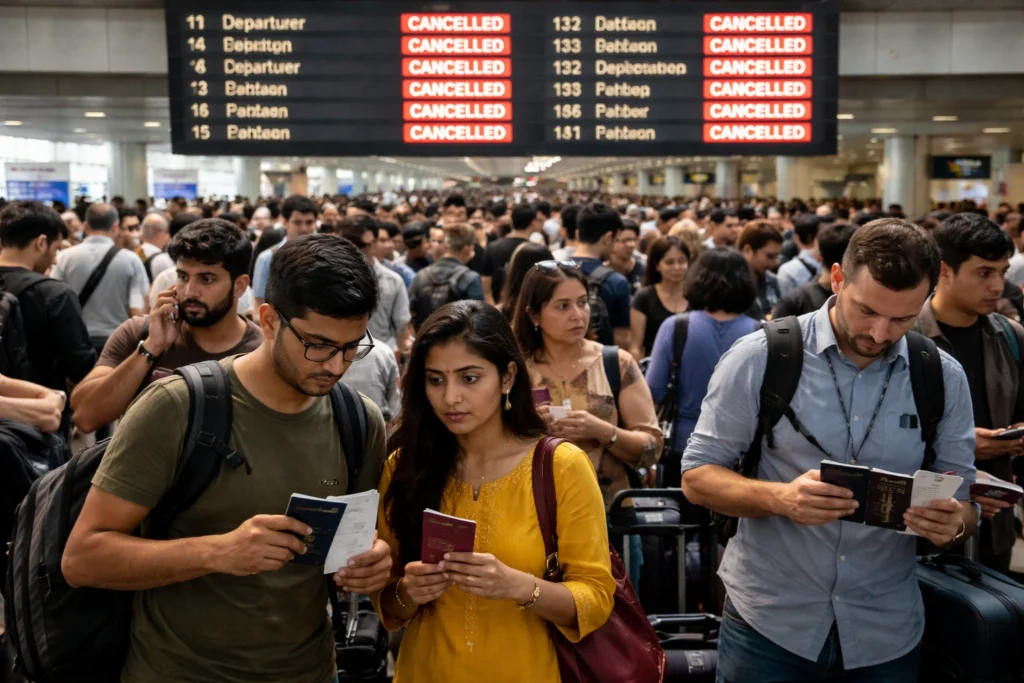
- Travel disruption: Road closures, flight delays and hazardous driving conditions are likely. Tourists and local travellers alike should monitor local weather advisories.
- Winter sports boost: Ski resorts in western Canada will see early-season gains from higher snow totals. That said, rapid accumulation can also challenge access roads and require enhanced safety protocols.
- Municipal readiness: Cities must review snow-removal plans and ensure that emergency services are equipped. Sudden snow loads and icy conditions may strain resources.
- Home and vehicle prep: In heavy-snow zones, residents are urged to winter-proof homes, vehicles and walkways. Sufficient heating capacity and cleared exits will be crucial.
What Tourists and Visitors Should Know
- Check regional forecasts: Snowfall will vary widely by region — what’s expected in the Rockies may differ greatly from eastern provinces.
- Adjust travel times: Avoid scheduling critical journeys during peak storm periods. Build in contingency time.
- Pack accordingly: Winter gear, including proper boots and outerwear, is essential for destinations likely to see deep snow.
- Embrace early-season fun: For ski and snowboard enthusiasts, higher snow levels in western Canada mean a strong start to the season — but always verify lift and trail status.
- Stay connected: Local weather services and national outlets are issuing updates and warnings — keeping informed will reduce risks.
Final Takeaway
This November promises to be a turning point for winter in Canada. With the potential for above-average snowfall and potent storm systems, both residents and visitors need to prepare for changing conditions. Whether it’s winter sports excitement in the mountains and slopes or logistical readiness in urban centres and rural towns, the message is clear: stay alert, plan ahead and embrace the season safely.
For more travel news like this, keep reading Global Travel Wire