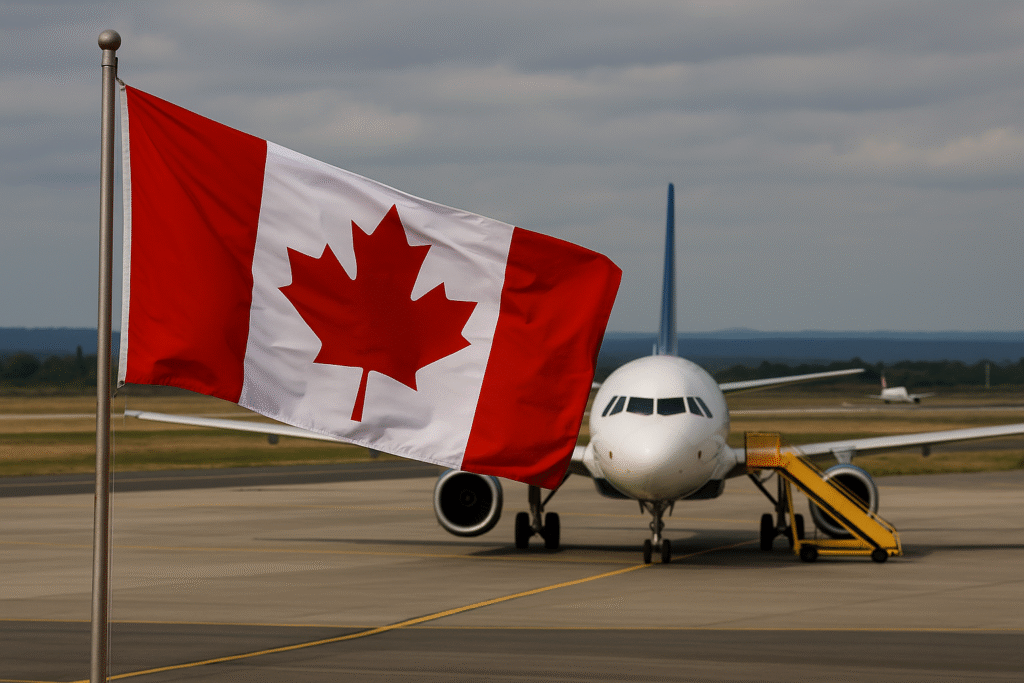
As Fall 2025 begins, the Government of Canada has updated its global travel advisory list, adding Ethiopia, Nepal, Lebanon, Nigeria, the Democratic Republic of Congo (DRC), and Chad. These nations are currently experiencing severe political instability, armed conflicts, and unpredictable security challenges. Canadian authorities have urged citizens to avoid non-essential travel to these destinations, citing the growing risks of terrorism, civil unrest, and violent confrontations.
The advisory reflects Canada’s heightened concern for the safety of its travelers abroad. It underscores the rapid deterioration of conditions in several regions, where crises can escalate with little or no warning.
Ethiopia: Political Turmoil and Regional Violence
Ethiopia has faced recurring instability over the past decade, with conflicts in regions such as Amhara, Tigray, and Benishangul-Gumuz creating deep insecurity. Despite a ceasefire in Tigray signed in 2022, armed groups remain active, and outbreaks of violence continue to unsettle the country.
Key Risks:
- Armed clashes in northern and central provinces
- High crime rates in Addis Ababa and other urban centers
- Dangerous border zones near Eritrea, Somalia, and Sudan
The Canadian government advises avoiding all non-essential travel to Ethiopia, as roadblocks, curfews, and sudden communication blackouts are common in high-risk areas.
Nepal: Political Unrest and Demonstrations
Nepal, a country long celebrated for its Himalayan trekking routes, is currently grappling with political uncertainty and recurring street protests. While many tourist hubs remain open, tensions have escalated in recent months, with demonstrations in Kathmandu and other cities occasionally turning violent.
Key Risks:
- Violent protests disrupting transport and daily life
- Petty theft in tourist-heavy neighborhoods such as Thamel
- Sporadic curfews following clashes between security forces and protestors
Travelers are urged to remain vigilant, avoid large gatherings, and monitor local media regularly for safety updates.
Lebanon: A Country on Edge
Lebanon continues to face severe political instability and regional tensions, particularly along the border with Israel. Armed groups maintain strongholds in parts of the country, and violence can erupt unexpectedly.
Key Risks:
- Southern Lebanon and Nabatieh remain volatile due to military activity
- Kidnapping and armed violence in certain Beirut suburbs
- Sporadic clashes and rocket fire near border areas
Given the fragile security situation, Canada advises travelers to reconsider plans to visit Lebanon unless absolutely essential.
Nigeria: Terrorism and Armed Conflict
Nigeria’s security challenges remain among the most complex in Africa. The country faces a combination of terrorist threats, militant activity, and intercommunal clashes, particularly in northern and delta regions.
Key Risks:
- Frequent terrorist attacks and kidnappings in northern states
- Militancy and armed robberies in the Niger Delta region
- Risks of bombings and violent attacks even in the capital, Abuja
Canadian officials recommend that travelers avoid unnecessary movement after dark and take strong precautions if travel to Nigeria cannot be avoided.
Democratic Republic of Congo: Conflict and High Crime
The Democratic Republic of the Congo (DRC) continues to battle ongoing conflicts, particularly in its eastern provinces. Armed groups remain active in North Kivu, South Kivu, and Ituri, while political instability in Kinshasa has fueled protests and unrest.
Key Risks:
- Kidnappings and ethnic violence in eastern provinces
- Armed clashes near Virunga National Park and border areas
- Unpredictable demonstrations in the capital
Due to the volatile situation, the Canadian government has issued strong warnings against non-essential travel, urging citizens already in the DRC to register with embassies and avoid public gatherings.
Chad: Fragile Political Transition and Security Concerns
Chad is currently undergoing a fragile political transition, marked by violent protests and growing threats from rebel groups near border areas. The instability has made both urban and rural areas unsafe for visitors.
Key Risks:
- Terrorist threats and armed robberies in the capital, N’Djamena
- High danger along borders with Sudan, Libya, and the Central African Republic
- Heightened risk of kidnapping and targeted violence against foreigners
Travelers are advised to remain in secure accommodations and avoid unnecessary travel, particularly at night.
What This Means for Canadian Travelers
The addition of six countries to Canada’s Fall 2025 travel advisory highlights a broader pattern of global instability. While each of these nations offers rich cultural heritage, natural wonders, and historical importance, their current conditions make tourism highly risky.
Travelers considering these destinations are strongly encouraged to:
- Stay informed through trusted news sources and local updates.
- Register with Canadian embassies for emergency support.
- Avoid high-risk regions, particularly border zones and protest hotspots.
- Prepare contingency plans, including securing travel documents and emergency contacts.
Conclusion
Canada’s latest advisory serves as a reminder that global travel requires careful planning and risk awareness. As Ethiopia, Nepal, Lebanon, Nigeria, Congo, and Chad navigate political unrest and security crises, the safety of foreign nationals remains uncertain.
For Canadians, the priority is clear: stay cautious, reconsider non-essential travel, and always prioritize personal safety when exploring regions facing instability.
For more travel news like this, keep reading Global Travel Wire