Canada has issued an updated travel health advisory after a rise in dengue fever cases across several popular international destinations. The Philippines joins countries such as Cuba, Belize, Cambodia, China, Vietnam, and others where travelers face increased health risks.
The advisory highlights growing concerns over mosquito-borne diseases in tropical and subtropical regions. Officials urge tourists to take preventive measures before and during travel. The update reflects an increase in reported dengue infections worldwide and aims to keep travelers informed and safe.
Tourism experts note that health advisories like this do not discourage travel but encourage informed planning. Travelers should remain cautious while enjoying destinations known for beaches, culture, and adventure tourism.
Understanding Dengue Fever and Its Impact on Travel
Dengue fever is a viral infection transmitted through the bite of infected mosquitoes. The Aedes mosquito species spreads the disease. These mosquitoes often bite during daylight hours, which increases exposure risk for travelers engaged in sightseeing or outdoor activities.
Symptoms often resemble flu-like illness. Common signs include high fever, headache, pain behind the eyes, joint and muscle aches, skin rash, and nausea. While many cases remain mild, some patients develop severe complications.
Serious dengue symptoms may include persistent vomiting, abdominal pain, breathing difficulties, bleeding, and extreme fatigue. Severe cases require immediate medical attention.
Travelers visiting high-risk destinations should understand the signs of infection. Early detection can reduce complications and help travelers seek timely medical care.
Why the Philippines Remains a Key Concern
The Philippines continues to experience periodic dengue outbreaks due to its tropical climate and seasonal rainfall patterns. Urban density and warm temperatures allow mosquitoes to thrive year-round. Popular tourist areas, including beach destinations and major cities, can still carry risk despite ongoing prevention efforts.
Local authorities regularly run mosquito control programs and public awareness campaigns. However, visitors unfamiliar with local conditions may face higher exposure. Travelers often spend time outdoors exploring markets, islands, and cultural landmarks, which increases mosquito contact.
Tourism remains strong across the country. Experts advise visitors to remain vigilant without canceling travel plans unnecessarily.
Other Destinations Facing Elevated Dengue Risk
Canada’s advisory extends beyond Southeast Asia. Several regions across Latin America, the Pacific, Africa, and South Asia report higher-than-average dengue activity.
Affected destinations include Cuba, Belize, Guatemala, Panama, Puerto Rico, Vietnam, Cambodia, China, Pakistan, Bangladesh, and several Pacific island nations. Parts of Africa, including Senegal and Sudan, also face increased risk.
These destinations attract millions of international visitors each year. Rising dengue cases reflect broader environmental changes, including climate shifts, urban growth, and expanded mosquito habitats.
Travelers should check seasonal patterns before departure. Dengue transmission often increases during rainy seasons when mosquito breeding sites multiply.
Prevention Remains the Best Protection for Travelers
Health officials stress that preventing mosquito bites remains the most effective defense. No widely available dengue vaccine exists for travelers from Canada. Treatment focuses mainly on managing symptoms rather than eliminating the virus.
Travelers can reduce risk through simple precautions:
- Wear long sleeves and lightweight long pants outdoors.
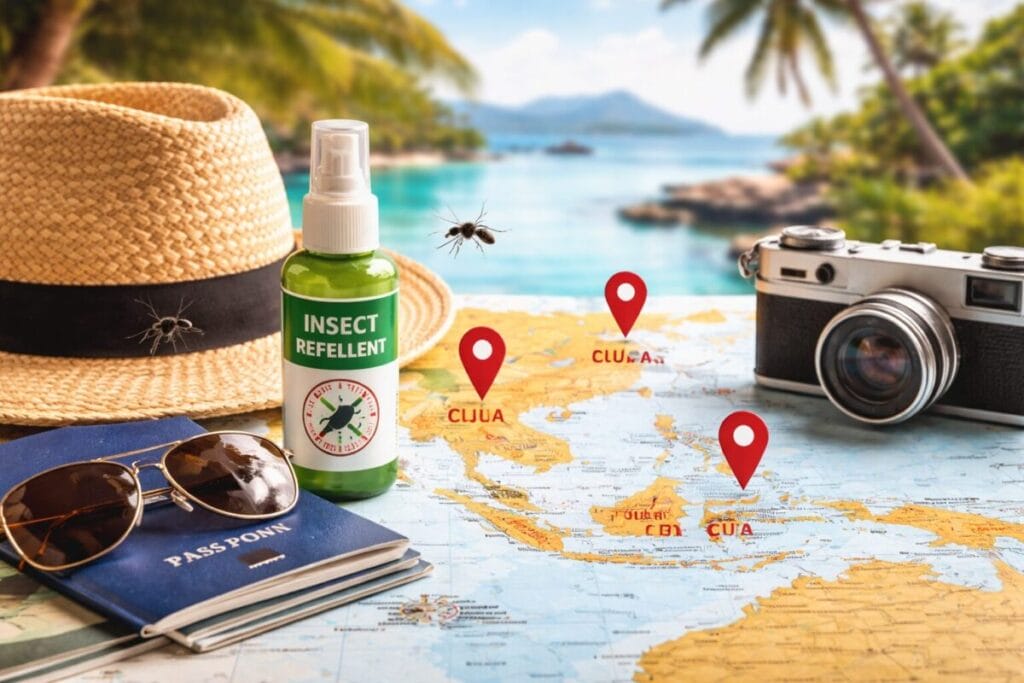
- Apply insect repellent regularly, especially during daytime activities.
- Stay in air-conditioned or screened accommodations.
- Use mosquito nets where appropriate.
- Avoid stagnant water areas where mosquitoes breed.
Hotels and tourism operators increasingly provide mosquito prevention tools, but travelers should carry personal supplies for extra protection.
Pre-Travel Health Planning Is Essential
Travel medicine specialists recommend consulting a healthcare provider before visiting dengue-prone destinations. Ideally, travelers should seek advice several weeks before departure.
Health consultations allow travelers to discuss medical history, receive destination-specific recommendations, and prepare preventive strategies. Even last-minute travelers can benefit from professional guidance.
Travel insurance and awareness of local healthcare facilities also play important roles. Understanding where to seek treatment abroad ensures quicker response if symptoms appear.
Tourism Industry Responds to Health Alerts
The global tourism sector continues adapting to health advisories. Airlines, hotels, and tour operators now emphasize traveler education alongside safety practices. Many destinations promote mosquito control campaigns and improved sanitation measures to protect residents and visitors alike.
Travel trends show that tourists remain interested in tropical destinations despite health alerts. Instead of canceling trips, travelers increasingly focus on preparation and risk management.
Tourism authorities encourage balanced messaging. Awareness helps maintain traveler confidence while reducing health risks.
Staying Safe While Traveling to Dengue-Prone Regions
Health advisories remind travelers that awareness and preparation can significantly reduce exposure. The Philippines and other affected destinations remain open and welcoming to tourists, but visitors should remain cautious.
Simple habits such as using repellents, wearing protective clothing, and monitoring symptoms can make a major difference. Travelers who develop fever or unusual symptoms during or after travel should seek medical care promptly.
As international travel continues to rebound, health guidance plays a crucial role in keeping tourism safe. By staying informed and taking preventive steps, travelers can enjoy global destinations while minimizing risks associated with dengue fever.
For more travel news like this, keep reading Global Travel Wire