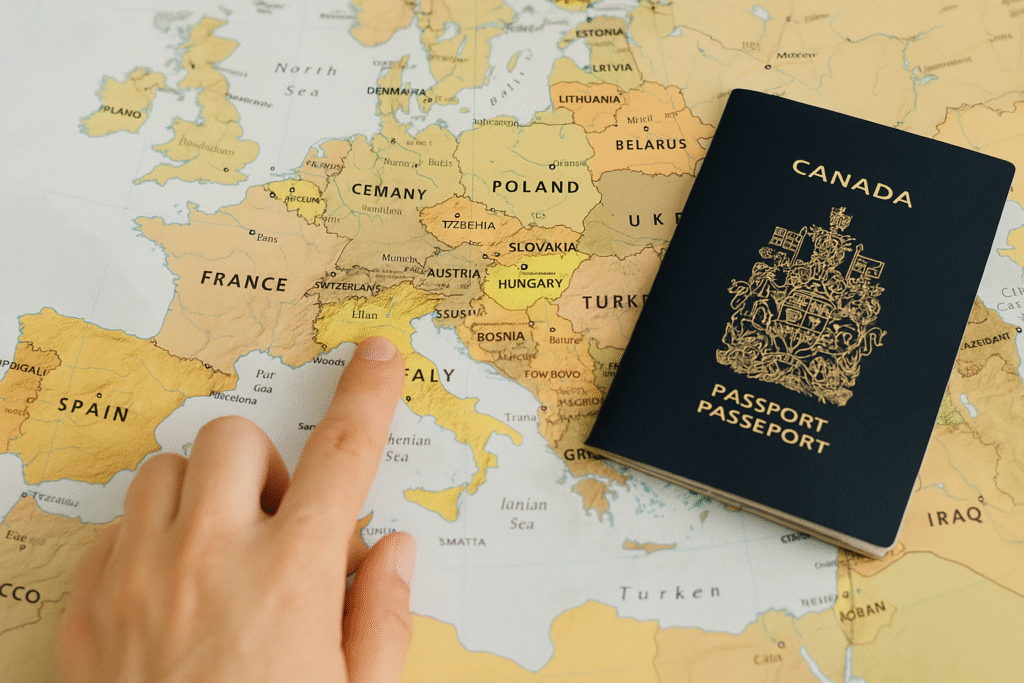
The Canadian government has issued an updated travel advisory covering several high-profile holiday destinations. Visitors to France, Mexico, Italy, Brazil, Turkey, the United Kingdom and China face elevated risks related to terrorism, violent crime and social unrest. The move signals increased caution for travellers planning trips to these overseas locations.
France: Enhanced Vigilance Recommended
France remains a major draw for tourists, yet authorities highlight serious security threats. The Canadian advisory notes an “elevated threat of terrorism” throughout the country, signalling a need for extra caution. France’s national alert system, known as Vigipirate, currently operates at its highest alert level – “attack emergency” – reinforcing the reality of potential strikes in public spaces.
Visitors should expect visible military and police patrols in airports, major stations and tourist zones. Pickpocketing and small-scale theft continue in crowded areas, especially within metropolitan transit systems. The advice: secure valuables, stay aware in busy surroundings and avoid large demonstrations.
Mexico: Avoid High-Risk Zones
In Mexico, violent crime linked to organised groups remains a serious concern, especially in major cities and border regions. The travel advisory highlights armed robberies, carjackings and violent assaults as risks for tourists in places like Mexico City, Guadalajara and Tijuana. Areas near the U.S. and Guatemala borders face heightened danger from drug trafficking and cartel activity.
Tourists are encouraged to travel during daylight hours, stick to well-lit popular zones, use trusted transport and avoid night travel alone. Local advice includes staying in groups and limiting time spent in isolated or border-adjacent regions.
Italy: Strong Mass-Tourism Appeal — but Be Alert
Italy continues to welcome large visitor numbers. However, Italy also faces threats from terrorist networks and persistent petty crime. Urban hubs such as Rome, Venice and Milan are especially vulnerable.
Terrorism risks include possible attacks in public venues like airports, museums and cultural sites. Meanwhile, pickpocketing remains rampant at major tourist spots such as the Colosseum and train stations. Car theft and break-ins are prevalent in coastal tourist zones.
Smart travel tips: keep valuables hidden, avoid drawing attention with expensive items, lock vehicles and maintain awareness in crowded places.
Brazil: Stunning Scenery with High Crime Risks
Brazil’s vibrant landscapes and culture draw travellers worldwide. But the advisory underlines serious security challenges across cities and border regions. Armed robberies, assaults and confrontations between gangs and law enforcement are major worries in places like Rio de Janeiro, São Paulo and Salvador.
Border zones with Argentina, Paraguay and Bolivia are especially unstable, with smuggling and drug-trafficking gangs operating. In tourist hotspots, theft and bag-snatching are common, especially during large events or on public transit.
Prudent travellers should avoid border regions, be mindful of surroundings and never engage with or resist criminals.
Turkey: Rich History Meets Security Complexities
Turkey remains popular for its history and hospitality. Still, the travel advisory flags the southeastern border areas near Syria and Iraq as unpredictable and high-risk. Terrorism remains a significant threat in cities such as Istanbul and Ankara, where public venues and tourist hotspots may be targeted.
Political demonstrations can also escalate quickly into violence and disrupt transport services. Visitors should avoid protests, monitor local news and steer clear of unstable regions, particularly near national borders.
United Kingdom: Urban Dynamic with Security Awareness Needed
The UK, especially London, remains a top destination, yet the advisory emphasises ongoing terrorism risk and civil unrest. Busy areas like transport hubs and shopping districts may attract attackers.
Moreover, large crowds and tourist gatherings are ideal settings for pickpockets and opportunistic theft. Demonstrations, though often peaceful, can deteriorate or cause travel disruption. Travellers should stay alert in crowded places, secure their personal items and avoid protest areas.
China: Major Travel Magnet with Diverse Security Concerns
China offers major cultural and economic appeal, but travellers must understand the layered risks. Regions like Xinjiang and Tibet have enhanced security measures – including checkpoints and ID checks – which may affect travel plans.
In major urban centres, petty theft remains common on public transport and in crowded markets. Cybersecurity is another dimension: public Wi-Fi and unfamiliar networks may expose travellers to scams or data breaches.
Best practices include avoiding public Wi-Fi for sensitive transactions, using secure payment methods and remaining aware of local rules, especially in restricted or unrest-sensitive zones.
Travel Smart: Essential Precautions for Global Trips
While each destination presents unique challenges, the overarching message from Canada’s advisory is consistent: exercise heightened vigilance, stay flexible and prioritise safety. Recommended actions for travellers include:
- Registering with your country’s travel support service for updates and alerts.
- Monitoring local news and authorities for evolving security conditions.
- Avoiding protests, crowds and politically charged events.
- Securing valuables, limiting displays of wealth and using reputable transport.
- Staying informed about regional advisories, especially for border zones.
- Sharing your itinerary and contact details with someone back home.
Travellers should balance the excitement of exploring new cultures with pragmatic safety awareness. These seven countries continue to offer rich experiences, but current conditions call for extra care and good planning.
For more travel news like this, keep reading Global Travel Wire