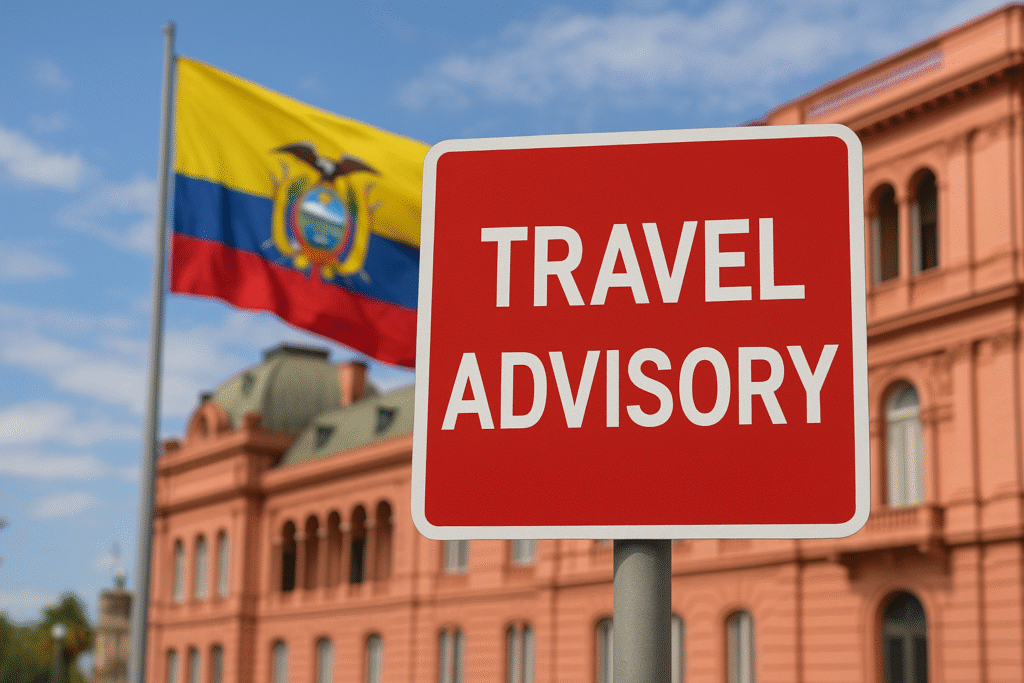
As international tourism gears up for the post-monsoon and autumn seasons, the Government of Canada has released a strong travel advisory for Fall 2025. The advisory highlights growing safety risks in Ecuador, Morocco, Laos, Mexico, Colombia, Peru, and Brazil, urging travelers to remain alert.
The decision comes after heightened concerns over violent crime, terrorism threats, political unrest, and organized gang activity in several popular destinations. While these countries remain major tourist attractions, Canadian authorities stress the need for travelers to exercise a high degree of caution.
Ecuador: Escalating Crime and State of Emergency
Ecuador, a country renowned for the Galápagos Islands and the Andes, now faces deepening security issues. Rising violent crime, kidnappings, and gang activity have pushed it onto Canada’s high-risk list.
- Border Concerns: Areas within 20 km of the Colombian border and 2 km of the Peruvian border are flagged due to drug trafficking and the presence of landmines.
- Urban Violence: Cities like Quito and Guayaquil are experiencing a surge in robberies and extortion.
- Emergency Restrictions: Provinces including Pichincha and Guayas are under curfew, with increased military presence.
Morocco: Rising Terrorism and Demonstrations
Morocco, long seen as a safe gateway to North Africa, is facing rising threats from terrorism and civil unrest.
- Western Sahara and Algeria Borders: Highly militarized and unpredictable, these areas are considered unsafe.
- Terrorism Risks: Government buildings, religious sites, and tourist attractions are potential targets.
- Protests: Demonstrations in Rabat and Casablanca can escalate into violence, disrupting travel plans.
Despite these concerns, major attractions like Marrakech and Fez remain open, though vigilance is urged.
Laos: Security Challenges in Remote Regions
Laos, with its serene temples and landscapes, faces challenges in less-developed provinces.
- Xaisomboun Province: Ongoing tensions and sporadic violence make it a no-go zone.
- Golden Triangle Risks: Along borders with Thailand and Myanmar, organized crime and drug trafficking dominate.
- Urban Petty Crime: Vientiane and Luang Prabang see rising theft and bag snatching.
- Unexploded Ordnance: Rural areas still pose dangers from landmines left over from past conflicts.
Mexico: Organized Crime and Kidnapping Threats
Mexico remains a top tourist draw, but Canada’s advisory reflects mounting violence.
- Gang Clashes: States such as Guerrero, Chiapas, and Jalisco are flashpoints for clashes between cartels and security forces.
- Kidnapping Concerns: Virtual and express kidnappings are on the rise, particularly in northern states.
- Petty Theft: Mexico City, Cancun, and other tourist hubs are hotspots for pickpocketing and scams.
- Regional Advisories: Non-essential travel is discouraged in Michoacán, Guanajuato, and Tamaulipas.
Colombia: Progress Shadowed by Crime
Colombia’s tourism industry has grown, but risks remain significant.
- Border Instability: Armed groups remain active near the Venezuelan and Panamanian borders.
- Urban Crime: Bogotá and Medellín, though popular, report incidents of armed robbery.
- Scopolamine Risk: Tourists may be targeted with this drug, leaving them vulnerable to theft and assault.
- Illegal Groups: Extortion and kidnappings still occur in remote areas.
Peru: Protests and Domestic Terrorism
Peru, home to Machu Picchu, continues to face political turmoil and sporadic violence.
- Terrorism Threats: Certain valleys in San Martín and Huallaga remain dangerous due to armed groups.
- Social Unrest: Frequent protests disrupt transportation, sometimes leading to violent clashes.
- Petty Crime: Lima and Cusco experience high levels of theft against tourists.
- Landmine Hazards: Border regions with Ecuador remain unsafe for exploration.
Brazil: Gang Violence in Urban Hotspots
Brazil, known for Carnival and the Amazon, faces severe security issues in its cities.
- Urban Crime: Rio de Janeiro, São Paulo, and Recife are grappling with gang violence, including robberies and carjackings.
- Border Issues: Smuggling activities make Brazil’s frontiers dangerous.
- Petty Crime: Tourist areas, markets, and beaches are hotspots for theft.
- Favela Risks: Many neighborhoods remain unsafe due to limited police control and gang presence.
Global Travel Outlook
Canada’s travel advisory for Fall 2025 underscores the complex and changing security landscape. Political instability, organized crime, and terrorism threats create heightened risks for travelers in several regions.
The allure of these countries—whether it’s Ecuador’s natural wonders, Morocco’s cultural charm, or Brazil’s vibrant festivals—remains undeniable. However, safety must remain the top priority.
Travelers are advised to:
- Stay updated on local developments.
- Avoid high-risk border zones.
- Follow curfews and state advisories.
- Exercise caution with personal belongings.
- Reconsider non-essential travel to flagged regions.
Conclusion
Tourism in Fall 2025 comes with a greater set of challenges. Canada’s advisory signals that while exploration is still possible, responsible travel planning and heightened vigilance are essential. For those determined to visit these destinations, careful preparation, awareness of restrictions, and adherence to safety guidelines will be key to ensuring a safe and memorable journey.
For more travel news like this, keep reading Global Travel Wire