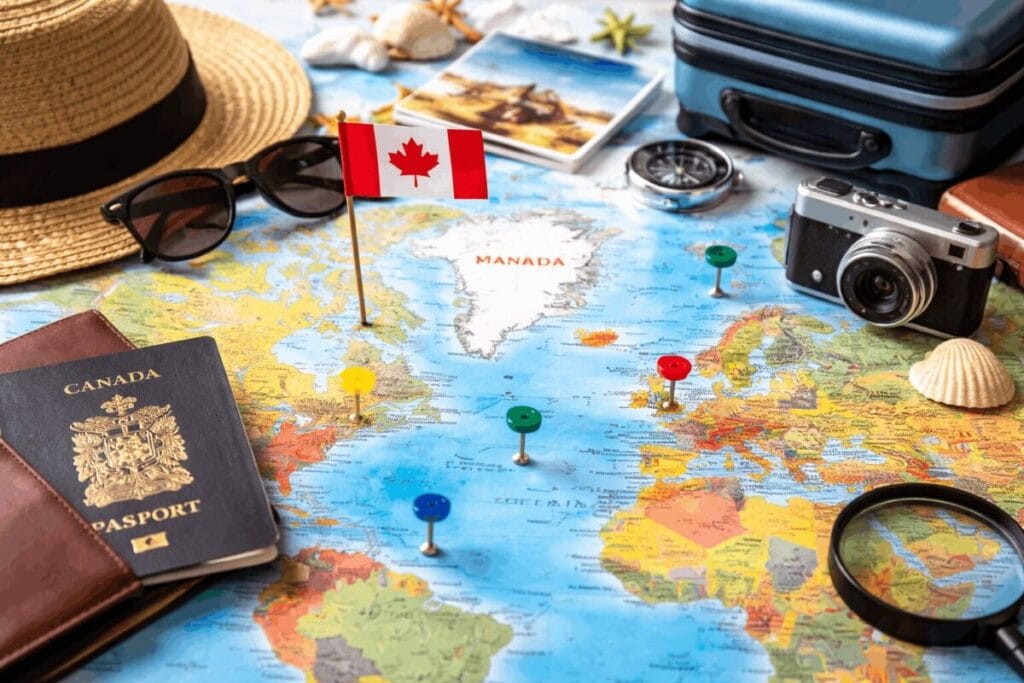
Canada has released an updated Level 1 travel advisory for several popular destinations, including the United States, Greenland, Saint Lucia, Barbados, Poland, Ireland, Saint Kitts and Nevis, and Portugal. The advisory encourages travellers to exercise normal security precautions while highlighting evolving global risks, changing entry rules, and passport requirements.
Despite growing security concerns worldwide, these destinations remain among the safest and most welcoming for Canadian tourists. The advisory focuses on awareness rather than discouragement, emphasizing preparation, vigilance, and informed travel planning.
Understanding the Level 1 Travel Advisory
A Level 1 advisory indicates that Canadians can travel normally but should stay aware of local conditions. Authorities urge travellers to monitor updates, follow local laws, and maintain basic safety practices.
Recent global developments such as shifting border policies, increased demonstrations, and stricter entry documentation have influenced the advisory. Governments continue to refine travel rules to enhance border security, which can make entry procedures more complex.
United States: Popular Destination with Urban Safety Considerations
The United States remains one of the most visited destinations for Canadians due to its proximity and diverse attractions. Major cities, national parks, and entertainment hubs continue to draw large numbers of tourists.
Travellers should remain alert in busy urban areas. Petty theft, including pickpocketing, can occur in crowded locations. Certain neighbourhoods experience higher rates of violent crime, especially after dark.
Gun-related incidents remain rare for tourists but attract global attention. Visitors are encouraged to learn emergency procedures and stay informed about local safety alerts.
Canadian citizens must carry valid passports when flying to the United States. Land crossings also require proper identification, such as a passport or approved travel card.
Greenland: Remote Arctic Beauty with Environmental Risks
Greenland offers dramatic landscapes, glaciers, and unique cultural experiences. Crime rates remain low, making it a generally safe destination. However, environmental hazards present the biggest challenge.
Extreme weather conditions, sudden storms, and remote terrain require careful planning. Adventure travellers should use licensed guides and ensure they have proper gear.
Due to the island’s remote nature, emergency response times can be longer. Travel insurance covering evacuation and medical assistance is strongly recommended.
Saint Lucia: Tropical Escape with Basic Safety Awareness
Saint Lucia continues to attract travellers seeking beaches, rainforests, and luxury resorts. While overall safety remains strong, petty crime such as bag snatching and pickpocketing may occur in busy tourist areas.
Travellers should avoid displaying valuables and remain cautious in poorly lit or isolated locations at night. Festival seasons often bring larger crowds, which can increase theft risks.
Canadian visitors must carry valid passports, and families travelling with minors should ensure proper documentation is ready before arrival.
Barbados: Relaxed Caribbean Destination with Low Crime Levels
Barbados stands out as one of the safer Caribbean islands. Its beaches, cultural events, and hospitality industry appeal to a wide range of travellers.
Petty theft can happen in busy nightlife areas or markets. Visitors should secure personal belongings and avoid walking alone in unfamiliar locations late at night.
Passport validity requirements apply, and travellers should confirm entry rules before departure to avoid delays at immigration.
Poland: Historic European Hub with Modern Travel Infrastructure
Poland continues to grow as a popular European destination thanks to its historic cities, efficient transport networks, and affordable tourism options. Warsaw, Kraków, and Gdańsk attract cultural travellers year-round.
The main safety concerns include pickpocketing in crowded public transport and tourist districts. Cybercrime risks also exist, especially on unsecured public Wi-Fi networks.
Canadian travellers can enter Poland for short stays without a visa, but passport validity rules still apply under Schengen Area regulations.
Ireland: Scenic Landscapes with Strong Safety Record
Ireland offers a combination of historic attractions, coastal scenery, and vibrant city life. It maintains a reputation as one of Europe’s safest destinations.
Visitors should remain aware of pickpocketing in busy areas and take precautions when using rental cars. Keeping valuables out of sight helps reduce risk.
Canadian tourists can visit visa-free for short stays. Passports must remain valid throughout the trip.
Saint Kitts and Nevis: Quiet Caribbean Retreat
Saint Kitts and Nevis appeal to travellers seeking relaxation away from crowded resorts. Crime levels remain relatively low, but petty theft can occur during festivals or peak travel seasons.
Visitors should avoid isolated beaches after dark and follow safety guidelines for water activities. Coastal conditions may change quickly, and rescue services can be limited in remote areas.
Passports should have sufficient validity before arrival to meet entry requirements.
Portugal: Safe European Favourite with Rising Popularity
Portugal continues to rank among Europe’s safest destinations. Lisbon, Porto, and coastal regions attract travellers with their blend of history, cuisine, and scenery.
Common risks include pickpocketing and rental car break-ins in tourist-heavy locations. Anti-theft measures and secure parking can significantly reduce risks.
As a Schengen member, Portugal allows Canadian visitors short stays without a visa, provided passport validity requirements are met.
Travel Preparation and Safety Tips
Canadian authorities recommend several steps to ensure smooth travel:
- Keep passports and documents secure and accessible.
- Stay informed about local news and demonstrations.
- Use reputable transportation and accommodation providers.
- Avoid displaying expensive items publicly.
- Purchase travel insurance that covers emergencies and disruptions.
Outlook for Canadian Travellers
The updated Level 1 travel advisory reflects a global shift toward heightened security awareness rather than increased danger. These destinations continue to welcome tourists and offer diverse travel experiences.
With proper preparation and awareness, Canadian travellers can safely explore destinations ranging from Arctic wilderness to Caribbean beaches and European cultural capitals.
For more travel news like this, keep reading Global Travel Wire