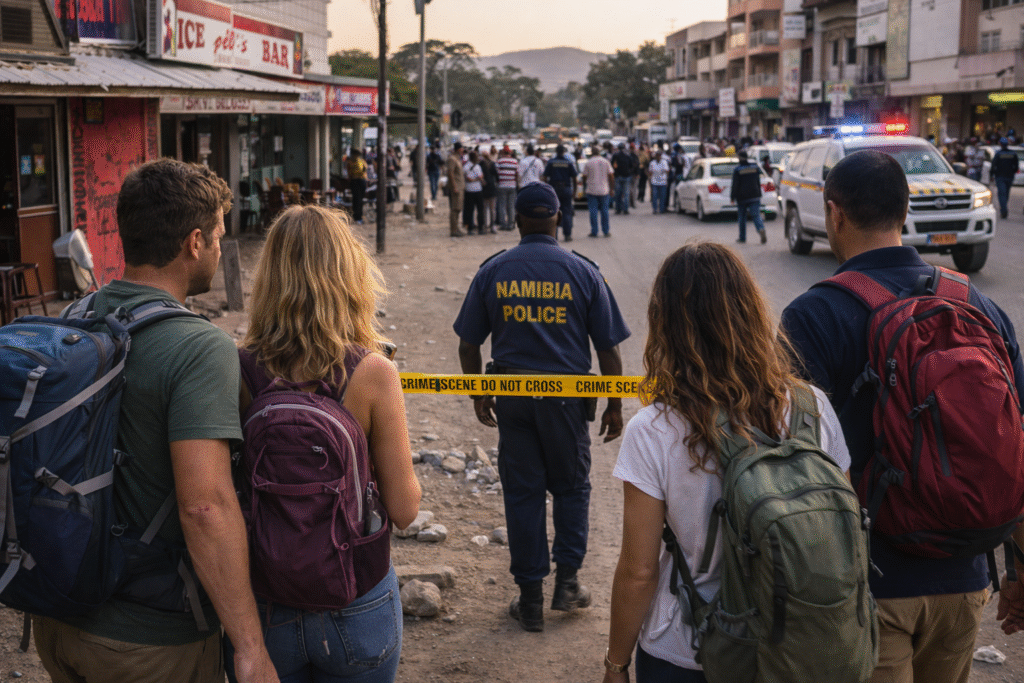
Canada has issued a travel advisory urging citizens to exercise a high level of caution in Namibia. The advisory responds to rising crime and fraud incidents affecting tourists. Officials highlighted concerns that require increased awareness and preparedness.
The warning follows reports of violent crime and financial scams. Authorities noted higher risk levels in urban centers, especially the capital, Windhoek. Travelers now face increased exposure to theft, robbery, and fraud.
The advisory does not discourage travel outright. Instead, it urges visitors to remain vigilant and informed. This guidance arrives as Namibia seeks to expand its tourism economy.
Violent Crime Raises Safety Concerns in Urban Areas
Violent crime presents one of the primary risks highlighted in the advisory. Reports include robbery, carjacking, and residential break-ins. These incidents occur most frequently in major cities.
Windhoek remains the focal point of concern. Tourists face higher risks in busy districts and after dark. Criminals often target individuals who appear unfamiliar with local surroundings.
Travelers should avoid isolated areas and nighttime travel. Group movement and secure transport reduce exposure to risk. Situational awareness remains essential throughout urban visits.
Financial Fraud and Credit Card Scams Target Visitors
Financial crime has emerged as a growing challenge for tourists in Namibia. Authorities report increased incidents of credit card copying at hotels and lodges. Criminals often access card details during routine transactions.
ATM scams also present serious risks. Fraudsters may distract travelers or pose as helpers. These tactics often result in stolen cash or compromised accounts.
Tourists should use ATMs in secure locations. Covering keypads and declining unsolicited assistance helps reduce risk. Travelers should monitor bank statements frequently during and after travel.
Petty Theft Affects Popular Tourist Locations
Petty crime remains common in high-traffic tourist areas. Pickpocketing, bag snatching, and phone theft affect both locals and visitors. These crimes often occur in markets, transport hubs, and city centers.
Tourists should secure valuables at all times. Carrying minimal cash reduces potential losses. Wearing discreet clothing and avoiding visible electronics also helps.
Hotel safes offer additional protection for passports and valuables. Travelers should remain alert in crowded areas. Prevention depends on consistent caution.
Tourism Remains Vital to Namibia’s Economy
Tourism plays a central role in Namibia’s economic strategy. The country attracts visitors with wildlife safaris, desert landscapes, and coastal scenery. Eco-tourism and adventure travel drive strong international interest.
National parks and conservation areas remain key attractions. Namibia has earned global recognition for sustainable tourism practices. Community-based tourism also supports rural development.
Safety concerns now present a critical challenge. Visitor confidence directly affects arrival numbers and spending. Addressing security risks remains essential for long-term growth.
Balancing Tourism Growth With Visitor Safety
Namibia continues to pursue tourism expansion despite current challenges. Authorities aim to attract high-value travelers seeking nature and culture. Safety improvements must support this strategy.
Government agencies continue to invest in tourism promotion. Infrastructure development supports accessibility and comfort. Security improvements must advance alongside these efforts.
A coordinated approach strengthens destination resilience. Collaboration between law enforcement and tourism operators improves response capability. Clear communication with travelers builds trust.
Strengthening Security in Tourist Areas
Enhanced security measures can reduce crime risks for visitors. Increased police visibility in tourist zones deters criminal activity. Well-lit streets and monitored transport hubs improve safety.
Hotels and lodges play a key role. Staff training on fraud prevention protects guests. Secure payment systems reduce financial crime exposure.
Public awareness campaigns can educate travelers. Simple safety guidance empowers visitors to protect themselves. Information distribution at airports and hotels increases effectiveness.
Educating Tourists on Safe Travel Practices
Tourist education supports crime prevention efforts. Travelers who understand local risks make safer decisions. Awareness reduces vulnerability.
Guidance should cover transport safety and financial protection. Tourists should learn how to respond to suspicious situations. Emergency contact knowledge also matters.
Tour operators and guides serve as important information sources. Responsible tourism includes safety communication. Education supports positive travel experiences.
Namibia’s Long-Term Tourism Outlook Remains Positive
Despite current advisories, Namibia retains strong tourism potential. Its landscapes and conservation success remain unmatched in the region. Demand for eco-tourism continues to rise globally.
International travelers seek meaningful and responsible experiences. Namibia aligns well with these preferences. Safety improvements will strengthen market competitiveness.
Government planning continues to prioritize sustainable growth. Tourism development strategies emphasize environmental protection and community benefit. Security enhancements support these goals.
Navigating Safety and Growth in Namibia Tourism
Namibia stands at a critical point in its tourism journey. Crime concerns require direct and sustained action. Addressing risks protects both visitors and national reputation.
Proactive safety measures can restore confidence. Clear communication and visible improvements matter. Travelers respond positively to transparent risk management.
With focused investment and cooperation, Namibia can balance safety and growth. The country remains well-positioned to welcome global travelers. Responsible tourism and secure environments will shape its future success.
For more travel news like this, keep reading Global Travel Wire