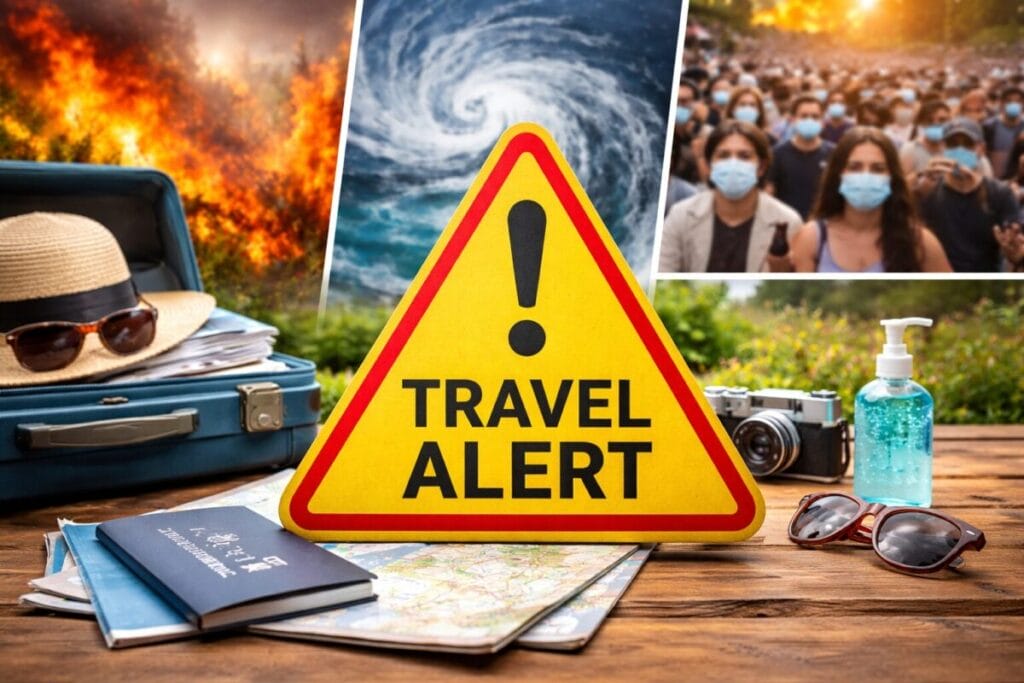
January has been intense for Canadian travelers planning international trips. Severe weather, health concerns, and major crowd events have pushed Global Affairs Canada to update its travel advisories. The alerts reflect rapidly evolving conditions in several destinations popular with Canadian vacationers.
Travel risk levels have shifted for some countries. Others remain open to visitors but with reinforced guidance to stay vigilant. The changes highlight how natural disasters, infrastructure challenges, and major international events continue to shape global tourism.
Rising Risk Levels for Cuba and Regional Disruptions
One of the biggest updates involves Cuba. The government now urges travelers to exercise a high degree of caution before visiting the island. The advisory focuses on increasing electricity and fuel shortages, which have affected hotels and resort areas. Visitors may face reduced services, limited transportation options, and unexpected delays.
These shortages also create challenges for medical facilities, restaurants, and daily operations in tourism hubs. Travelers heading to Cuba during peak winter tourism season are advised to prepare for possible service interruptions and bring essential personal supplies.
Deadly Rains and Fires Impact Zimbabwe and Chile
Canada has also issued warnings for Zimbabwe and Chile as extreme weather conditions disrupt both nations. Zimbabwe is dealing with torrential rainfall that has caused severe flooding and infrastructure losses, prompting advisories against unnecessary travel. Flooding has impacted rural communities, cut road access, and strained emergency services.
In Chile, fast-moving wildfires have created hazardous air conditions and forced regional evacuations. Dry landscapes and high temperatures have fueled the spread of fires, particularly in central regions that draw tourists during the southern summer. Travelers have been advised to monitor local alerts, avoid affected provinces, and adjust itineraries as needed.
These warnings reflect a broader trend in global tourism as extreme climate events continue to influence mobility, safety, and travel planning. Countries that rely on seasonal tourism may face increased volatility in the coming years as weather events become more intense.
Health Alerts for U.S. World Cup Travelers
Canada has also updated health-related travel guidance for visitors heading to the United States for the 2026 FIFA World Cup. The tournament will draw massive crowds over multiple host cities, raising the risk of illness and injury. Large sporting events often place pressure on transportation networks, emergency services, and healthcare facilities. The advisory urges travelers to plan ahead and maintain health-focused habits.
Visitors are encouraged to wash hands frequently, drink safe water, and monitor food safety during their trip. Travelers prone to respiratory illness are advised to consider wearing masks in crowded venues such as stadiums, airports, and fan zones.
Canadian officials also recommend that travelers prepare emergency medical information and check their personal insurance coverage before departure. Many private insurance plans require documentation for hospital care outside Canada, which can help avoid administrative delays during emergencies.
Similar Precautions for Mexico World Cup Visitors
Mexico will also host matches during the World Cup. The advisory for Mexico remains at a low health risk level, yet officials emphasize similar recommendations regarding hygiene and preparation. Mexico has significant tourism infrastructure and experience hosting high-volume international events, but increased crowd density can elevate risks for foodborne and respiratory illness.
Travel health professionals recommend consulting a healthcare provider six weeks before departure to discuss vaccines, pre-existing conditions, and personalized prevention strategies. This guidance applies not only to the World Cup but to other large tourism events anticipated across Mexico through 2026.
Other Ongoing Alerts Remain in Effect
Advisories for the United States and Mexico remain unchanged at a low overall risk level beyond health considerations. However, Canadian officials note that risk conditions can shift quickly during major events. Tourism hotspots such as stadium districts, nightlife corridors, and coastal regions often experience increased rates of accidents, theft, and crowd-related injuries during global sporting events.
Beyond the Americas, the government continues to monitor escalating conditions in multiple regions affected by disruptive climate patterns. Travelers are urged to remain flexible with itineraries and check official guidance before booking trips for spring and summer travel seasons.
A New Era of Travel Risk Awareness
The latest alerts showcase a changing travel landscape. Natural disasters, supply chain disruptions, and major international gatherings are shaping how governments communicate risk. Tourism experts predict that governments will continue to issue faster and more frequent updates as information networks improve and crises become more unpredictable.
Health preparedness is also becoming central to travel planning. Many travelers now factor in vaccine status, insurance policies, and emergency contacts the same way they once considered luggage and hotel bookings.
Conclusion
For Canadians preparing international travel, 2026 is starting with heightened uncertainty. Whether the goal is to enjoy Cuba’s beaches, attend the FIFA World Cup, or explore destinations in Africa or South America, safety awareness remains essential. Canadian officials will continue to monitor conditions and provide updates to help travelers navigate disruptions and make informed decisions abroad.
For more travel news like this, keep reading Global Travel Wire