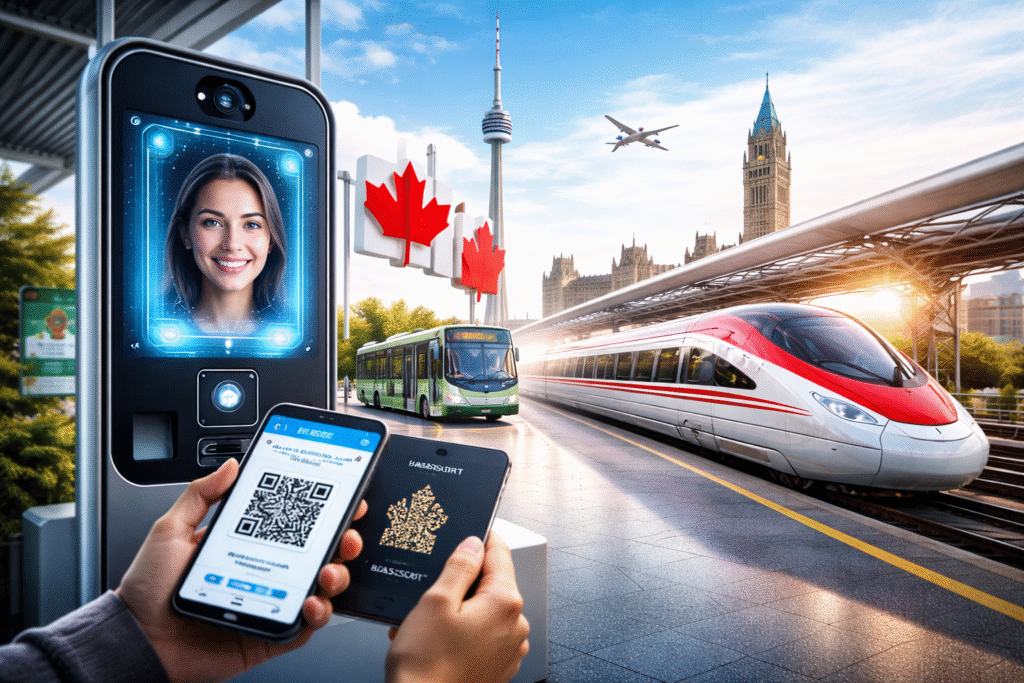
Canada moves into a new phase of tourism modernization in 2026. The country adopts a mix of biometric screening, artificial intelligence, and sustainable transport systems. These tools aim to improve travel efficiency for both domestic and international tourists. The strategy strengthens Canada’s status as a global leader in smart tourism infrastructure. Travelers gain faster movement, improved safety, and more personalized experiences across the country.
The push for modernization aligns with national goals for economic development, climate action, and digital transformation. Tourism holds major value for the Canadian economy, so officials treat travel innovation as an essential investment.
Biometric Borders Improve Airport Efficiency
New biometric border systems now operate in major airports and land crossings across Canada. These systems use facial recognition and secure digital traveler credentials. The technology cuts processing times and reduces lines at customs checkpoints. Travelers upload travel documents before arrival through secure digital platforms. They verify their identity through biometric kiosks rather than manual checks. This upgrade improves accuracy and enhances border security.
Canada’s border modernization strategy also supports trusted traveler programs. Frequent travelers from partner countries receive quicker entry while maintaining strict safety standards. This approach helps visitors spend more time at destinations and less time waiting in terminals.
Digital Identity Changes the Tourism Journey
The rise of digital identity continues to reshape how visitors move through airports and city infrastructure. Travelers now manage boarding passes, customs forms, vaccination records, and visas through secure digital wallets. These digital credentials offer better control over personal data and reduce paperwork. Airports gain smoother throughput and higher traveler satisfaction.
Many countries explore similar models, yet Canada pushes early adoption. Officials highlight digital identity as a foundation for future border systems that support faster movement across international gateways.
AI Travel Tools Personalize Visitor Itineraries
Artificial intelligence plays a major role in Canada’s tourism innovation. AI travel planners recommend restaurants, attractions, and events based on preferences and travel history. Visitors receive real-time notifications about airport delays, weather shifts, and transport disruptions. These tools reduce stress during trips and help visitors create more efficient itineraries.
Canadian tourism boards use AI analytics to monitor visitor patterns. This helps them manage peak demand and avoid overcrowding at major attractions. Regions with slower tourism activity benefit from redistribution efforts that encourage travelers to explore emerging destinations.
Smart Tourism Supports Cultural Discovery
Government agencies integrate technology into museums, heritage sites, and national parks. Smart kiosks and translation tools help international tourists navigate cultural attractions without confusion. Parks Canada develops digital guides that highlight wildlife safety, trail conditions, and environmental rules. This approach protects fragile ecosystems while improving visitor experience.
Cultural hubs such as Toronto, Vancouver, Montreal, and Quebec City invest in multilingual digital systems. These tools support culinary tourism, music festivals, and Indigenous cultural experiences. Tourists gain deeper knowledge while local communities gain stronger economic benefits.
High-Speed Rail Plans Reshape Mobility
Canada also explores high-speed rail technology as part of long-term transport planning. New projects propose high-speed connections between Toronto, Montreal, Ottawa, and Quebec City. Additional studies explore future links in Western Canada. High-speed rail offers cleaner and faster travel between major hubs. Travelers gain an alternative to short-haul flights, which carry heavy carbon impacts.
Private firms test futuristic magnetic propulsion systems that could reach extreme speeds. Government agencies evaluate environmental impacts and regional connectivity benefits. The goal focuses on reducing congestion, boosting tourism mobility, and linking rural communities to major cities.
Sustainable Transport Gains Momentum
Green transport strategies support Canada’s climate goals for 2030 and 2050. Provinces expand electric vehicle charging networks along highways and scenic tourist routes. Cities adopt electric buses and clean-energy ferries to reduce emissions. These upgrades allow tourists to explore major regions without relying on gasoline vehicles.
Eco-friendly tourism gains popularity with younger travelers who value low-carbon options. National parks expand bike programs and shuttle services to reduce private vehicle traffic. Tour operators introduce electric snowmobiles and hybrid tour buses for wilderness excursions.
Smart Destination Management Supports Growth
Smart destination platforms help tourism agencies track visitor flows and guide people toward lesser-known sites. This reduces pressure on hotspots and improves sustainability. Local businesses gain better visibility through integrated tourism platforms that display availability, ratings, and booking options.
Data-driven strategy also strengthens community planning. Cities adjust staffing, transportation, and event schedules based on real-time visitation insights. This improves the overall quality of the tourism ecosystem.
Looking Ahead
Canada sets a strong example for future travel modernization. The blend of biometric borders, AI travel tools, and sustainable transit systems sets the stage for a smoother tourism experience. Travelers can expect faster entry, smarter planning, and greener mobility. Canada positions itself as a forward-thinking tourism leader that embraces innovation while protecting its cultural and natural heritage.