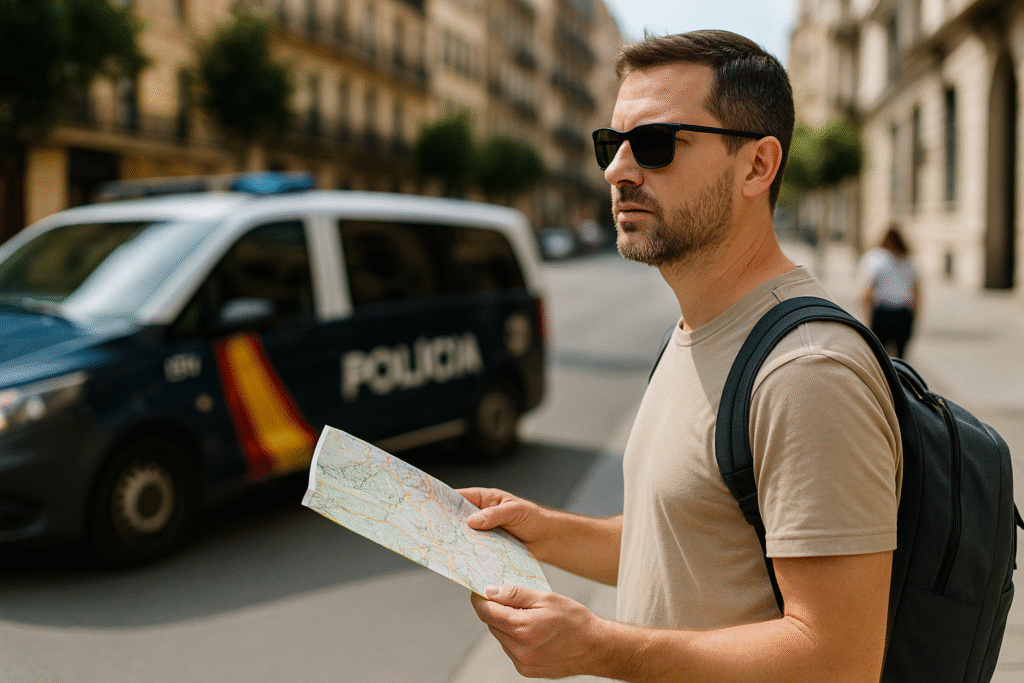
The Canadian government has broadened its global travel advisory list, now including the Central American nation of Costa Rica alongside destinations such as France, the Netherlands, Chile, Spain, the Dominican Republic and Trinidad & Tobago. The updated guidance urges Canadian travellers to exercise a high degree of caution in view of increasing crime, civil-unrest and tighter entry protocols abroad.
What’s Behind the Shift?
In recent months, Canada’s Foreign Affairs department has flagged rising concerns in tourism-heavy locations and urban centres worldwide. In the case of Costa Rica, the advisory points to upticks in petty theft, vehicle break-ins and tourist scams in popular zones such as San José, Jacó, Manuel Antonio and Puerto Viejo. At the same time, regions are facing more violent crimes and fraud incidents targeting visitors.
The revision also reflects the global trend of stricter border-entry systems. In Europe, for example, the Entry/Exit System (EES) now mandates biometric registration for non-EU visitors, a signal that the ease of travel is shifting toward heightened security and regulatory burden.
Costa Rica: Key Safety Concerns for Visitors
Petty Crime & Theft
Tourists in Costa Rica are increasingly advised to stay alert in crowded locations. Pickpocketing, purse snatching and passport theft are especially common in bus terminals, hotel lobbies, restaurants and beaches. Criminals often operate in pairs or groups: one distracts the victim while another takes the item.
Vehicle Break-Ins & Rental Car Risks
Break-ins at parking lots, rental cars and uninsured vehicles have become more frequent. Some criminals employ key‐signal jammers to override auto locks. Visitors are encouraged to ensure manual locking of vehicles, avoid leaving valuables visible and choose secure parking.
Violent Incidents
While most violent crime in Costa Rica is linked to internal gang or drug-related activity, visitors have occasionally been caught in the cross-fire. Areas in provinces such as Alajuela, Limón, Puntarenas and San José have reported armed robberies and assaults—especially at night or in isolated zones.
Fraud & Unregulated Activities
Credit-card skimming, ATM scams and spiked drinks or sub-standard alcohol sales have been reported in tourist hubs. Women travellers are also warned about incidents of harassment or assault near resorts and taxi zones.
Best Practices for Safe Travel in Costa Rica
- Keep travel documents and valuables out of sight; carry photocopies separately from originals.
- Avoid walking alone after dark, especially on deserted beaches or in poorly lit areas.
- Choose accommodations with strong security (24-hour reception, surveillance).
- Use ATMs inside banks or trusted hotels; avoid street machines late at night.
- Register with your home country’s traveller-registration service so you can receive updates and assistance.
- Stay informed of local weather and natural-disaster warnings (Costa Rica is prone to volcanoes, floods and rip tides).
- Avoid engaging with unverified tour operators, and always check credentials for water-sports or mountain excursions.
Global Entry Systems & Changing Visa Regimes
Beyond crime risks, the travel advisory draws attention to evolving entry and visa screening systems in many regions. For example, the Schengen area now has the EES system that records biometrics (fingerprints, facial scans) of non-EU visitors and tracks days-spent. These developments signal that travellers must plan better, carry all required documents, and allow for extra time at borders.
Although Costa Rica remains non-Schengen and different entry rules apply, the broader message is clear: travel today demands more vigilance—from both the destination and the visitor.
Why This Matters for Canadian Travellers
Canada’s advisory revision does not signal a ban on visiting Costa Rica—it means heightened awareness is needed. Given that thousands of Canadians travel to Costa Rica annually, the advisory shift could influence planning decisions, insurance coverage, and tour-operator practices. For the tourism industry, perception of risk weighs heavily on visitor numbers and destination reputation.
Final Word
Costa Rica is still celebrated for its biodiversity, rainforest, volcanoes and “pura vida” lifestyle. But the latest travel guidance reminds would-be visitors that even idyllic destinations are not immunity to crime or regulatory shifts. In the real world of travel today, your own awareness, choice of accommodation and travel habits are as important as the passport you carry.
For more travel news like this, keep reading Global Travel Wire